
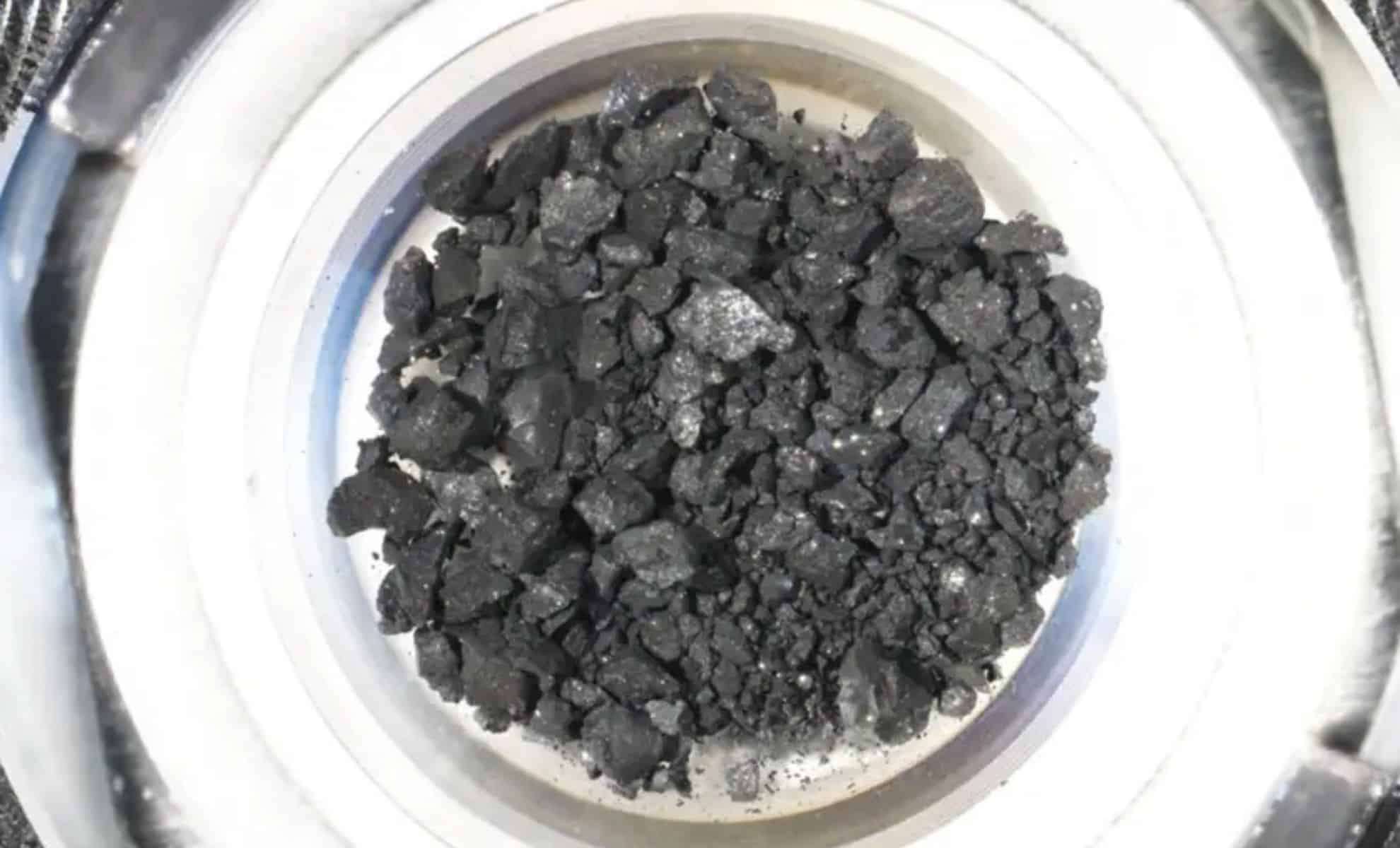
Experts are investigating how asteroid matter could be transformed into nourishment for astronauts on extended space missions. Researchers at Western University’s Institute for Earth and Space Exploration suggest that specific bacteria might metabolize asteroid compounds, generating edible biomass to sustain crews on deep-space voyages. This innovative approach, at a preliminary stage, aims to solve the critical issue of food supply on missions stretching to Mars and beyond.
Reimagining Nutrition for Deep Space Travel
Providing sufficient sustenance for astronauts during prolonged missions remains a fundamental challenge. Reliance on Earth-supplied provisions or onboard crop cultivation presents obstacles, especially for journeys lasting several years. Transporting enough food is impractical, so the research team is exploring bacterial conversion of asteroid resources into consumable nutrients.
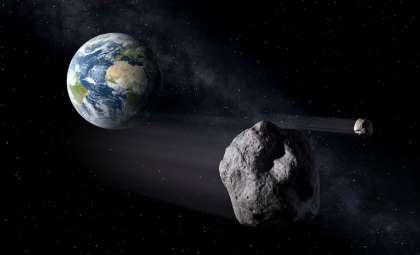
Scientists from Western University have examined carbon-rich asteroids, such as Bennu, for their ability to support microbial life. In lab experiments, they introduced simulated asteroid material as a food source for microbes. The bacteria thrived, producing an edible biomass described by researchers as resembling a “caramel milkshake.” Although unconventional in appearance, this biomass contains a balanced nutrient makeup: approximately one-third protein, one-third carbohydrates, and one-third fats, making it suitable for human diets.

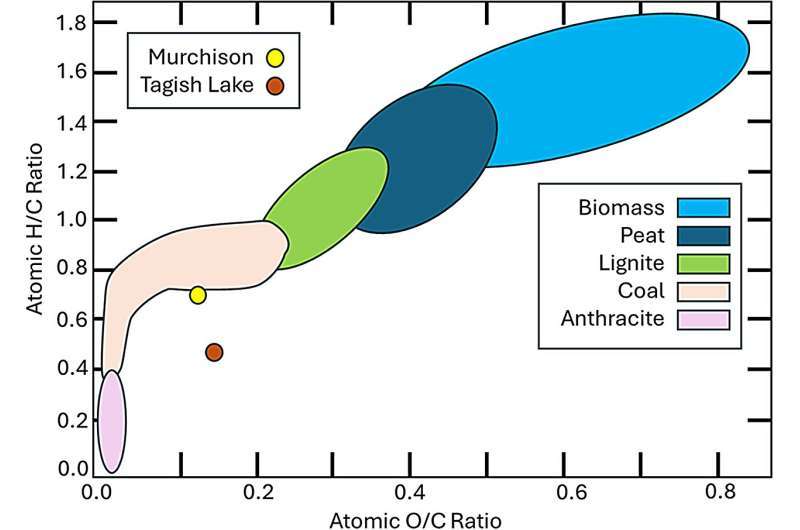
Lead scientist Joshua Pearce noted, “When analyzing pyrolysis byproducts that bacteria consume and comparing them to asteroid composition, there’s a strong correlation.” This suggests asteroid materials could be a renewable nutritional source for space crews. The team experimented with converting the biomass into dry powders and creamy yogurts, adding texture options that could improve food variety and mental well-being during lengthy missions.
Exploring the Viability and Obstacles of Asteroid-Derived Food
While turning asteroid rock into food sounds like science fiction, early research is promising. Calculations indicate a 500-meter asteroid like Bennu could yield enough biomass to nourish between 600 and 17,000 crew members over a year. The variability is tied to bacterial efficiency in processing asteroid carbon into digestible forms. If perfected, this method could reduce cargo food demands, enabling sustainable space exploration of the Moon, Mars, and deep space.
Yet, significant challenges remain. Asteroid composition varies widely; some lack sufficient carbon-building blocks for bacteria, threatening consistent food production. Additionally, converting rock into nourishment would require sophisticated industrial-scale equipment in orbit. Pearce emphasized the need for a “super machine” to crush asteroid material and manage bacterial cultivation at scale.
Testing with authentic asteroid specimens is also difficult. The team plans to use meteorites—Earth-fallen fragments sharing asteroid-like makeup—but noted the high costs and the destructive nature of experiments pose challenges. Pearce commented, “Destroying precious meteorites isn’t popular with collectors.” Despite hurdles, optimism remains for refining this technology into viable space food production.
Looking Ahead: The Future of Space Food Technology
The concept of generating food from asteroid compounds is nascent but represents a revolutionary approach to a fundamental problem in space travel. Researchers are optimizing the bacterial process and aiming to work with real meteorite materials soon. Scaling up to industrial levels would enable processing large asteroid amounts into nourishment, greatly easing logistics on prolonged missions to Mars and beyond.
Success in this field could transform space habitation by reducing dependence on resupply missions from Earth and extending mission durations. Annemiek Waajen from Free University Amsterdam remarked, “The potential is significant but remains futuristic and exploratory. Technological advances are crucial before these ideas can be applied practically.” This perspective underscores both the excitement and the technical challenges facing asteroid-based nutrition development.
Moreover, harvesting food from asteroid material might shed light on Earth’s early biology. Studies have indicated that ancient microbes possibly fed on meteorites that fell to Earth, aiding early life’s growth. Similarly, microbes grown in space on asteroid substances could pave the way for producing biomass where traditional farming is impossible.
- Categories:
- Astronomy ,
- News ,
- Science ,
- Space







0 comments
Sign in to Comment