
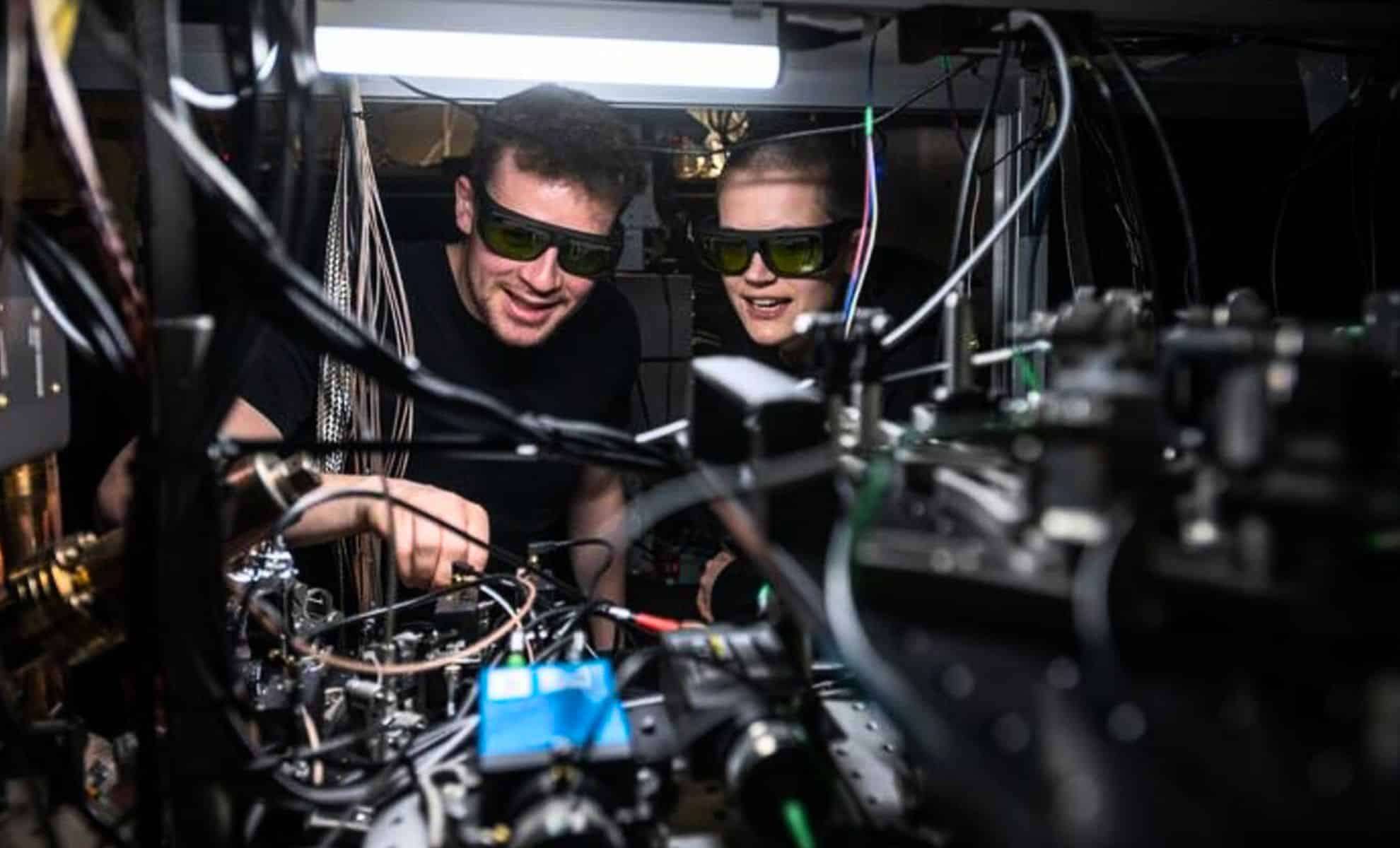
Quantum computing has reached a significant milestone thanks to a team at the University of Oxford who successfully demonstrated quantum teleportation of logical gates. This achievement addresses a critical obstacle in the quest for scalable quantum machines and could accelerate the transition of quantum devices from experimental prototypes to transformative technologies.
Advancing Towards Scalable Quantum Systems
Quantum computing has long captivated scientists with its potential to revolutionize processing power, promising speeds beyond the capabilities of classical supercomputers. Unlike conventional computers that rely on bits as 0s or 1s, quantum machines use quantum bits (qubits) capable of existing in multiple states at once due to superposition. This characteristic enables quantum devices to tackle complex challenges more efficiently than their classical counterparts.
However, building scalable architectures remains a formidable barrier. While standalone quantum processors exist, establishing connections between multiple units while preserving quantum coherence has been a daunting challenge. Oxford’s latest research indicates that quantum teleportation offers a promising solution.

Revolutionizing Quantum Connectivity Through Teleportation
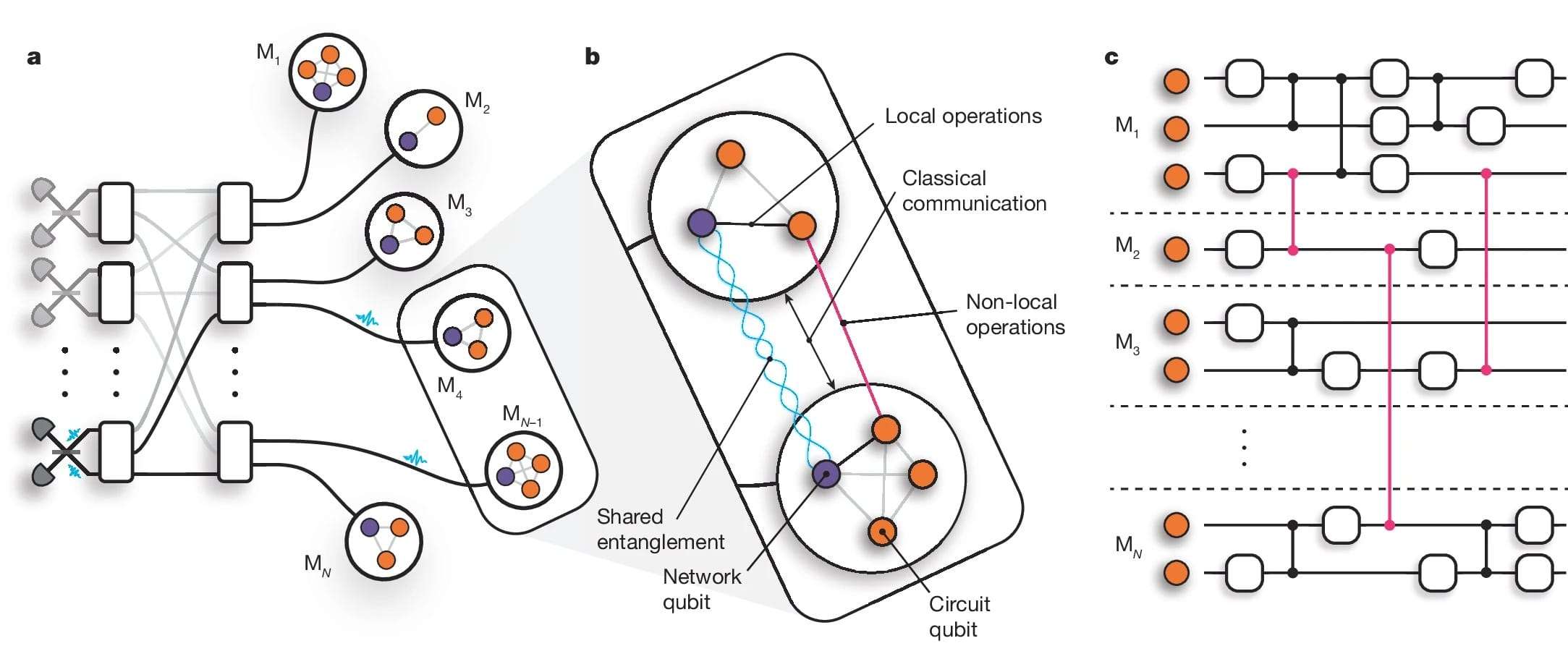
Although quantum teleportation itself has been proven previously, this marks the inaugural use of teleportation to transfer logical quantum gates, which are essential for quantum computations, between distinct processors. This process is akin to networking multiple classical computers, except here information is transmitted without the physical transfer of qubits.
The team engineered precise interactions among quantum systems allowing them to implement quantum logic operations remotely across a network. This effectively means that discrete quantum processors can be integrated into a unified, fully linked quantum computer—a goal that was once deemed extremely challenging.
"This development permits us to seamlessly ‘connect’ individual quantum processors into a single, fully interconnected quantum computing system," explained Dougal Main, lead physicist at Oxford.
Building the Foundation for a Quantum Communication Network
Extending beyond computing, this teleportation strategy could underpin the development of a highly secure quantum internet. Utilizing quantum entanglement principles, such a network would offer unprecedented protection against cyber intrusions. Around the globe, governments, enterprises, and academic institutions are pushing this frontier to revolutionize confidential communications, enhanced sensing, and distributed processing.
"Our results confirm that networked quantum information processing is practicable with current technologies," remarked Professor David Lucas, a key participant in the project.
Despite remaining technical challenges, the success achieved by Oxford’s team signals that the era of scalable quantum computing is drawing near—not a matter of possibility, but of timing.
Quantum Technology Poised to Transform Industries
Published in Nature, the study titled “Distributed quantum computing across an optical network link” represents a crucial advancement towards making quantum computers practical tools capable of reshaping a wide array of fields.
In an environment where corporations, startups, and governments compete to realize quantum breakthroughs, Oxford’s discovery may well become the pivotal moment that accelerates the quantum computing revolution.
- Categories:
- Science












0 comments
Sign in to Comment