
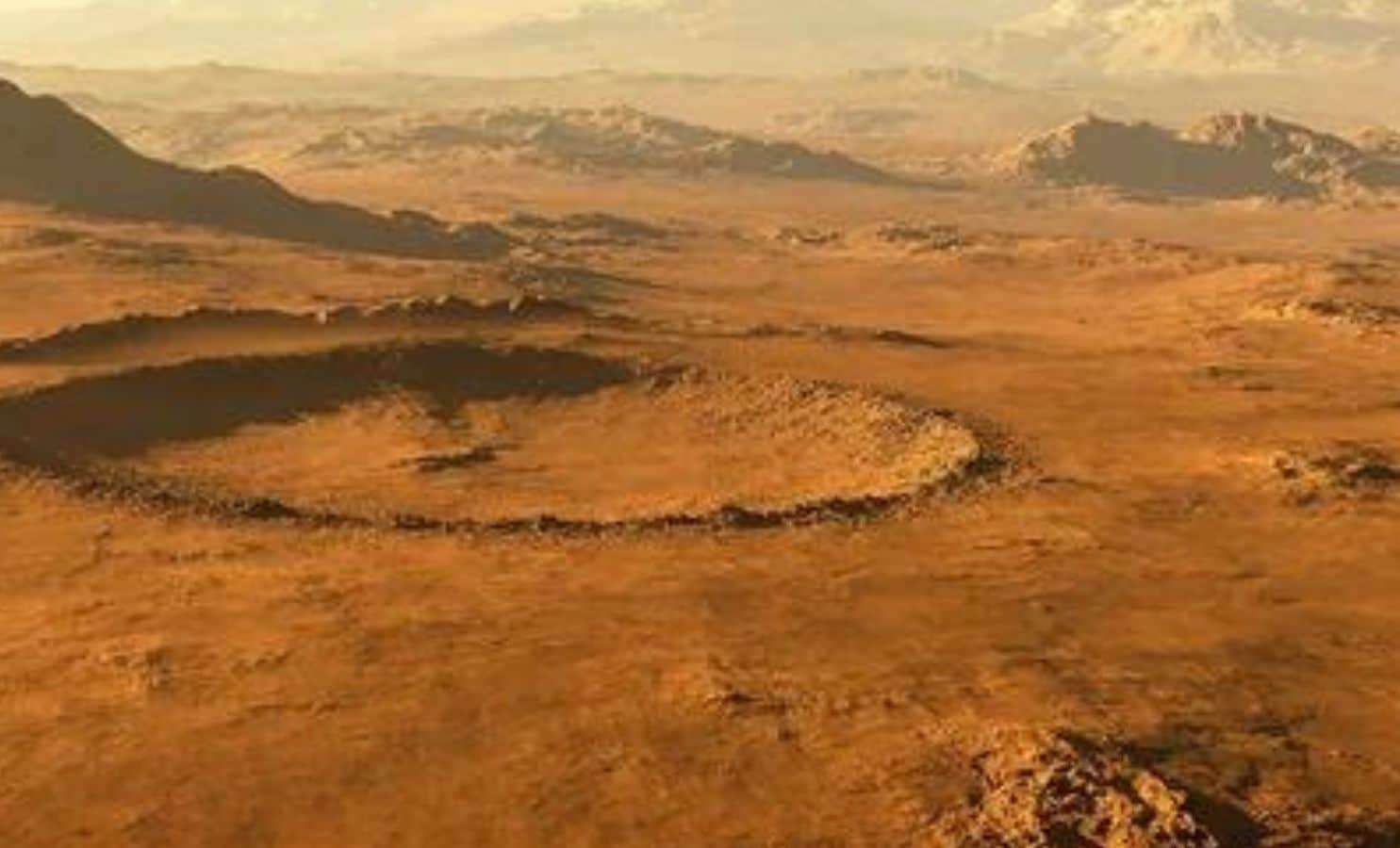
A groundbreaking study has linked 200 Martian meteorites found on Earth to just five impact sites within Mars’ volcanic provinces of Tharsis and Elysium.
This investigation offers fresh insights into Mars’ violent past, revealing how giant ancient impacts propelled Martian rock into space, eventually making their way to our planet. Tracing these meteorites to distinct craters is transforming the way scientists interpret Martian geology and volcanic activity.
The Journey of Martian Meteorites to Earth
Mars has experienced numerous collisions with asteroids and comets, creating powerful impacts that launched fragments into space. Debris from around 10 significant impact events was able to break free from Mars’ gravity and orbit the Sun.

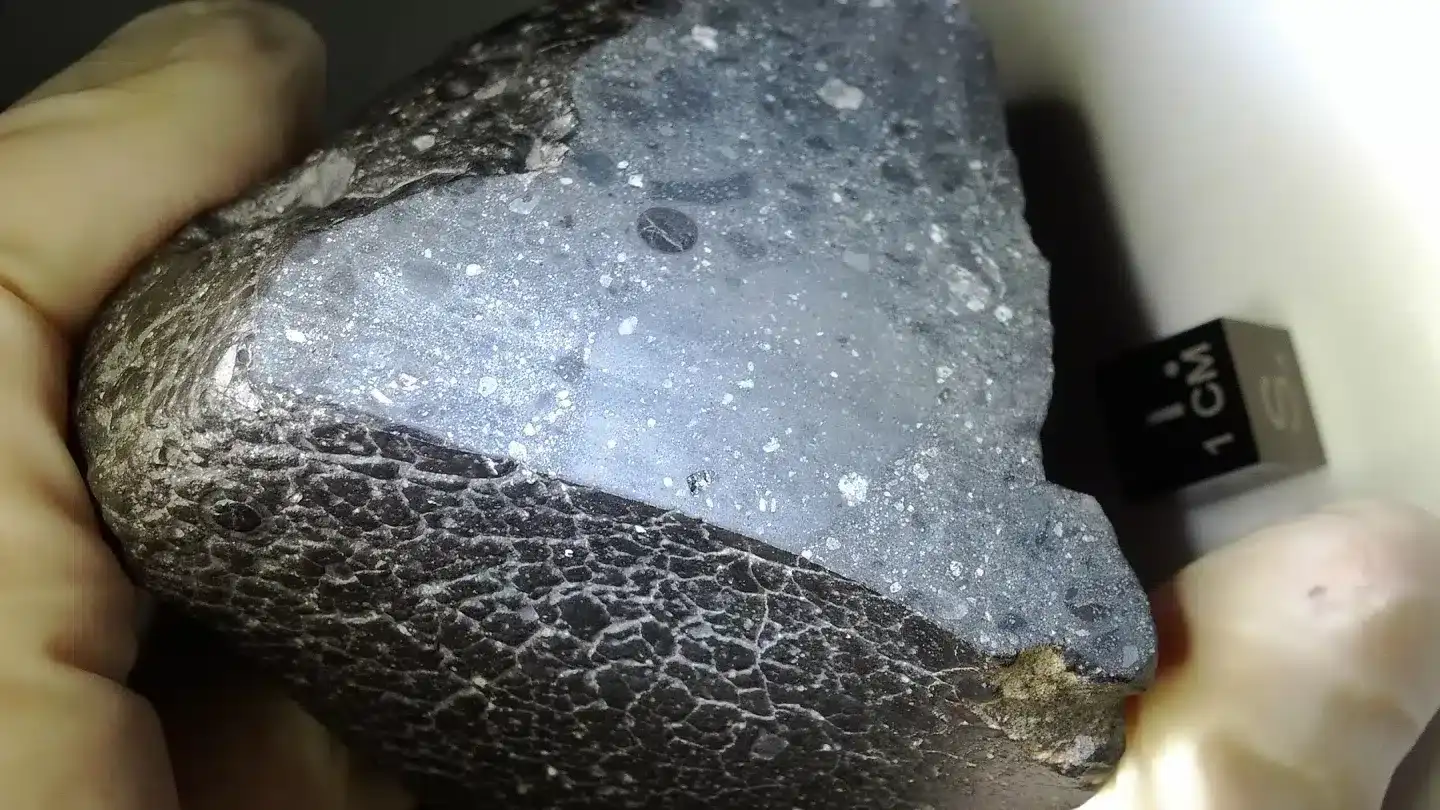
Over time, some of these fragments traveled through space and collided with Earth, where they have been recovered as meteorites. These samples provide invaluable clues to Mars’ geological past and have become essential to scientists exploring the Red Planet’s secrets.
Led by Chris Herd, the curator of the University of Alberta’s meteorite collection, the research team established that a significant number of these meteorites can be traced back to five specific craters. Using cutting-edge modeling combined with remote sensing observations, they reconstructed the impact conditions and pinpointed where these meteoritic fragments originated. Herd explained, “We can now categorize these meteorites based on their shared formation history and their exact ejection sites on Mars.”
These meteorites predominantly hail from Mars’ volcanic zones of Tharsis and Elysium, home to enormous volcanoes like Olympus Mons, the tallest known volcano in the Solar System, towering nearly 13.6 miles high. Establishing the origins of these stones enhances our understanding of Mars’ volcanic and impact-driven evolution.
The Impact of Tharsis and Elysium on Martian Cratering
The Tharsis and Elysium volcanic regions have attracted significant scientific interest due to their distinctive geological landscapes, featuring expansive lava fields and some of the Solar System’s largest volcanic edifices. Evidence indicates these sites ejected meteorites during intense volcanic and impact phases, primarily across the Amazonian era, which began roughly 3 billion years ago.
Identifying precise ejection craters was previously difficult. Traditional techniques such as spectral analysis comparing meteorite compositions to Martian surface features are hindered by dust coverage and terrain variations, especially in younger volcanic areas like Tharsis and Elysium. However, the application of high-resolution impact simulations by Herd’s team overcame these obstacles. Herd emphasized, “Modeling the ejection mechanics is a game-changer,” allowing the team to match meteorites to exact impact sites and estimate crater dimensions and depths.
Unraveling Mars’ Geological Past
Linking meteorites directly to their originating craters enables scientists to more accurately reconstruct Mars’ timeline, leading to improved comprehension of its geological evolution. Herd remarked, “This fundamentally changes how Martian meteorites are studied.” Knowing their source locations facilitates deeper analysis of volcanic and impact events, revealing information about the timing, scale, and characteristics of these geological phenomena. This approach sheds light on the conditions under which specific Martian rocks formed and were launched into space.
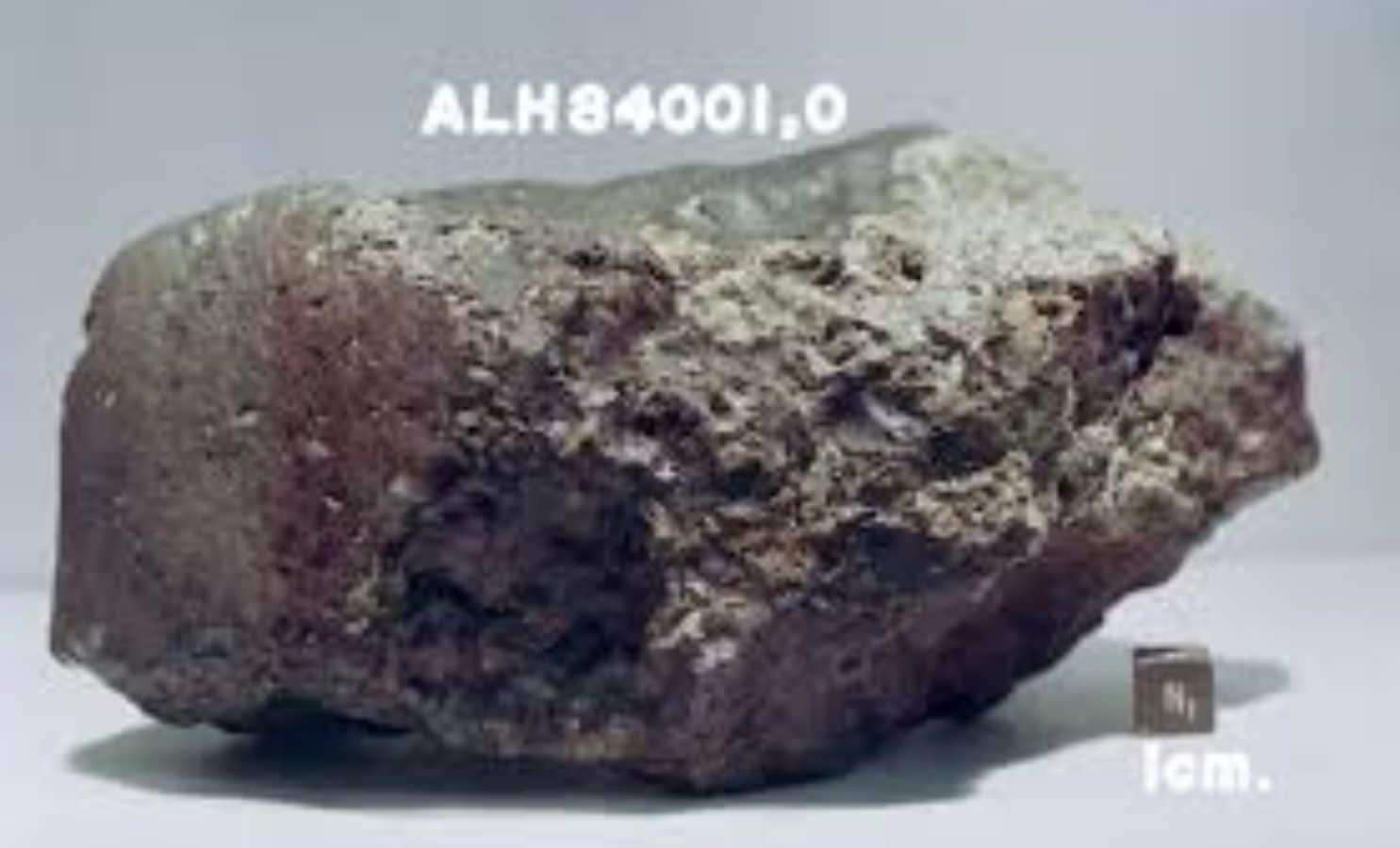
For instance, one meteorite discovered in Antarctica, called Allan Hills 84001, has been traced back to Mars’ Valles Marineris region. This rock crystallized from magma over 4 billion years ago, during an era when liquid water existed on Mars. Identifying its origin enriches our understanding of early Martian environmental conditions and geological processes.
The study also offers new perspectives on various sources of Martian magma and enhances knowledge of crater formation rates during periods marked by reduced meteorite impacts but ongoing volcanic activity, particularly in the Amazonian period. With clearer identification of origin craters, planetary scientists gain sharper insights into Mars’ geological forces during these times.
Advancing Research on Martian Meteorites
This breakthrough represents a significant advancement in planetary geology and opens fresh pathways for forthcoming investigations. Tracing Martian meteorites back to their sources provides an invaluable method for studying the planet’s history remotely, without needing to land spacecraft. Herd expressed enthusiasm: “It’s almost like visiting Mars and collecting rocks firsthand.”
As more meteorites are uncovered and examined, researchers expect to refine their understanding of Mars’ geological evolution, mapping out the processes that have sculpted the planet over billions of years. This knowledge will also help prioritize target zones for future exploration missions, including potential human-led expeditions.
- Categories:
- Astronomy ,
- Science ,
- Space ,
- Nasa




0 comments
Sign in to Comment