
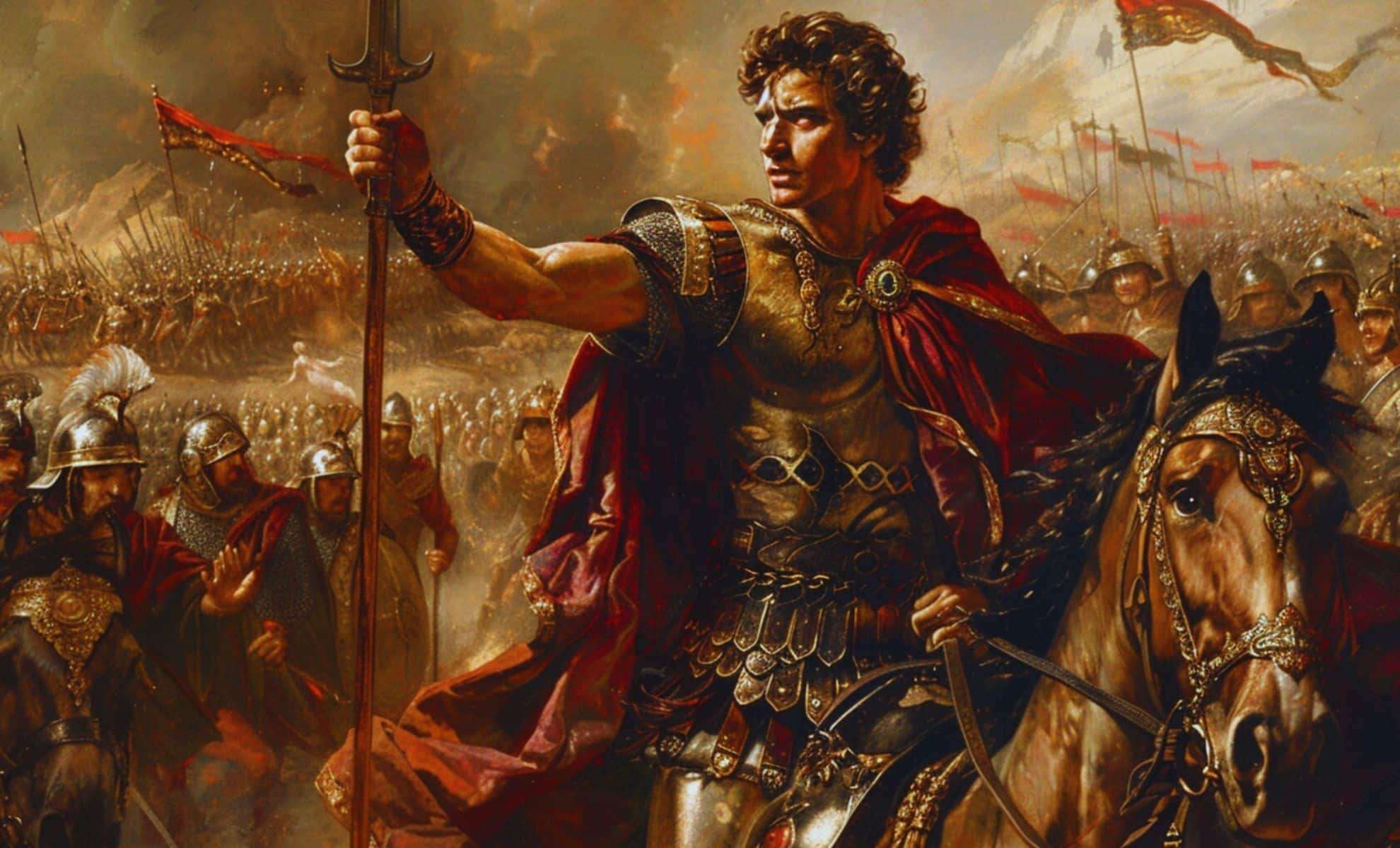
In a remarkable breakthrough, Turkish historians have announced the pinpointing of the precise battlefield where Alexander the Great secured his inaugural triumph at the Battle of the Granicus. This critical clash in 334 B.C. marked the beginning of Alexander’s ascent to legendary status as a conqueror.
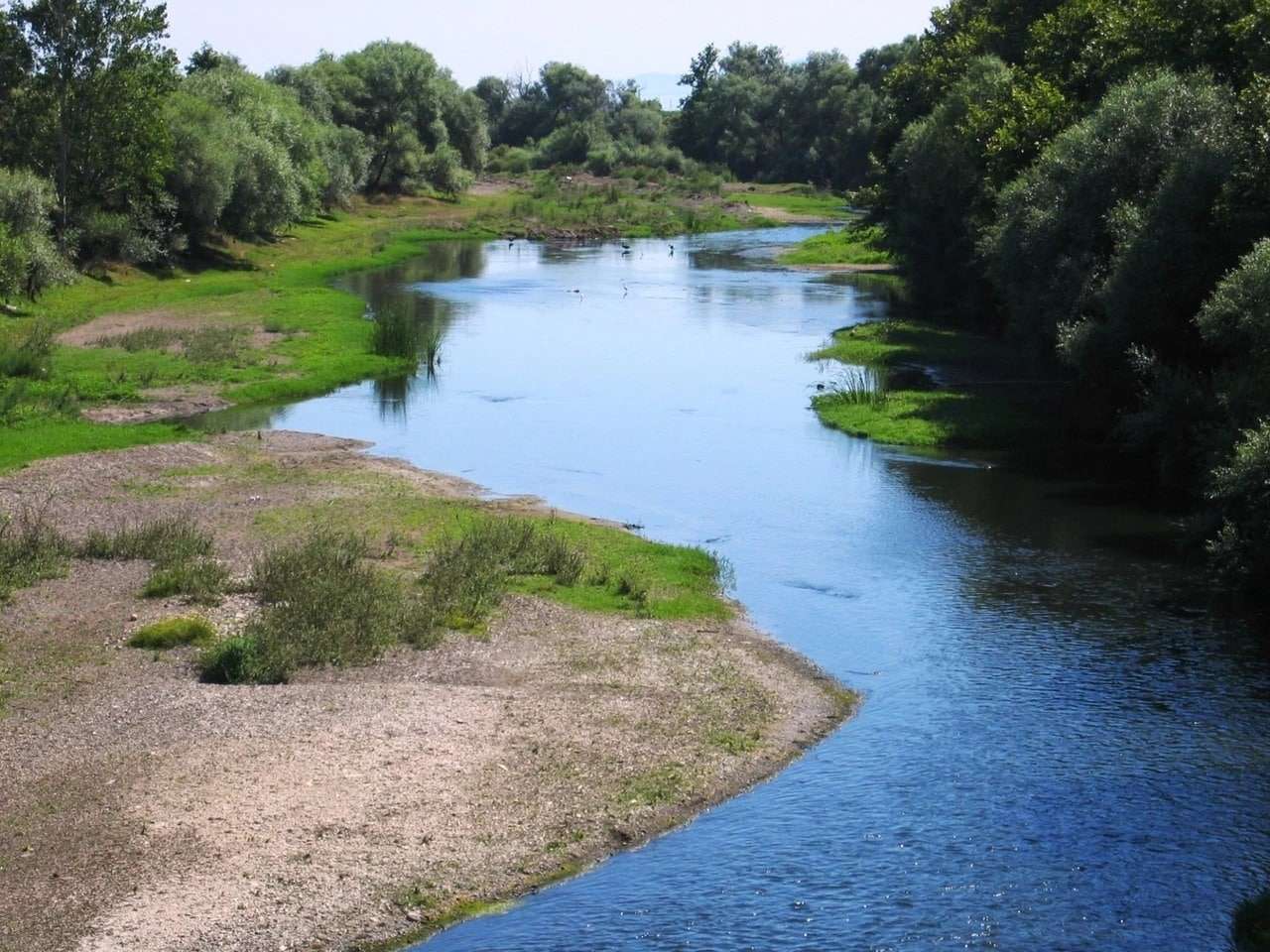
The battlefield is now identified in the Biga Plain, near the Granicus River in the northwest region of Turkey, close to the present-day town of Biga. This discovery resolves long-standing ambiguities by integrating ancient texts with geomorphological studies and significant archaeological finds.
Blending Historical Records with Scientific Techniques to Locate the Granicus Field
Previous attempts to locate the battlefield were hampered by vague historical descriptions mentioning marshy lands and a strategically important hill. These features could not be definitively identified until now.

Led by Professor Revhan Körpe from Canakkale Onsekiz Mart University, the research team employed geomorphological reconstructions to recreate the ancient landscape from the 4th century B.C. Their work revealed a hill positioned east of ancient marshes, matching details found in classical battle accounts.
The study also mapped the size and position of marshes relative to extensive plains suitable for large-scale combat, enabling a far more precise location of the historic battlefield than previously possible.
Archaeological Finds Corroborate Battlefield Identification
Supporting the geographical conclusions, local archaeological efforts uncovered weapon-laden graves consistent with historical reports of Macedonian burial customs ordered by Alexander after the battle.
In 2024, an unmarked adult male grave, containing remnants of damaged weaponry, was excavated on the identified hill. Scholars suggest this could be the burial site of one of Alexander's soldiers, given the burial style matches descriptions from ancient chronicles.
Discovery of Ancient Hermaion Sheds Light on Alexander’s Route
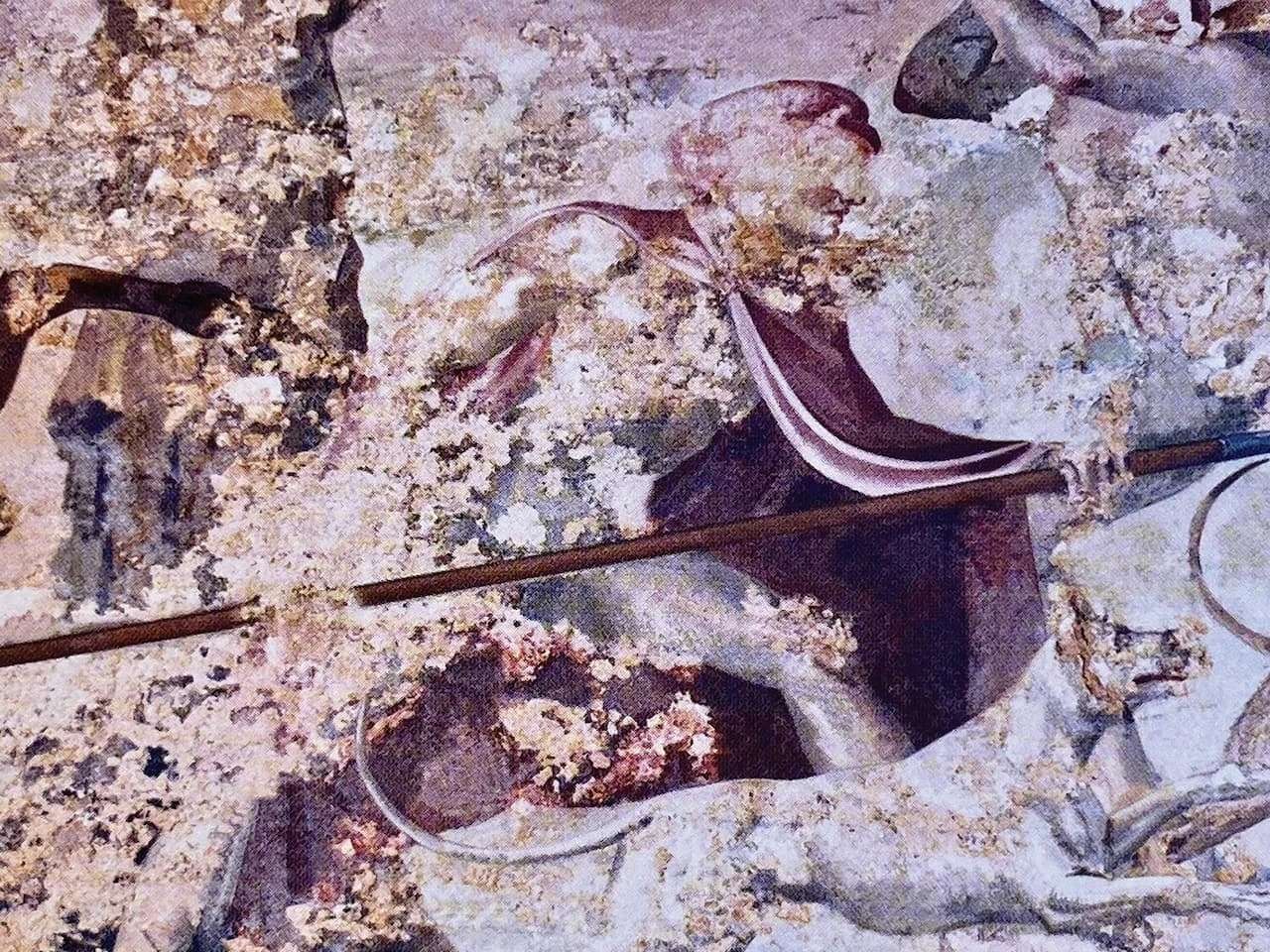
Another key discovery was the excavation of the ancient city Hermaion, referenced in classical texts as a critical waypoint. Unearthed in 2024, this site is believed to have been Alexander’s last stop before engaging Persian forces.
The city’s location enabled researchers to trace Alexander’s path from Ozbek village through Umurbey and Lapseki, concluding on the Biga Plain. This alignment corresponds closely with descriptions from historical texts, confirming the battlefield’s position adjacent to the Granicus River.
How the Granicus Engagement Shaped Alexander’s Legacy
The Battle of the Granicus proved pivotal beyond being a mere tactical victory—it marked the moment Alexander etched his name into history. Commanding an army of about 40,000, the 20-year-old king confronted a carefully arranged Persian defense along the riverbank.
In a bold assault, Alexander personally led a cavalry charge across the river that shattered Persian resistance. Ancient stories recount how he narrowly escaped death, saved only by his loyal bodyguard. The triumph showcased his strategic skill and fierce determination.
This foundational victory set the stage for subsequent decisive battles at Issus and Gaugamela, which eventually toppled the Persian Empire and enabled Alexander’s expansion into Asia.
- Categories:
- Science









0 comments
Sign in to Comment