
The Martian surface continues to captivate scientists and explorers with its rich and mysterious terrain.
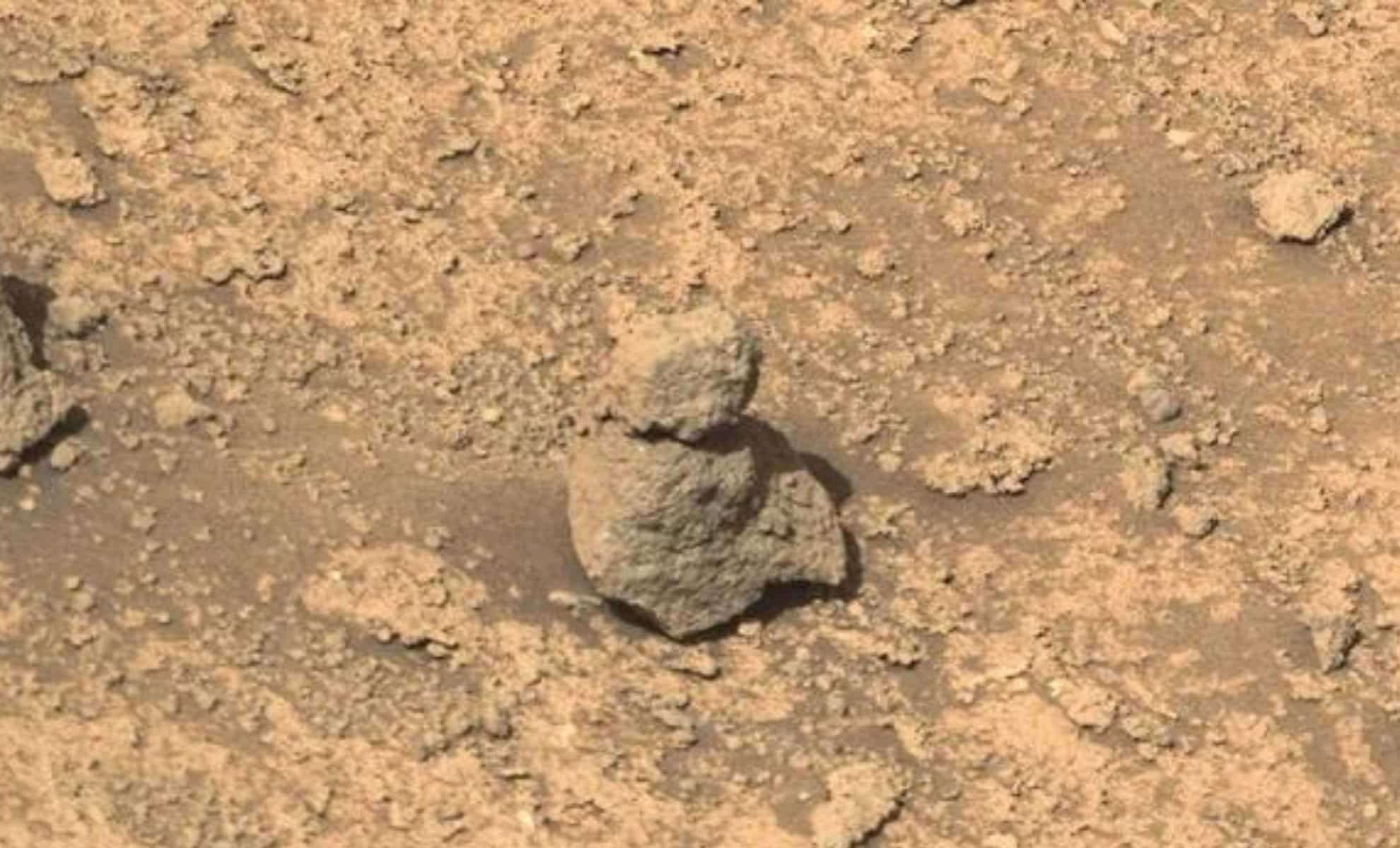
From massive volcanoes and extensive canyons to frozen polar regions, Mars presents an extraordinary geological environment that NASA’s Perseverance rover is systematically investigating. Recently, the rover captured an intriguing feature—a rock formation that strikingly mirrors the shape of a snowman.
Discovery of the Snowman Rock Structure
On July 13, 2024, during the 1208th Martian day (Sol 1208) of its operation, Perseverance snapped a photo of a natural stack of rocks that looks surprisingly like a snowman. The image was taken using the rover’s Right Mastcam-Z camera, revealing three stones layered in a way that closely resembles the familiar humanlike figure made from snow on Earth.

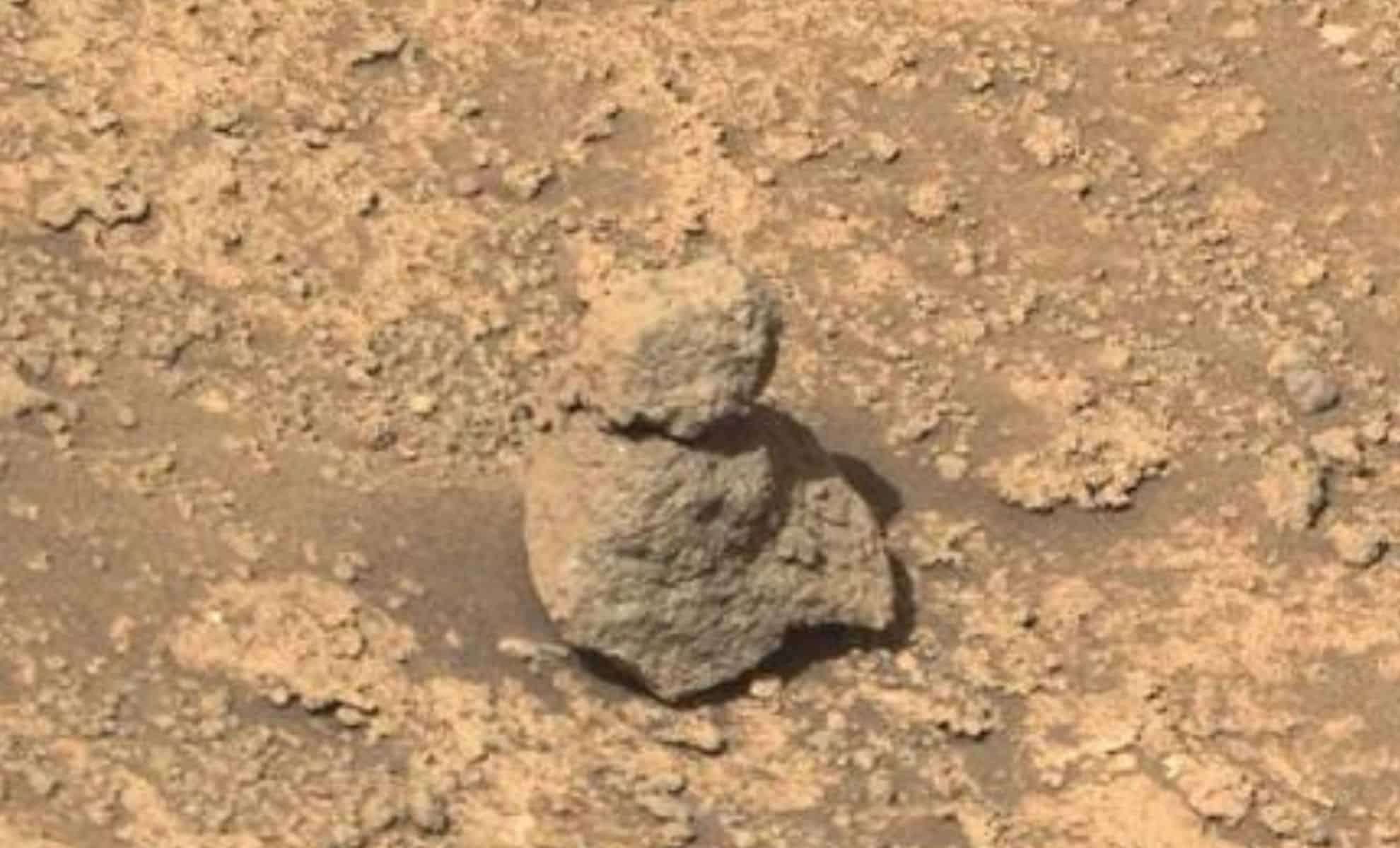
This intriguing formation was discovered during Perseverance’s routine explorations in the Jezero Crater region. The photo quickly caught public interest by showcasing an unexpectedly playful feature of Martian geology.
The three rocks appear stacked similarly to a classic snowman, with defined sections resembling the head, torso, and base. While it may look whimsical, this arrangement provides scientists with meaningful information regarding Martian erosive and depositional dynamics. The careful balance indicates natural processes sculpting and positioning these stones over time, revealing insights about prevailing winds and environmental conditions.
Understanding Mars’ Geological and Weather Dynamics
This snowman-like formation, despite its fun appearance, offers valuable clues about Martian geological activity. Although Mars’ atmosphere is tenuous, it can support phenomena like dust storms and occasionally snowfall under certain circumstances. However, crafting a snowman with actual snow on Mars today remains highly unlikely given the thin atmosphere. Past evidence from NASA’s MAVEN mission suggests Mars once had a denser atmosphere, capable of sustaining liquid water and more Earth-like weather, possibly including more frequent snow events.
The rock pile itself results from aeolian (wind-driven) processes, which erode and shape Martian rocks into various forms. The stacked appearance likely arises from natural cementing followed by gradual erosion, creating an illusion reminiscent of a snowman. Such findings expand our understanding of the diverse geological formations on Mars—ranging from sediment deposits to volcanic stone—each revealing layers of the planet’s evolving history.
Discoveries like this assist researchers in piecing together the forces shaping Mars. Wind erosion plays a dominant role in carving the landscape. This snowman-shaped rock hints at persistent, strong winds that can shift and arrange stones over long periods. Analyzing these structures helps scientists probe past Martian climates and decipher historical wind patterns.
- Categories:
- Astronomy ,
- News ,
- Space ,
- Nasa ,
- Aircraft









0 comments
Sign in to Comment