
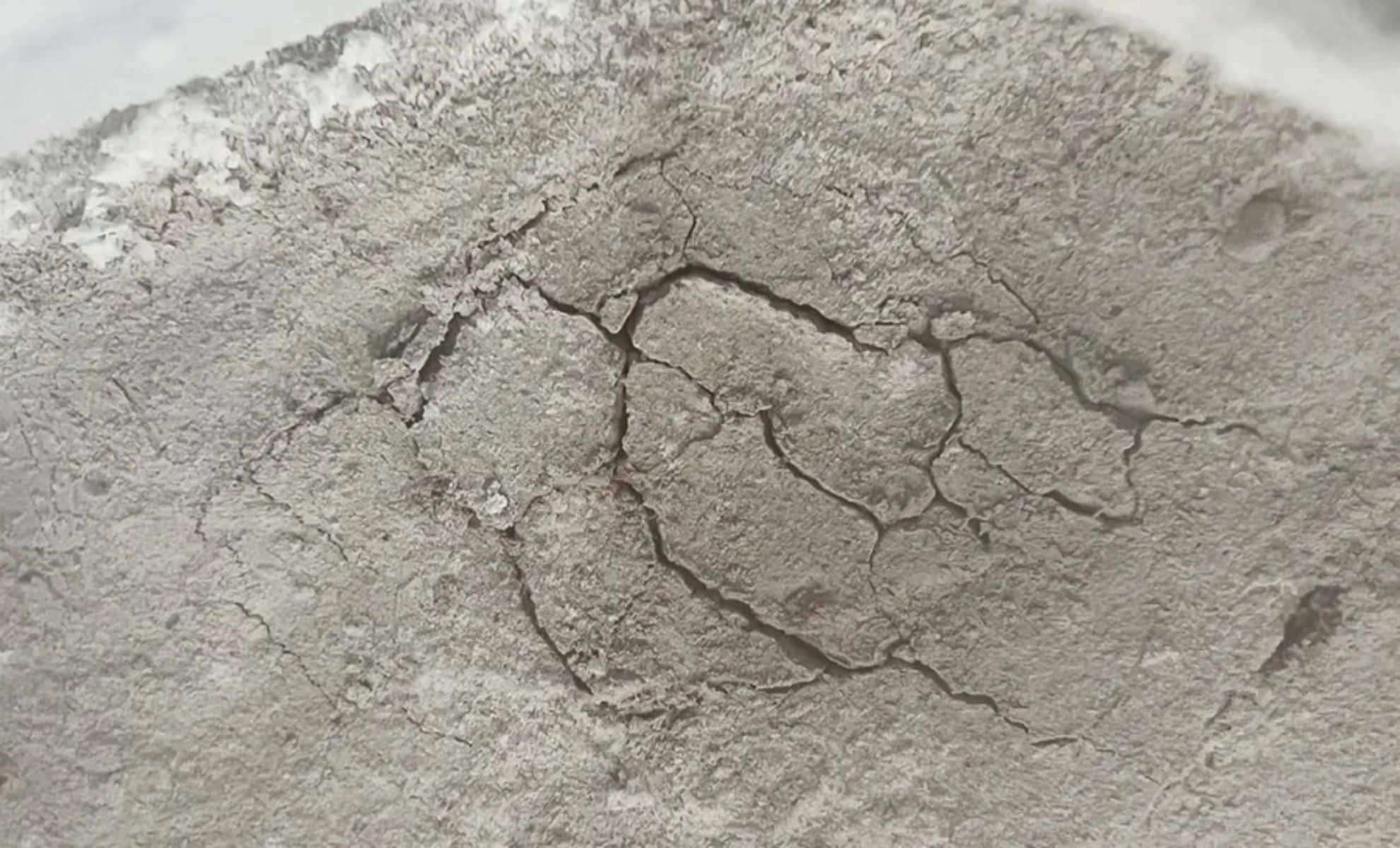
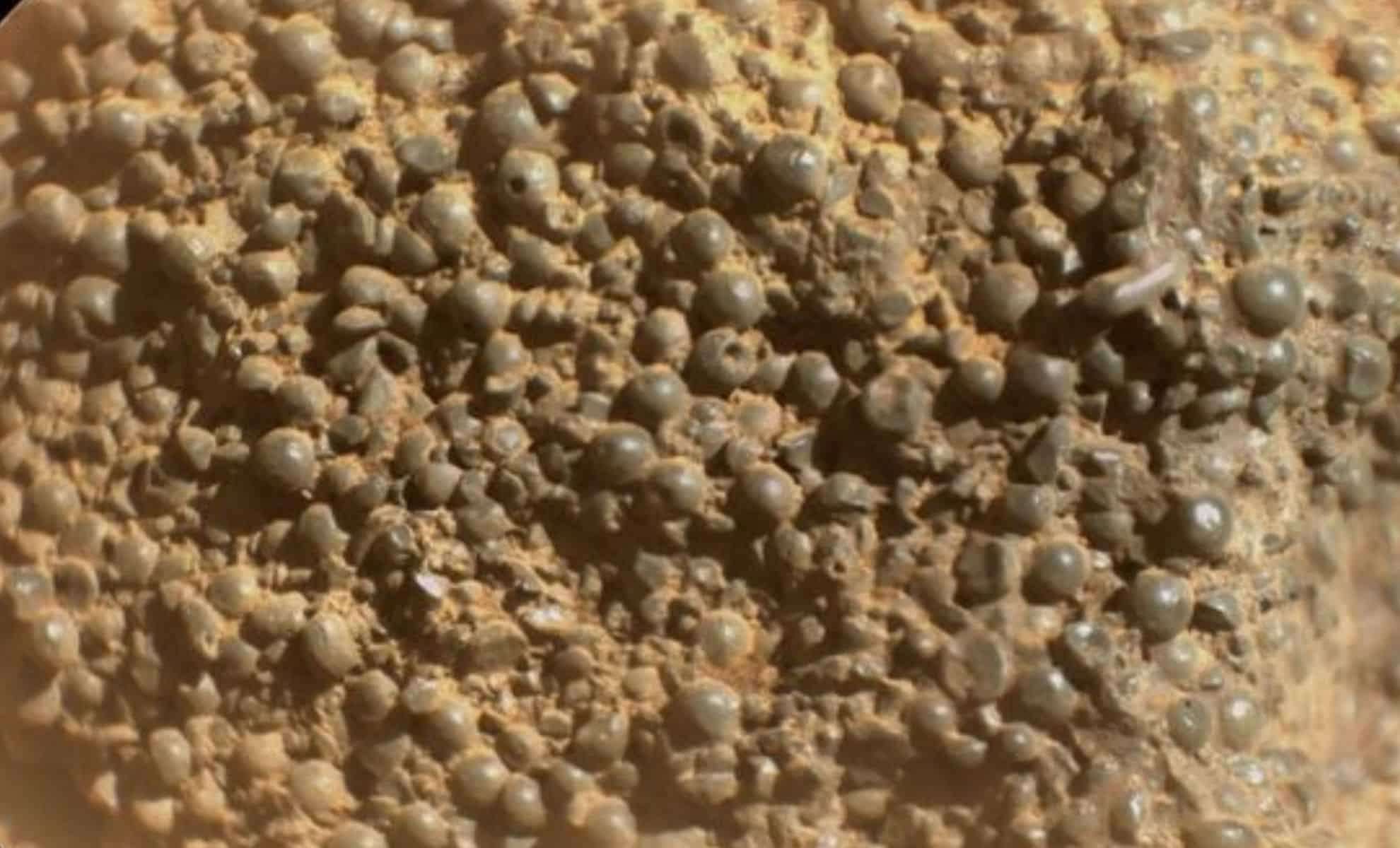
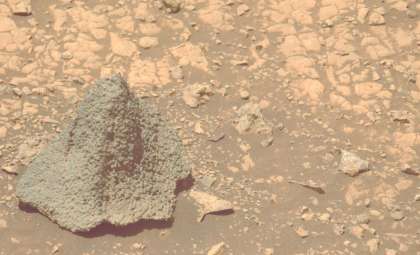
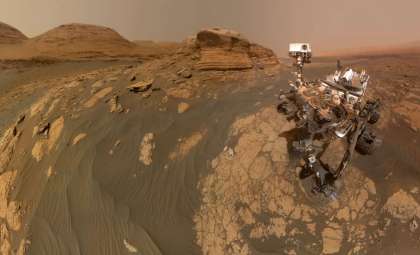
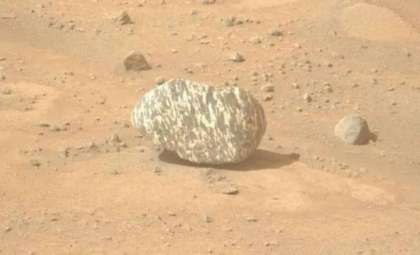
NASA’s Perseverance rover has identified an intriguing “float rock” on Mars, dubbed “St. Pauls Bay,” that bears a striking resemblance to a cluster of spider eggs. Positioned on Witch Hazel Hill along the edge of Jezero Crater, this rock’s distinctive texture and solitary placement have left researchers intrigued. Detailed in The Planetary Science Journal, this find might shine new light on Mars’ geological background and hint at past occurrences like meteor strikes or volcanic processes that could illuminate whether life ever existed there.
Unraveling the Enigma of the ‘Float Rock’
The St. Pauls Bay rock stands out due to both its appearance and its isolated setting. Unlike many rocks studied in their original locations, this formation appears transported from a different site, making it especially valuable for scientific study. This dynamic environment, marked by lighter stones and reddish sand, contrasts sharply with the rock’s unique traits.
Scientists hypothesize the rock’s origin could be tied to a meteorite impact event, where intense heat vaporized local materials that later condensed into the rock’s unusual features. Alternatively, it might have tumbled down from elevated dark rock strata atop Witch Hazel Hill, explaining its current isolated position.

Witch Hazel Hill: A Key to Mars’ Geological History
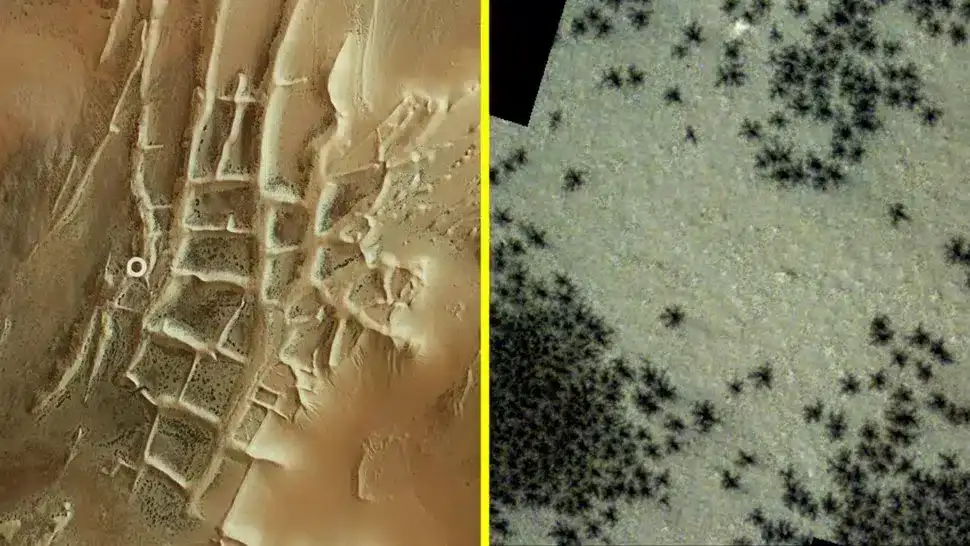
The geological layers around Witch Hazel Hill possess great scientific value. Several rock strata, including dark-colored deposits, may hold essential clues about Mars’ historical environment. Should the “St. Pauls Bay” rock derive from these layers, it could suggest Mars has undergone volcanic eruptions, meteorite bombardments, or had flowing water in ancient times—processes critical to piecing together the planet’s environmental past.
Research into the composition of these rocks could correlate with past Martian phenomena. For instance, similarities with the local dark deposits might indicate evidence of volcanic activity or meteorite collisions. Understanding such geology is vital for framing Mars’ broader environmental story and discerning whether water once flowed across its surface.
Unveiling Mars’ Secrets: Could Life Have Existed?
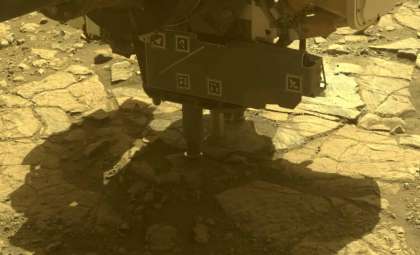
One compelling reason for intense focus on rocks like “St. Pauls Bay” is their potential to provide signs of past Martian life. Perseverance is actively collecting samples intended for return to Earth, where state-of-the-art lab analysis can probe for evidence of former microbial life on the Red Planet.
NASA’s upcoming Mars Sample Return mission, planned for the 2030s, will retrieve samples gathered by Perseverance. Examining these materials using cutting-edge techniques on Earth could unlock profound insights into Mars’ history and its ability to have supported life — a question that remains at the heart of planetary exploration.
- Categories:
- News




0 comments
Sign in to Comment