
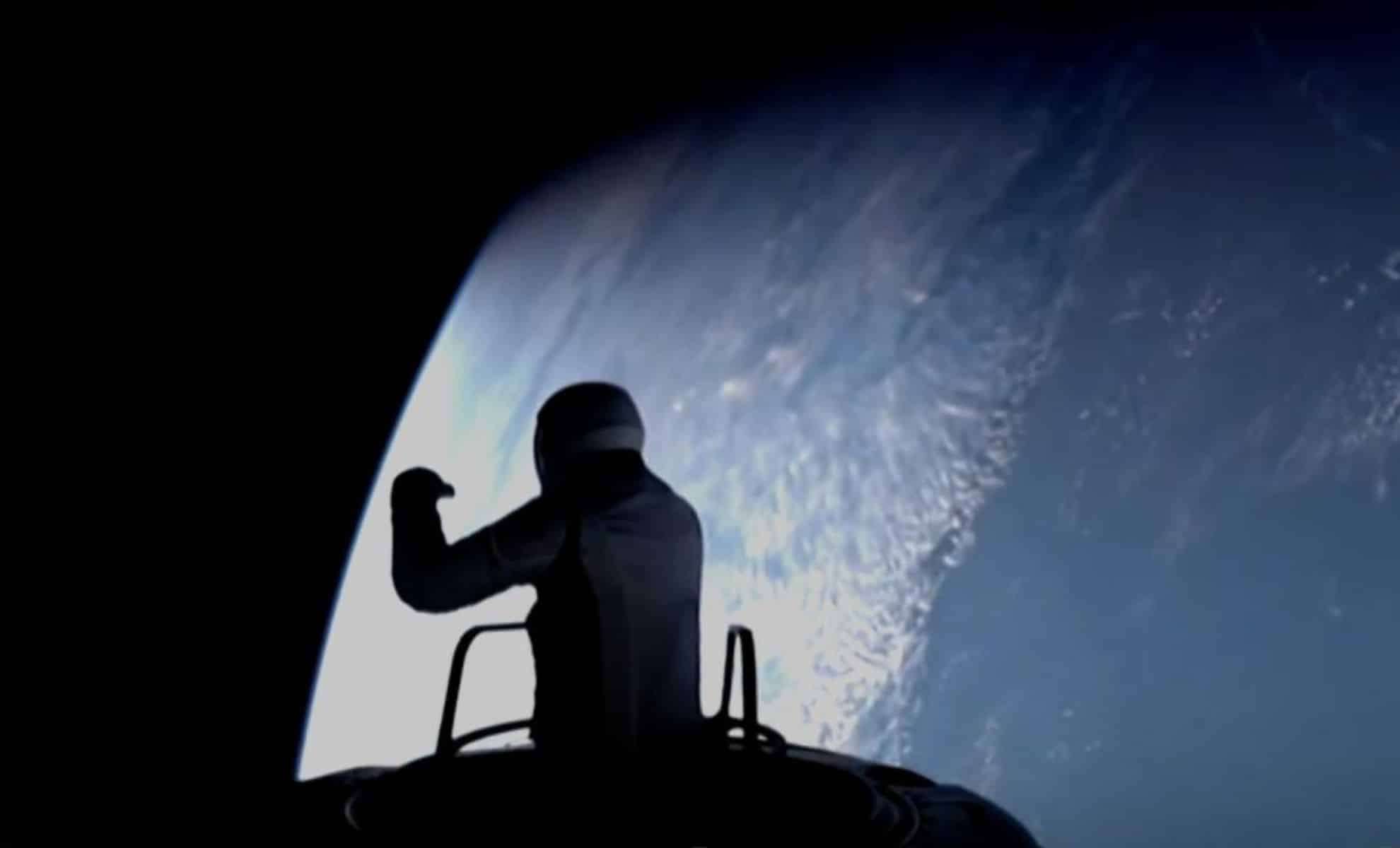
On September 12, 2024, the Polaris Dawn mission set a new benchmark by executing the inaugural commercial spacewalk successfully.
This remarkable achievement signals a transformative milestone in the progress of privately led space exploration, as a team of four aboard a SpaceX Dragon spacecraft exited the safety of their vehicle to perform a daring spacewalk. The mission, championed by tech billionaire Jared Isaacman, highlights the expanding contributions of private companies in advancing space endeavors.
Mission Participants and Goals
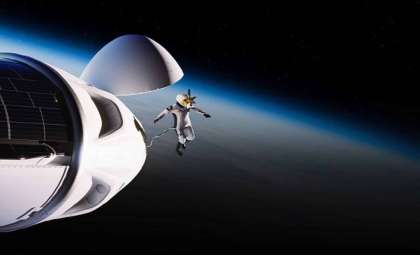
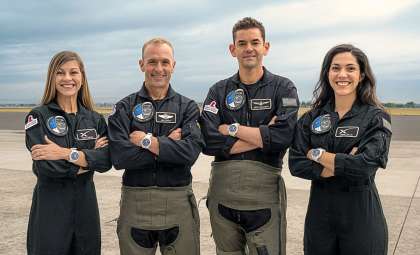
The Polaris Dawn team is headed by Jared Isaacman, an experienced space voyager and business leader who also led the Inspiration4 mission in 2021. Accompanying him are Sarah Gillis, a SpaceX engineer, and fellow astronauts Scott “Kidd” Poteet and Anna Menon. Although the entire team supported the spacewalk activities, only Isaacman and Gillis actually left the spacecraft for roughly 20 minutes during the two-hour operation, testing innovative extravehicular activity (EVA) suits designed by SpaceX.

The mission entails much more than just the spacewalk, with the crew conducting 36 scientific experiments focused on enhancing knowledge of how human biology responds to space conditions. A particularly important area of study is space adaptation syndrome, a motion sickness that affects nearly half of astronauts. Sarah Gillis emphasized the significance of this research for future extended missions, stating, “Human spaceflight is not going to be glamorous all the time. Humans aren’t meant to live and work without gravity.”
Historic Importance of This Spacewalk
While spacewalks have been integral to space exploration since NASA’s Gemini program in the 1960s, this event stands out as the first conducted by a privately organized, non-government crew. The spacesuits worn by Isaacman and Gillis were specially crafted by SpaceX and represent a critical step toward the commercialization of space gear. Successfully showcasing these suits paves the way for more affordable options in future missions.
Additionally, the mission reached an altitude of 1,400 kilometers (870 miles) above Earth, the greatest distance traveled by a crewed spacecraft since the Apollo missions half a century ago. This trajectory passed through the Van Allen radiation belts, a highly radioactive zone posing known challenges for human space travelers.
Implications for the Future of Commercial Spaceflight
This landmark spacewalk marks a significant advance in the commercialization of space travel. NASA Administrator Bill Nelson hailed the achievement as “a giant leap forward for the commercial space industry.” It reflects a broader trend toward transferring many space operation roles traditionally managed by government agencies to private companies. Under the leadership of Elon Musk, SpaceX has promoted the vision that reducing spaceflight costs will unlock more opportunities for humans to live and operate beyond Earth.
The Polaris Dawn mission inaugurates a series of expeditions within the Polaris Program, which aims to push the limits of commercial space exploration further. Jared Isaacman has expressed that these missions will advance key technologies needed for sustainable human presence in space, ultimately supporting future lunar or Martian settlements.
Upcoming Activities for the Polaris Dawn Team
Following the spacewalk, the crew will maintain their orbital operations for several more days, completing ongoing scientific tests and demonstrating new equipment such as SpaceX’s Starlink satellite communication system. The mission is anticipated to wrap up with a splashdown on Earth, expected early Sunday morning.
This endeavor exemplifies the rising partnership between commercial companies and governmental space agencies like NASA. Continued advances by SpaceX and others propel private space exploration, bringing humanity closer to an era where commercial players are central to cosmic discovery.






0 comments
Sign in to Comment