
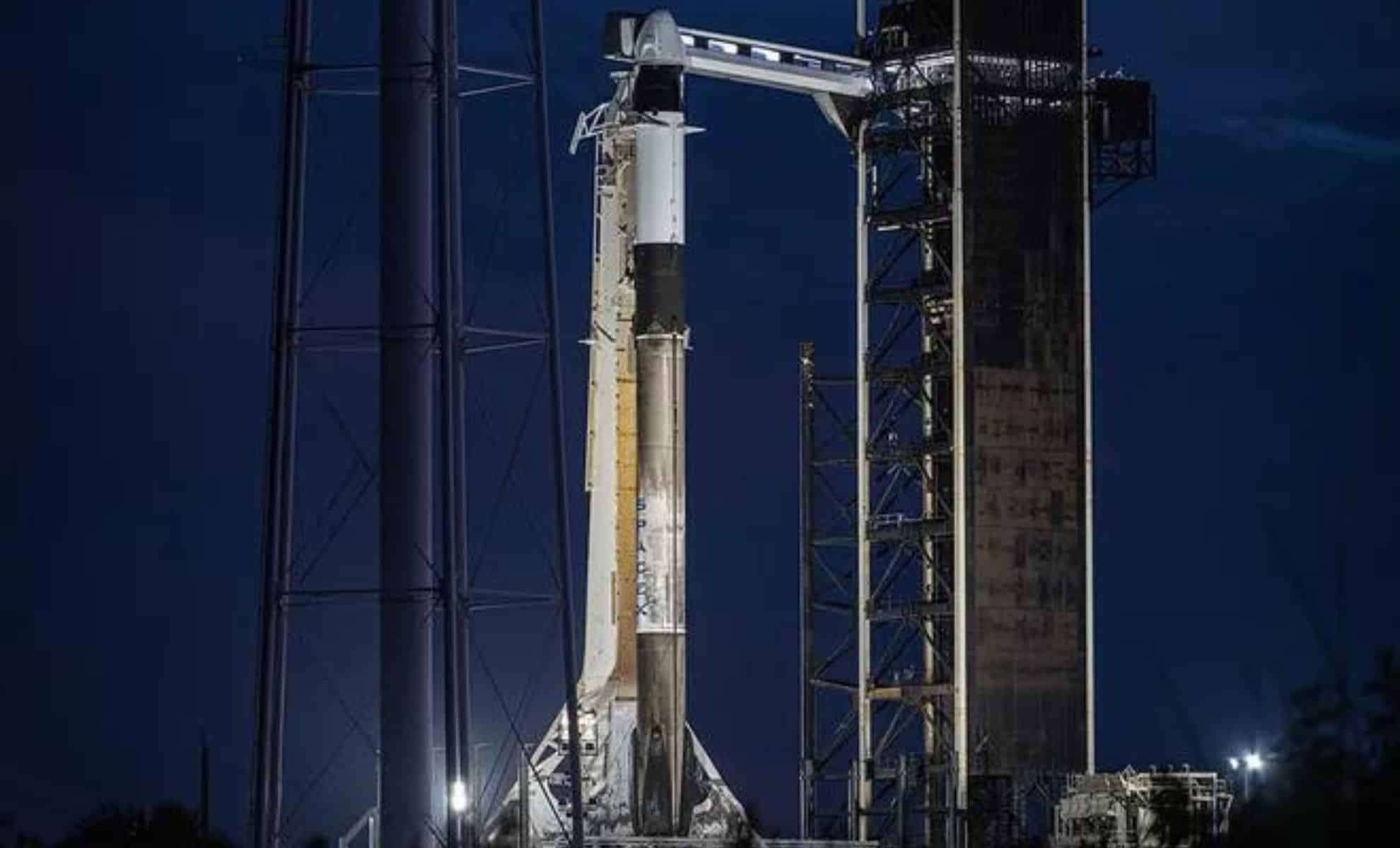
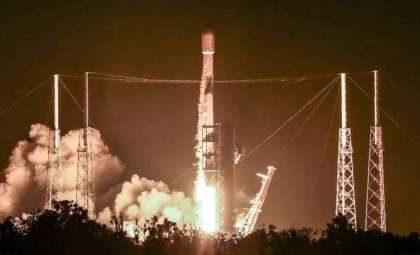
SpaceX has postponed the launch of its eagerly awaited Polaris Dawn mission following the identification of a helium leak in the ground support equipment.
Originally scheduled for liftoff on Tuesday, the mission is now planned for Wednesday, with the launch window opening from 3:38 to 7:09 a.m. ET at NASA’s Kennedy Space Center in Florida.
This setback marks the second delay since the crew’s arrival in Florida, highlighting the intricate challenges involved in readying a mission of this scale.

Understanding the cause of the postponement
The launch was deferred after a helium leak was detected in a critical ground-side component used during the rocket's detachment process at liftoff. SpaceX shared the update via X (previously Twitter), explaining the need for the reschedule.
Teams are taking a closer look at a ground-side helium leak on the Quick Disconnect umbilical. Falcon and Dragon remain healthy and the crew continues to be ready for their multi-day mission to low-Earth orbit.
Next launch opportunity is no earlier than Wednesday, August 28 →…
— SpaceX (@SpaceX) August 27, 2024
SpaceX emphasized the importance of thoroughly inspecting and repairing the equipment to guarantee the mission's safety. The company reassured that both the Falcon 9 rocket and the Dragon capsule are in excellent condition, with the crew staying mission-ready. This approach underscores SpaceX’s dedication to operational safety, especially for such a pioneering venture.
Mission objectives and crew composition
The Polaris Dawn mission aims to extend human spaceflight frontiers. Led by billionaire and experienced spacefarer Jared Isaacman, who previously piloted the Inspiration4 mission, this five-day expedition seeks to reach altitudes not visited by astronauts since NASA's Apollo era. Joining him are pilot Scott "Kidd" Poteet and two SpaceX engineers, Sarah Gillis and Anna Menon, serving as mission specialists. A primary goal is achieving the first commercial spacewalk, a groundbreaking event with major implications for commercial space ventures.
The crew’s journey represents both the rising impact of private space companies and a crucial step toward deep space exploration. They plan to ascend approximately 870 miles above Earth, traversing the perilous Van Allen radiation belts. Successfully passing this high-radiation region will offer vital experience for upcoming missions to the Moon, Mars, and beyond.
Innovative technologies and research onboard
Besides the historic spacewalk, the mission will conduct about 40 scientific investigations focusing on how extended spaceflight affects human health. These studies are essential for advancing plans for longer manned missions, such as trips to Mars. The crew will also trial an advanced laser-based satellite communication system via Starlink, promising enhanced data transfer capabilities that could transform space-to-Earth communications.
Anna Menon plans to add a heartfelt touch by reading a children's book she co-wrote, Kisses from Space, aloud from orbit to her young kids. This gesture brings a personal dimension to the venture and inspires future generations about the possibilities of space life.
Challenges of the planned spacewalk
The mission’s highlight is the envisioned spacewalk on day three. Unlike conventional spacewalks from airlock-equipped spacecraft, the Dragon lacks an airlock, requiring full capsule depressurization to open the hatch. This means all four crew members will be exposed to space's vacuum, though only Isaacman and Gillis will exit the craft. To ensure safety, every crew member will wear custom Extra-Vehicular Activity (EVA) suits developed by SpaceX, which supply oxygen linked to the spacecraft via tethers.
This operation is not only a testament to SpaceX's engineering but also a critical trial of their EVA suits under actual conditions. A successful spacewalk would be a key milestone in advancing safer, more efficient space travel technology, especially for missions conducted outside traditional governmental programs.
Looking ahead: Mission impact and schedule
Should the helium leak be fully resolved promptly, the mission is anticipated to launch Wednesday morning. However, if further work is necessary, SpaceX has indicated the possibility of a launch delay until Thursday. The results and data from Polaris Dawn will be invaluable to both SpaceX and NASA as they refine technology and protocols for human deep-space ventures, influencing future goals including eventual crewed Mars missions.
Polaris Dawn symbolizes the expanding ambitions and capabilities of private aerospace firms. As private and public space exploration efforts increasingly intertwine, missions like this move humanity closer to enduring extraterrestrial settlements and deeper cosmic exploration.
- Categories:
- Astronomy ,
- News ,
- Science ,
- Space









0 comments
Sign in to Comment