
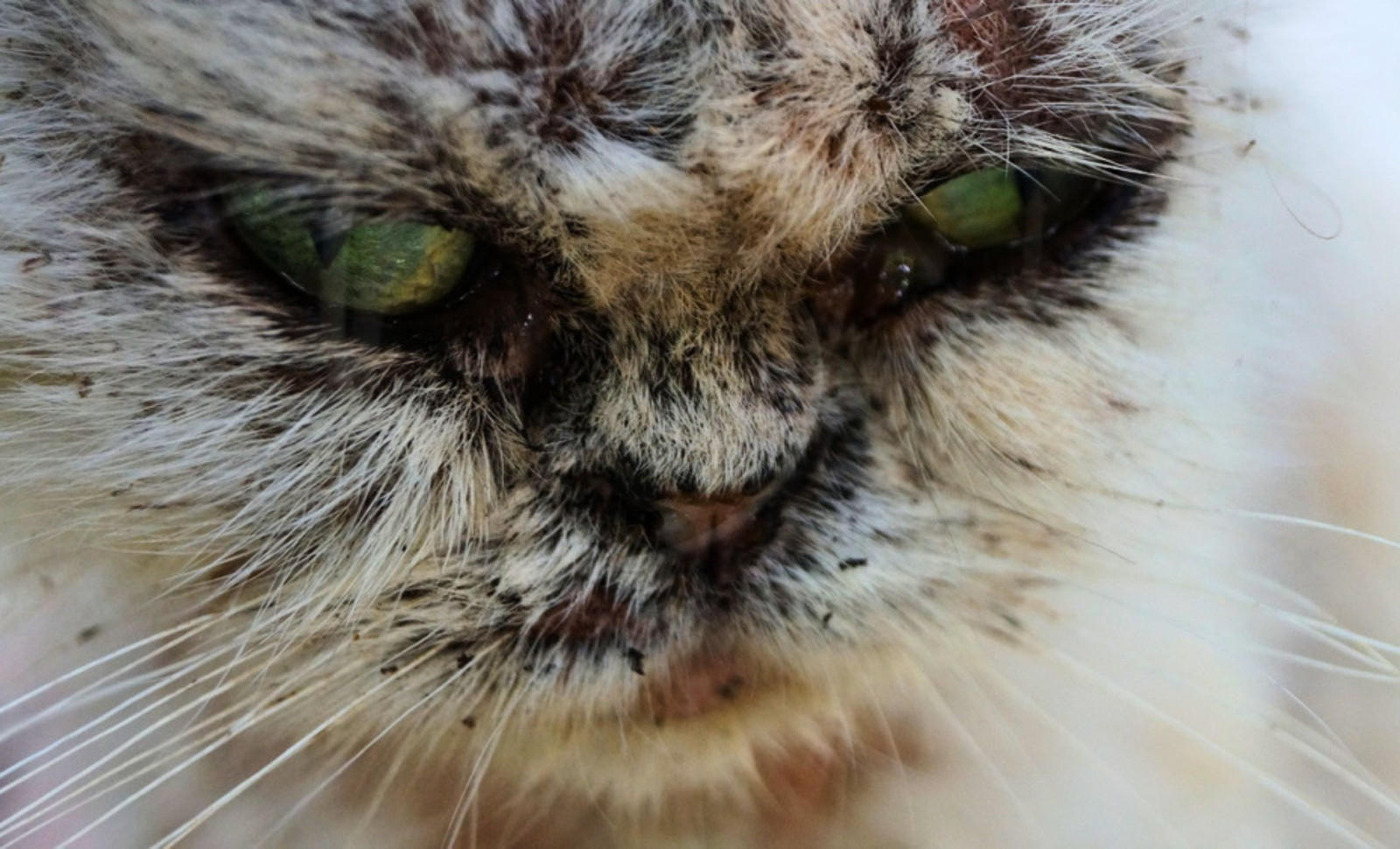
Veterinarians along Uruguay’s southeastern coastline began noticing a troubling trend: cats presenting with persistent, raw sores localized around their noses and paws. Additional animals exhibited similarly stubborn crusted lesions on their faces that defied typical healing patterns. Over time, comparable wounds appeared repeatedly on the heads and forelimbs, raising concern among animal health specialists.
Simultaneously, medical practitioners nearby observed unusual symptoms in human patients. Following scratches, small nodules would develop on hands or forearms, some progressing to open sores. Others multiplied or migrated beneath the skin, creating a distinct but initially puzzling clinical picture. While the pattern was recognizable, its cause remained unclear.
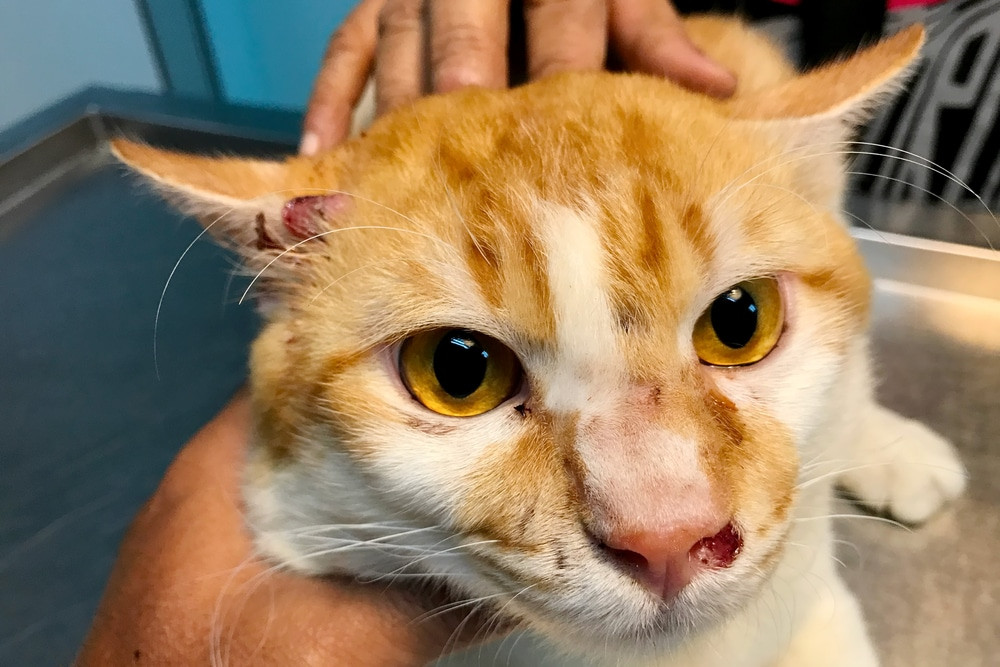
These incidents spanned the Maldonado and Rocha departments at Uruguay’s southeastern margin. No single household or animal emerged as the common source. Instead, what stood out was a repetitive occurrence: similar injuries, shared exposure pathways, and clustering over time suggested a connected outbreak spreading across multiple locations.

Connections Point Clearly to Feline Transmission
Research affiliated with Universidad de la República, Uruguay’s leading public university, systematically tracked infections in humans, pets, and local wildlife. Their findings identified the culprit as Sporothrix brasiliensis, a fungal species now recognized as central to this emerging health concern. The university's prominent role anchors the investigation within the nation’s public health infrastructure.
Cats play a pivotal role due to the high fungal load found in their open lesions, especially around mouth, face, and paws. When cats scratch, bite, or shed wound exudate, the fungus directly accesses human tissue, facilitating a far more efficient cross-species transmission than typical superficial infections might imply.
This understanding clarified why the initial cases were not random isolated incidents but rather exhibited uniform clinical features linked to feline exposure and prolonged disease courses. The constellation of symptoms made it clear that these wounds represented a recognizable infectious syndrome rather than unrelated anomalies.
The Shape-Shifting Fungus Behind the Infections
A 2023 comprehensive review published in the Journal of Fungi details sporotrichosis, a disease caused by species within the genus Sporothrix. It highlights S. brasiliensis as the most virulent member. This distinction explains the heightened concern around this pathogen sweeping through parts of Latin America.
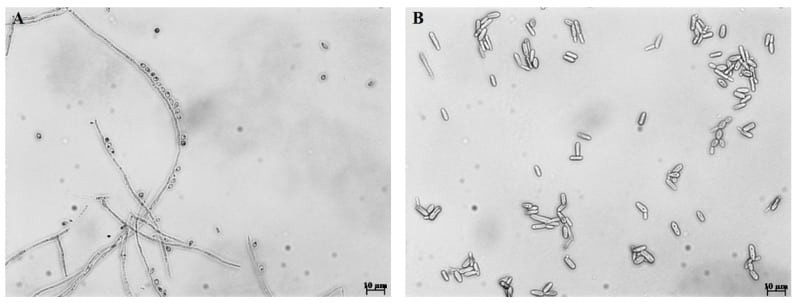
Its success as a pathogen stems from being a thermodimorphic fungus. In the environment, it grows as branching filamentous structures, but once inside a host, it transforms into yeast-like cells adapted for survival in tissue. This ability to switch forms enhances its capability to infect both environmental and animal hosts.
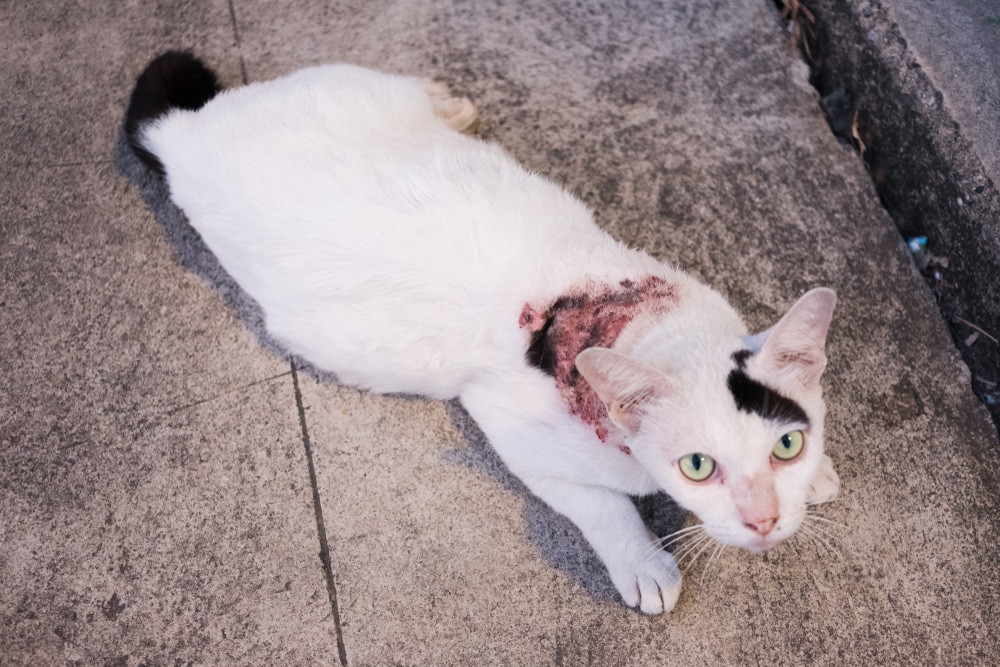
Clinicians observed this biology manifest through characteristic lesions in human patients starting as small bumps that ulcerate, followed by nodular spread tracing lymphatic channels. In cats, symptoms are more severe, including non-healing wounds, scabbing, hair loss, and eye inflammation. Although initially diagnosed separately, these presentations reflect a common disease mechanism spanning species.
Distinct from Past Sporotrichosis Patterns in Uruguay
Uruguay had previous sporotrichosis cases, but those primarily involved exposure to wild animals like armadillos, particularly during hunting activities. Data accessed through PubMed and regional research indicate earlier infections were linked narrowly to specific environments and behaviors rather than widespread domestic animal contact.
This distinction is important because sporadic infection linked to hunting affects fewer people in localized contexts. The more recent spread through cats is different—these animals interact extensively with humans and other pets, roaming diverse areas and facilitating ongoing transmission within communities.
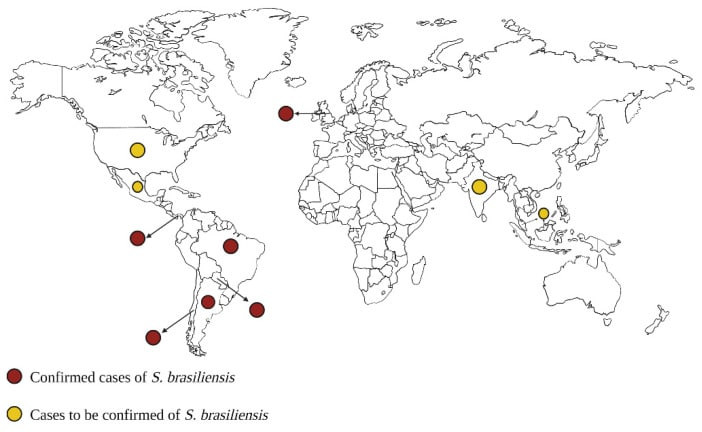
This transmission route through household and feral cats creates a persistent zoonotic problem, complicating efforts to control and predict sporotrichosis outbreaks compared to the more limited exposures of the past.
Cross-Border Spread Evident in Neighboring Argentina
A 2024 report available via ScienceDirect describes S. brasiliensis as an emerging pathogen with high virulence. It details two confirmed human cases in Buenos Aires linked to sick cats, noting genetic evidence that suggests these Argentine isolates originated from Brazil, pointing to a regional dissemination pattern.
While this does not confirm identical pathways for all cases in Uruguay, it clearly demonstrates that cat-driven transmission is a regional concern spanning multiple countries. The presence of the fungus in adjacent regions adds context to Uruguay's experience without overstating local conclusions.
The key public health challenge lies in early recognition and response. The lesions found first in cats and then humans gained importance not due to severity alone, but because their repeated appearance across various areas and species revealed a pattern demanding focused attention and action.
- Categories:
- News













0 comments
Sign in to Comment