
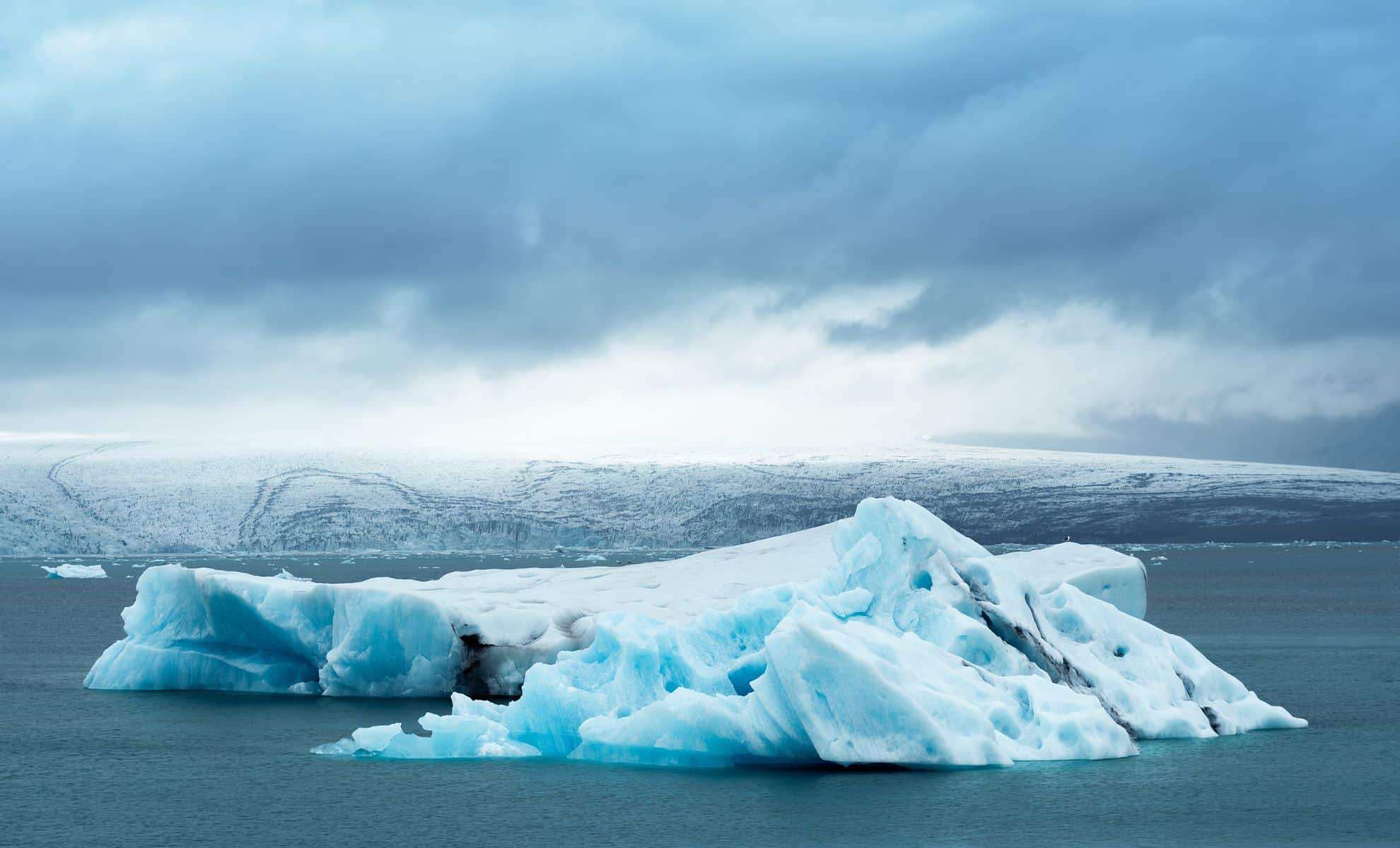
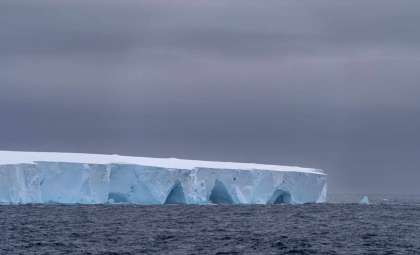
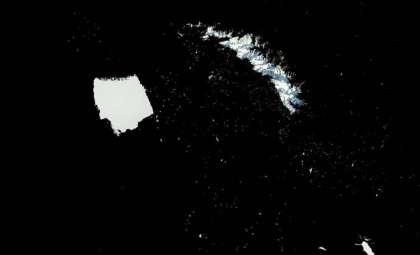
The enormous iceberg known as A23a, currently the largest on Earth, is slowly making its way through the South Atlantic. Weighing about a trillion tons and towering 40 meters high, this vast ice formation is now visible via satellite as it moves closer to the isolated island of South Georgia, prompting serious concern among environmental scientists for the island’s fragile habitats.
An Antarctic Colossus on the Move
Iceberg A23a has a long history, having originally calved from the Filchner Ice Shelf in Antarctica back in 1986. At that time, it covered an area of nearly 3,900 square kilometers, making it larger than several small nations. Its tallest ridges once soared up to 400 meters. For many years A23a remained anchored in the Weddell Sea, frozen solid, until recent warming in the Antarctic waters loosened its hold and freed the iceberg to drift again.
Tracking from satellites shows it has entered open ocean currents, heading either toward a direct impact with South Georgia or being caught in the swirling ocean gyres encircling the island. This trajectory poses significant risks to local wildlife, particularly marine species that depend on ice-free coastal zones for feeding and breeding.

Threats to Penguin and Elephant Seal Populations
South Georgia hosts diverse wildlife, including King penguins and nearly half of the world’s Southern elephant seals. The island has experienced iceberg collisions before, with severe consequences. When large icebergs block access to the sea, animals are unable to forage, leading to widespread starvation among penguin and seal colonies.
Scientists are vigilantly monitoring A23a’s path, recognizing that if the iceberg grounds again, it could trigger similar ecological stress. The island’s remote location means environmental damage could persist for years, hampering wildlife recovery.
Iceberg Breaking Apart Over Time
Although enormous, A23a won’t remain intact indefinitely. As it moves, it is expected to crack into several major fragments. This breakup process is accelerated by the steadily warming waters enveloping the Antarctic mainland, which continue to erode the berg’s bulk.
Even as pieces separate, the iceberg’s presence will keep challenging the marine ecosystems in this biodiverse area. Each drifting fragment could create hazards for local wildlife and complicate navigation across the Southern Ocean.
Tracked from Orbit, Impact Felt on the Ground
The journey of A23a highlights the rapidly shifting conditions of Earth’s polar regions. With the help of satellites observing its drift from outer space, this massive iceberg has become a key example of the dramatic environmental changes unfolding in the Antarctic landscape.
Researchers worldwide are carefully watching its progress, aiming to better predict the consequences of these drifting ice giants in a climate increasingly affected by warming.
- Categories:
- News





0 comments
Sign in to Comment