
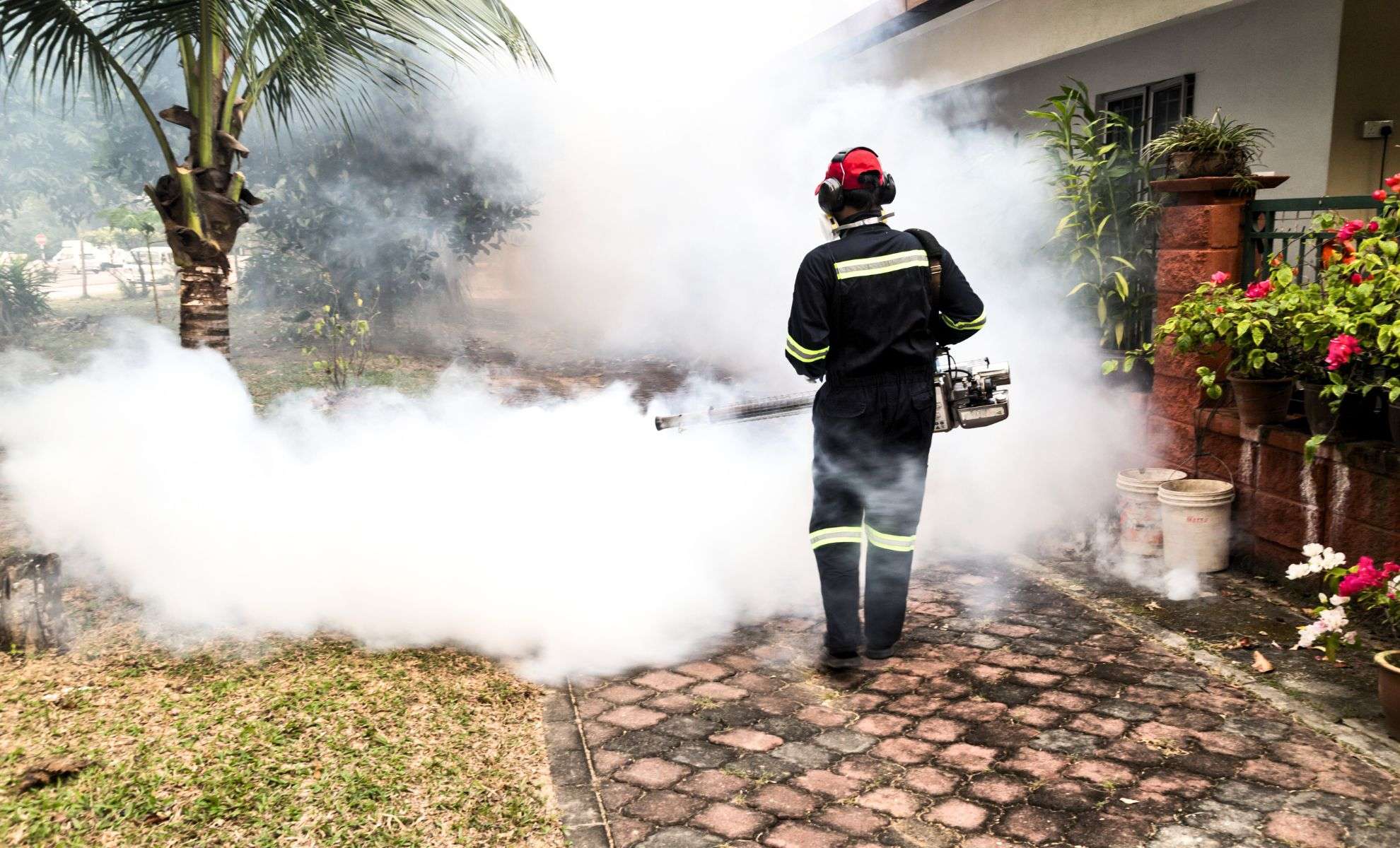
A little-known virus is rapidly spreading throughout regions of Latin America, attracting serious attention from health experts who liken its proliferation to outbreaks of Zika and dengue. Identified as the oropouche virus, it has infected more than 20,000 individuals since late 2023, with confirmed cases reported in Brazil, Peru, Colombia, Bolivia, and parts of the Caribbean. Discovered in 1955 in Trinidad and Tobago, this virus is now under close international scrutiny due to its widespread but often undetected presence in tropical climates.
Frequently Confused with Other Mosquito-Borne Illnesses
Symptoms of oropouche virus closely resemble those of dengue and Zika, resulting in frequent misdiagnosis and underreporting. Individuals infected typically experience fever, headaches, muscle and joint aches, chills, nausea, vomiting, and skin eruptions. While recovery is common, some cases escalate to severe conditions such as viral meningitis, a serious brain infection. The overlap in symptoms with other vector-borne diseases has concealed the true extent of the virus’s impact for many years.
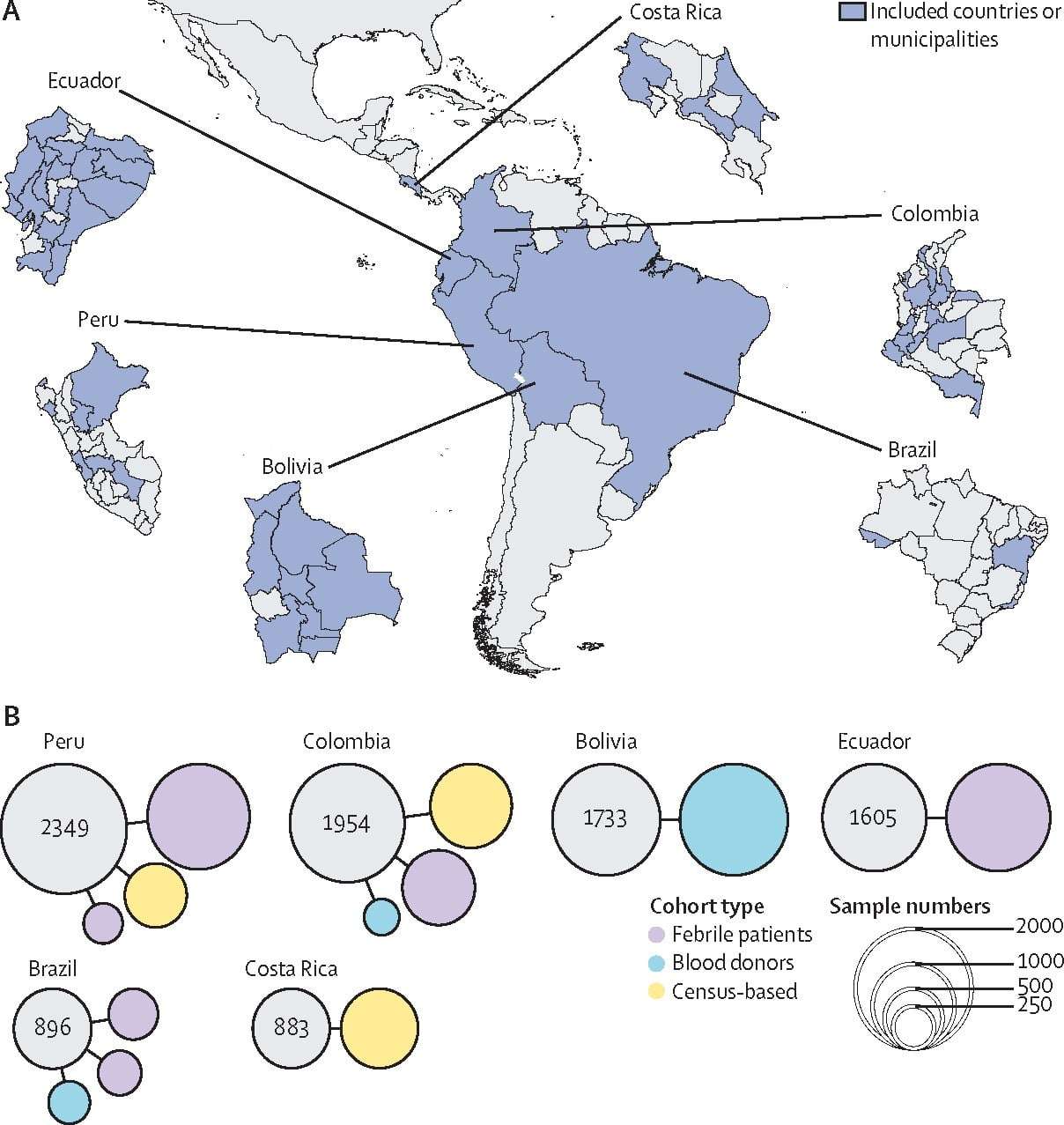
Research from Charité – Universitätsmedizin Berlin, led by Professor Jan Felix Drexler, highlights that oropouche virus infections are far more common than once thought. Their study, published in The Lancet Infectious Diseases, examined over 9,400 blood samples gathered between 2001 and 2022 from Bolivia, Brazil, Colombia, Costa Rica, Ecuador, and Peru. Findings revealed that roughly 6% of individuals tested had encountered the virus, with rates exceeding 10% in regions within the Amazon.

Role of Climate Shifts and El Niño in Virus Uptick
The surge in oropouche virus cases is closely linked to environmental changes, especially persistent patterns of elevated heat and rainfall. Scientists point to climate phenomena like El Niño, which heighten humidity and raise temperatures across tropical zones, fostering optimal breeding environments for the virus’s insect carriers. Transmission occurs via minuscule biting midges from the Ceratopogonidae family — insects so small they can pass through standard mosquito nets.
The team’s machine learning analysis indicates that these weather conditions significantly influence transmission dynamics. While the virus is most widespread in the Amazon rainforest, other high-risk areas have been identified in Central America, the Caribbean, and the southern coast of Brazil. Cooler high-altitude locations have recorded fewer infections due to less insect activity.
Increased Concerns for Expectant Mothers
Health authorities are intensifying focus on the virus’s effects during pregnancy. Recent reports from impacted countries include two fatalities involving otherwise healthy young women and multiple instances where infection conflicted with pregnancies, resulting in miscarriages and birth defects. Although according to Drexler, oropouche appears to affect fetuses “less frequently than Zika,” definitive conclusions await further research.
“Knowledge about this virus remains limited,” Drexler noted, stressing the urgency for additional studies on its prenatal implications. With no vaccines or targeted treatments available yet, health experts advise individuals in vulnerable areas — particularly pregnant women or those planning pregnancy — to take strong preventive measures, such as wearing long-sleeved garments, applying repellents containing DEET or icaridin, and consulting healthcare professionals before traveling.
Prevention Centers on Avoiding Insect Bites
Currently, no approved vaccine or antiviral therapy exists for the oropouche virus. Protection relies primarily on reducing contact with the tiny midges responsible for spreading the infection. Unlike the more familiar Aedes mosquitoes, these midges are exceptionally small—typically under 3 millimeters—and capable of penetrating many conventional mosquito barriers.
Effective prevention includes using fine-mesh netting, wearing protective clothing, and applying insect repellents. Drexler cautions that as long as high infection rates continue and knowledge gaps remain, populations—especially within the Amazon region and tropical lowlands—should maintain vigilance.
- Categories:
- News









0 comments
Sign in to Comment