
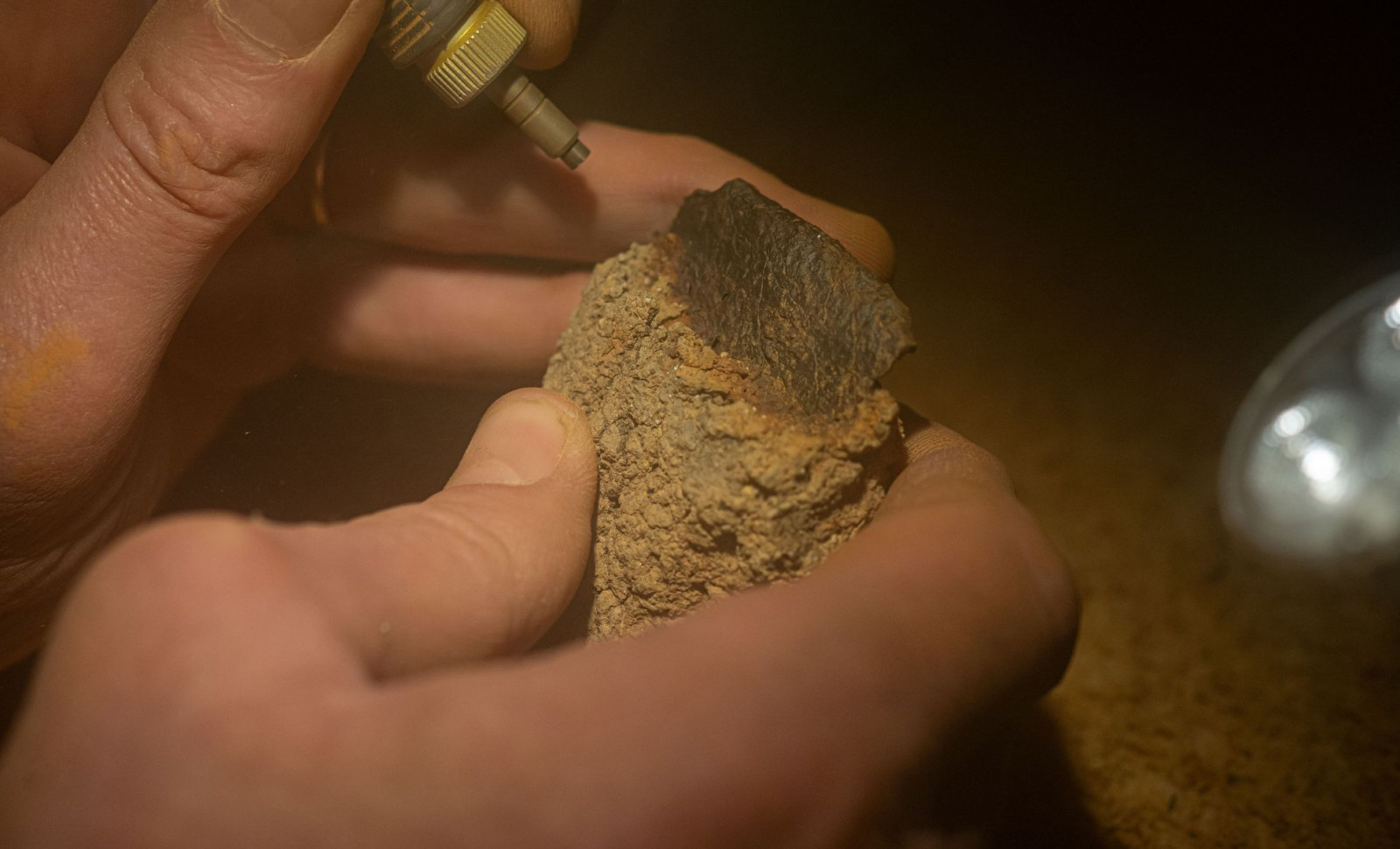
Archaeologists have unearthed five iron restraints at a Celtic settlement dating back 2,300 years in Allonnes, located in western France. Found alongside weapons, ceremonial items, and hundreds of ancient coins, these shackles are extraordinarily uncommon for their era and may indicate the settlement's involvement in the trade of enslaved individuals.
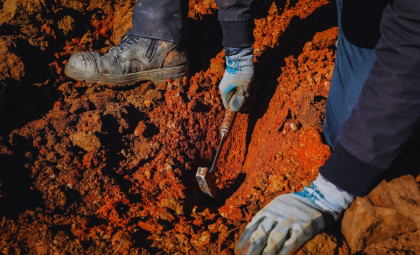
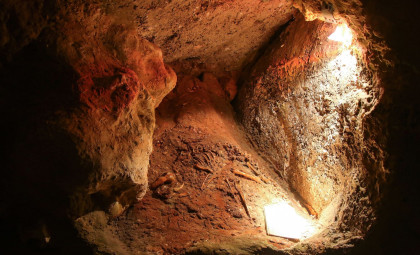
The two-year archaeological dig took place at a site established in the 3rd century B.C. near a religious sanctuary in the Loire Valley. While many artifacts showcased advanced metalworking skills, the discovery of the shackles stood out as especially surprising.
These findings shed new light on the settlement’s functions. According to the French National Institute for Preventive Archaeological Research (INRAP), this location combined expert craftsmanship, spiritual activity, and potentially the commerce of slaves.

Unexpected Restraints Found Amidst a Center for Metal Artisans
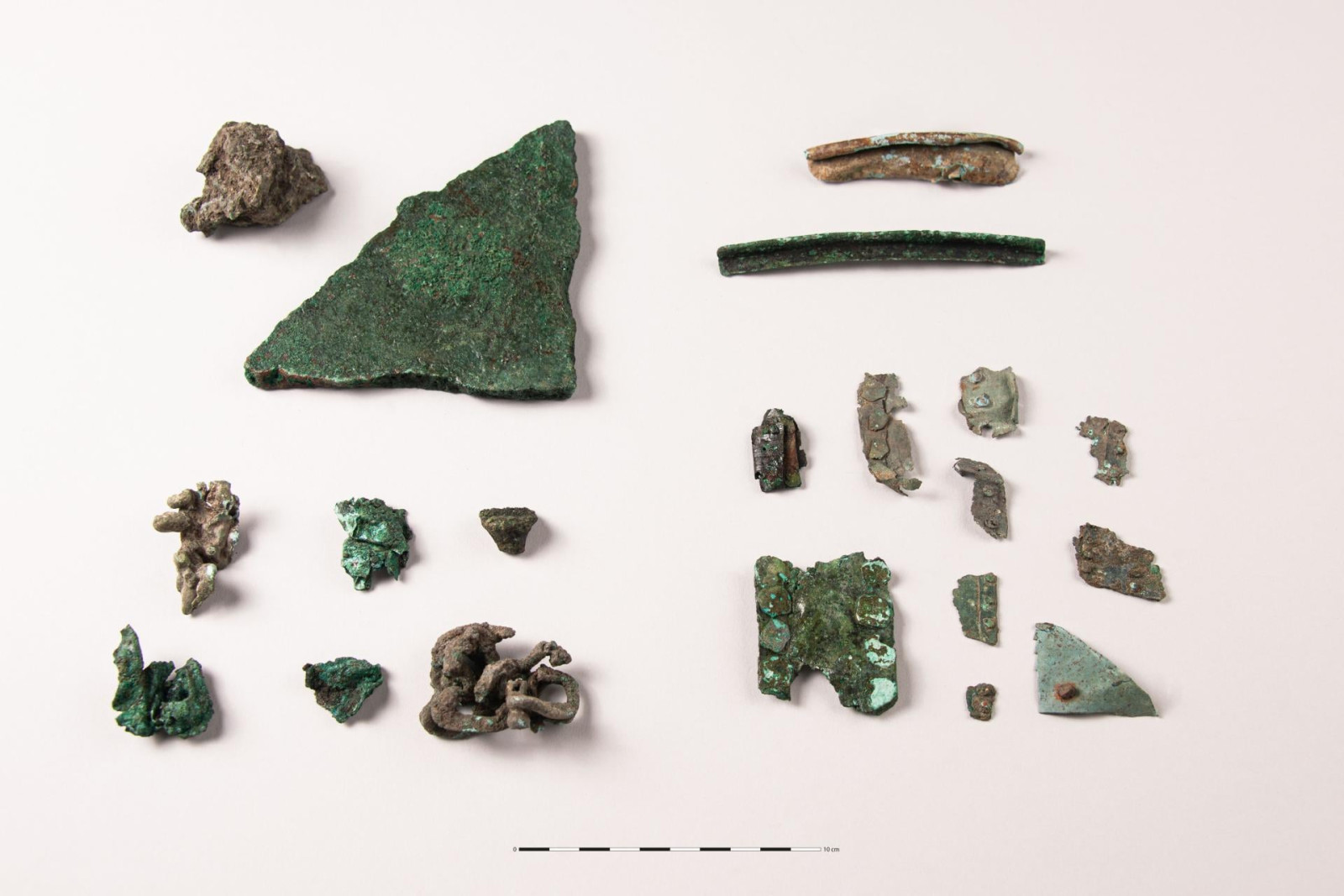
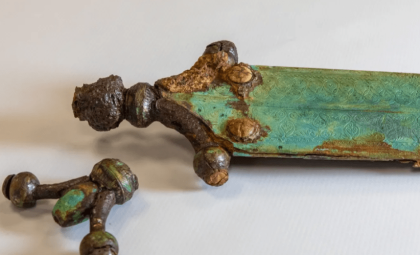
Excavators uncovered a variety of finely crafted metal goods, such as swords, spear points, keys, and horse tack fittings. Skilled blacksmiths, copper and bronze workers, and sheet-metal artisans inhabited the settlement, confirming metalworking as a central pursuit.
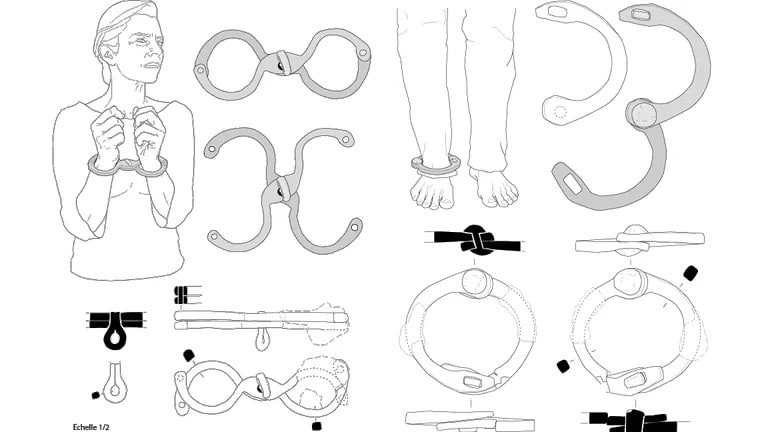
Among the artifacts were five iron restraints: a pair of linked wrist shackles, an ankle shackle, and three partial fragments from other restraints. INRAP classifies these items as "extremely rare" from the Late Iron Age, marking them among the most remarkable finds at the excavation.
Founded alongside a religious complex during the third century B.C., the settlement was expected to yield artifacts related to crafts and rituals. However, the shackles revealed a distinct dimension to life at the site.
Shackles Suggest Links to Slavery, Experts Propose
Researchers now believe that Allonnes may have been involved in slave trading during the Late Iron Age, spanning 450 to 50 B.C. Celtic metalwork historian Thierry Lejars noted in an INRAP interview:
“The identification of restraints and weapons suggests a hierarchical social organization composed of dominant and subordinate groups — prisoners or slaves.”
According to the institute, the Gauls—a conglomerate of Celtic tribes—enslaved captives, criminals, and those burdened by debt. Enslaved individuals, including men, women, and children, were deprived of their freedoms, could be traded, and typically forced into labor such as agricultural work.
One notable detail from the shackles was their size. The wrist shackle measures roughly 6 centimeters (2.4 inches) in diameter, implying it might have been worn by a woman or child. Meanwhile, the ankle shackle weighs over 1 kilogram (2.2 pounds), highlighting the physical burden endured by those restrained.
Religious Offerings Provide Unexpected Insights
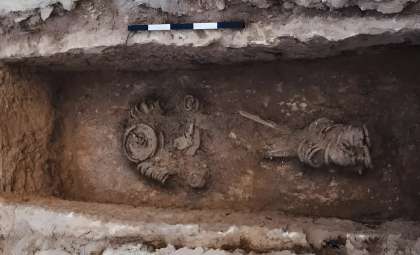
Beyond everyday artifacts, the excavation exposed a sanctuary filled with garments, rings, amulets, and other personal items offered as votive gifts.
INRAP reports that many offerings were intentionally bent or damaged before ritual deposition, possibly to symbolically convert ordinary objects into sacred tributes.
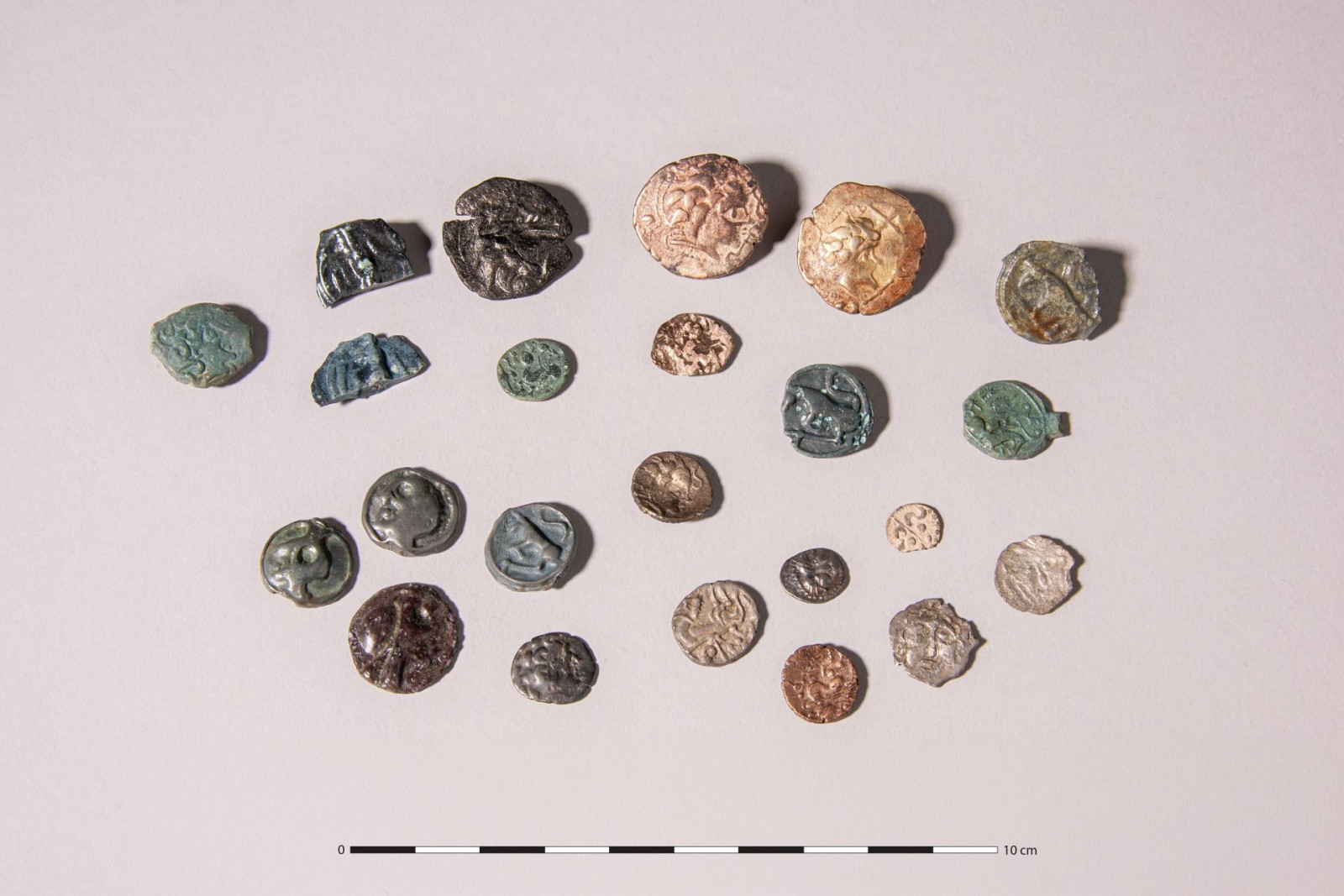
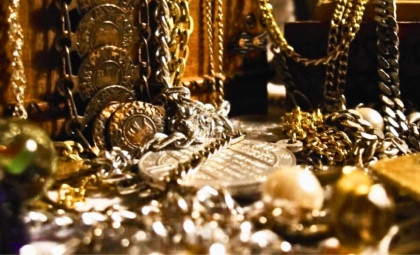
The team also uncovered hundreds of coins minted over several centuries. Ancient coin expert Isabelle Bollard-Raineau explained via INRAP that almost one-third of the coins bore signs of filing, cutting, or chiseling, which she interpreted as:
“These mutilations reveal a ritual intention: the removal of the coin’s commercial function in order to dedicate the object to the sacred, thereby ensuring the permanence of the offering.”
- Categories:
- Science





0 comments
Sign in to Comment