
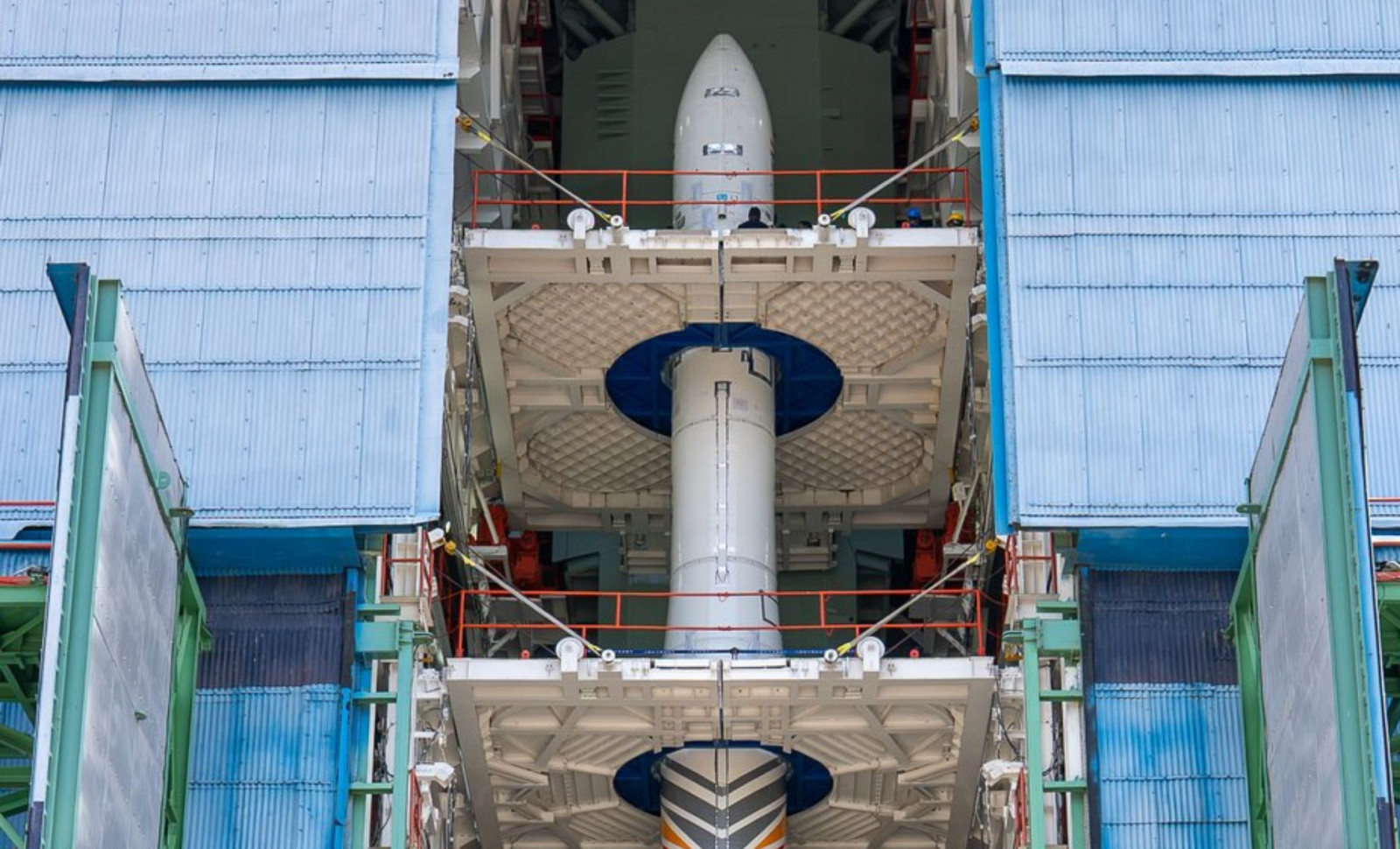
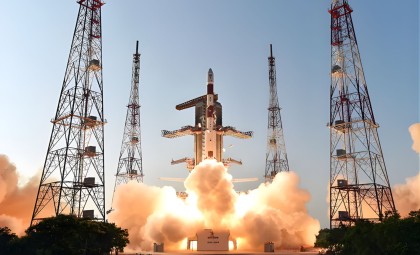
India’s burgeoning private aerospace sector is on the verge of a landmark achievement as Skyroot Aerospace gears up to launch its debut orbital rocket, Vikram-1. This mission is more than just a test flight — it promises to mark India’s first privately engineered orbital launch vehicle and herald a significant shift towards commercial spaceflight opportunities in the country.
An Innovative Startup Pioneering New Orbital Launch Services
Established in 2018 by ex-engineers of the Indian Space Research Organisation (ISRO), Skyroot Aerospace set out with a bold mission: to introduce more adaptable, cost-effective, and responsive orbital launch solutions tailored for the expanding market of satellite users. Traditionally dominated by government agencies, India’s space access landscape is now seeing a commercial contender aiming to provide dedicated launches, circumventing the delays and constraints of rideshare options.
Co-founder Pawan Kumar Chandana emphasized that client-centric flexibility is central to their model. “With the Vikram series, we aim to revolutionize the 'cab' style market,” Chandana told Space.com. “Currently, opportunities for bespoke orbital placements are scarce.” Instead of directly challenging the large rockets that ferry numerous payloads simultaneously, Skyroot plans to offer precision launch services that meet specific satellite deployment needs. This business model aligns with the global trend where small satellites increasingly demand custom launch schedules and orbits rather than secondary rides. Success with Vikram-1 could prove that Indian private launch vehicles can compete with seasoned international providers.

Extensive Testing Lays the Groundwork for Vikram-1's Launch
Designing an orbital launch vehicle requires rigorous validation of propulsion, structure, avionics, software, and launch protocol systems. Over several years, the firm has systematically tested subsystems to minimize technical risks ahead of the first orbital attempt. While successful ground tests boost assurance, engineers acknowledge that actual launch conditions remain unique and challenging.
According to Chandana, the upcoming flight's primary objective is data acquisition beyond orbital insertion. “Our goal is to be as prepared as possible and collect maximal information during launch to enable rapid, frequent flights in the near future,” he explained. This flight is a stepping stone toward establishing a robust, repeatable commercial launch platform. As detailed by Space.com, each phase of development enhances long-term operational agility while reinforcing confidence in the rocket’s capabilities.
🚀 Announcing Vikram-1 Test Flight-1: Mission Aagaman, India’s first private orbital rocket launch.
— Skyroot Aerospace (@SkyrootA) July 2, 2026
📍 Satish Dhawan Space Centre, Sriharikota
🛰️ 450 km, 60 degree inclination, Low Earth Orbit
📅 Launch Window: July 12 – August 4, 2026
Vehicle is now fully stacked at India’s… pic.twitter.com/mqqJnO5RoI
Facing Rocket Science Challenges with Optimism and Drive
Skyroot launched into the competitive space industry with an ambitious schedule, backed by the technical acumen of its founders. They expected to reach orbit within a few years, but, as Chandana noted, “rocket science is rocket science.” The team encountered unforeseen technical obstacles common in aerospace, necessitating redesigns, tests, and extended qualification.
Despite the hurdles, Chandana believes their initial enthusiasm fueled swift progress rather than impeding it. “Learning on the fly helped us advance quickly,” he said. This adaptable mindset has been vital for refining their technologies and sustaining the company’s vision for a viable commercial launch enterprise. Their journey highlights the critical role of tenacity, meticulous engineering, and flexibility in orbital vehicle development.
Leveraging Existing Infrastructure to Build a Competitive Launch Service
Skyroot’s growth is supported by India’s maturing commercial space infrastructure. Rather than building all facilities independently, the company accesses shared national resources and partnerships, concentrating investment on rocket design and production.
This model has cut costs and accelerated development. “It fast-tracks our cycles since we avoid the need to build facilities ourselves,” Chandana explained. Utilizing established infrastructure allows greater focus on hardware refinement, system verification, and launch readiness rather than starting from square one.
If Vikram-1 achieves its mission, it will showcase both the sophistication of Skyroot’s technology and the vitality of India’s private space sector. This milestone may encourage satellite operators worldwide to consider India as a provider of flexible, reliable satellite launches amid a rapidly growing global market.
- Categories:
- Space








0 comments
Sign in to Comment