
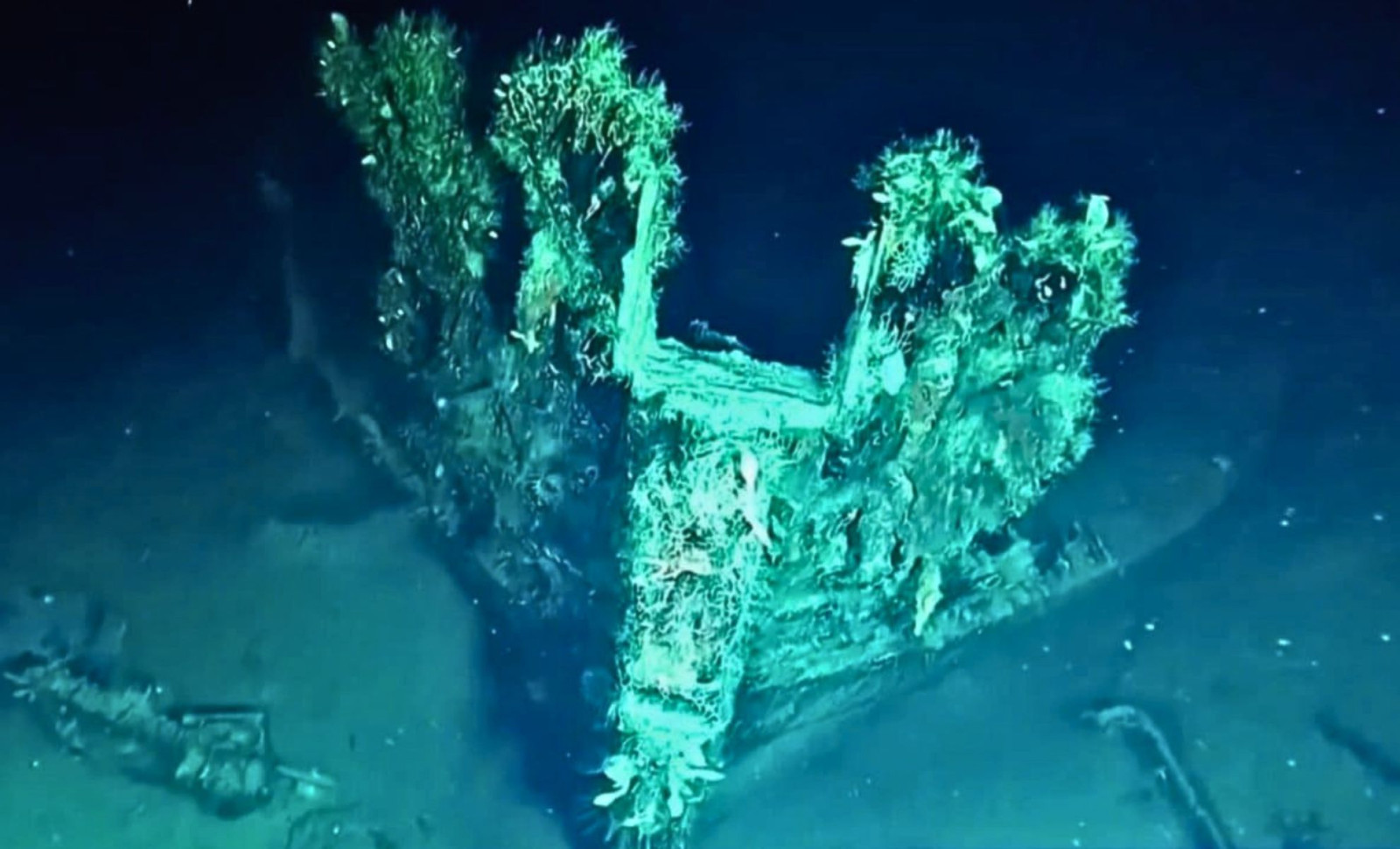
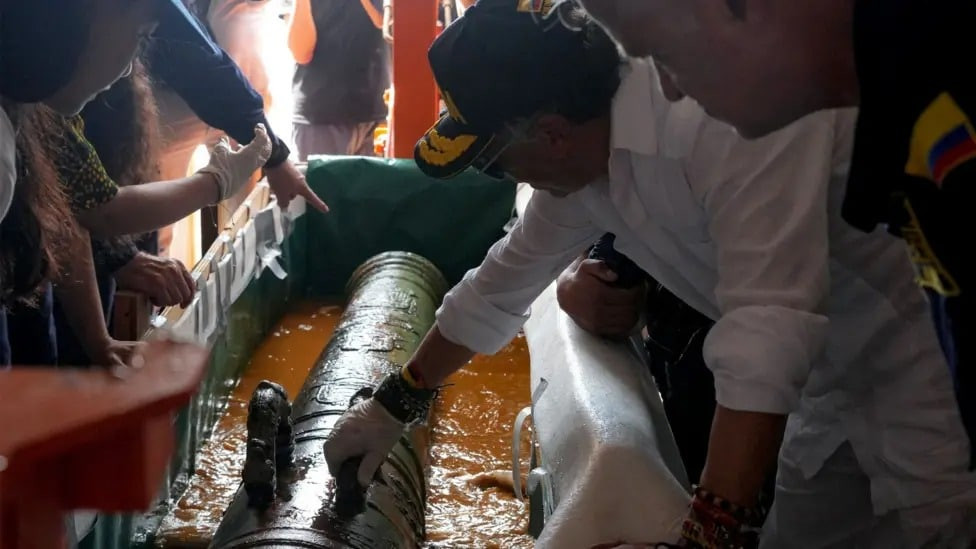
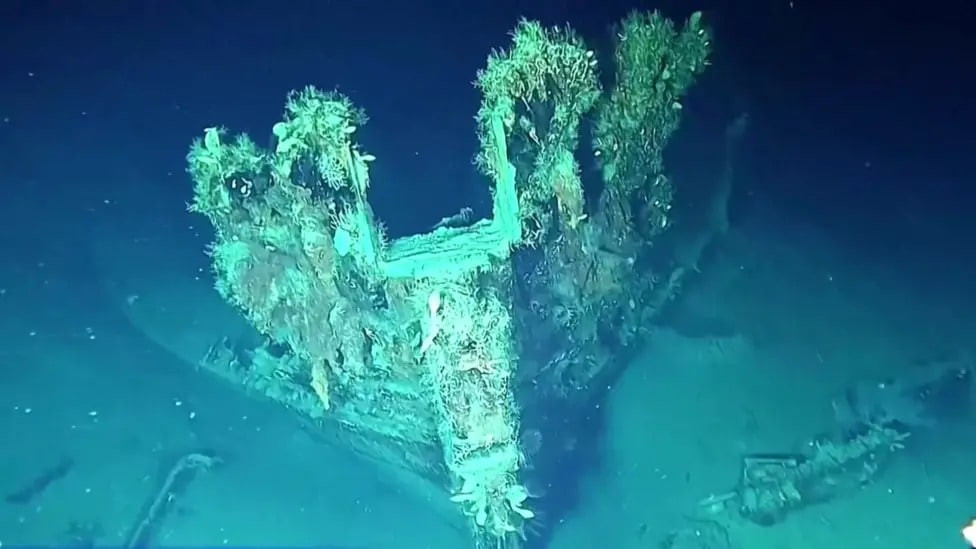
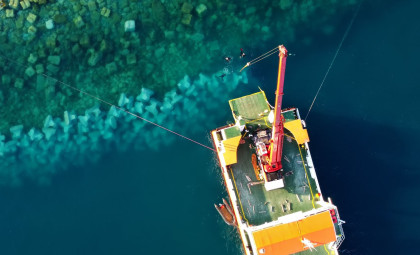
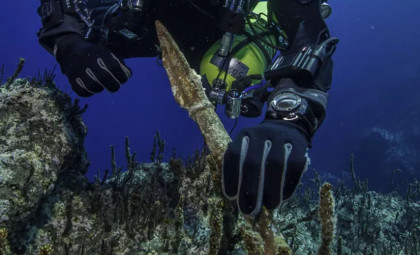
More than 300 years after the San José sank in the Caribbean Sea, Colombian researchers have successfully retrieved the first artifacts from this famed shipwreck. In November 2025, a government-backed mission recovered a bronze cannon engraved with “Sevilla,” a delicate porcelain cup, and three hand-minted gold coins called macuquinas. This retrieval took place from November 16 to 18 utilizing remotely operated underwater drones at nearly 2,000 feet deep near Cartagena’s coast.
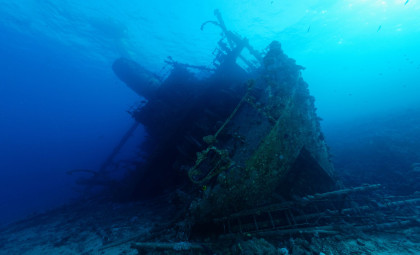
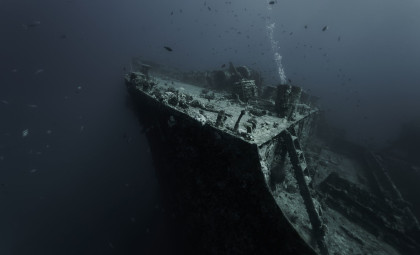
Considered the most valuable shipwreck ever discovered, the San José went down in 1708 while transporting treasure—gold, silver, and emeralds—originating from Spanish colonies in the Americas and destined for King Philip V of Spain. It sank shortly after engaging with the British Royal Navy during the War of the Spanish Succession. Present-day estimates value the lost cargo around $20 billion, turning the shipwreck into a high-stakes subject of international claims, legal disputes, and scholarly interest.
The San José: A Colonial Era Fleet Vessel Lost in Battle
Historical documents confirm the San José as an element of the Flota de Tierra Firme, a Spanish fleet departing from Peru in 1707 with valuable royal goods. The vessel never completed its voyage, as British naval forces intercepted and sank it off Cartagena in 1708, carrying approximately 11 million gold and silver coins and prized emeralds meant for the Spanish monarch.

The Colombian Navy, collaborating with the Woods Hole Oceanographic Institution (WHOI), discovered the wreck in November 2015, with a public announcement following shortly after. WHOI revealed in 2018 that its autonomous underwater vehicle positively identified the galleon by unique features such as its cannon design. Colombian authorities established the site as a protected archaeological zone, but formal excavation plans were postponed until March 2024.
In May 2025, researchers published work in the journal Antiquity employing photogrammetry to generate 3D models of coins photographed in place. This study uncovered a Jerusalem cross emblem, heraldic symbols from Castile and León, and mint marks indicating production in Lima, Peru, in 1707, confirming the ship's identity and the sinking timeframe.
Artifacts from the Initial Salvage Operation
The recently recovered objects include the bronze cannon inscribed with “Sevilla,” a porcelain cup, three hand-struck gold coins (macuquinas), and two porcelain shards. This initiative was executed collaboratively by the Colombian Navy, Ministry of Culture, ICANH, and the Maritime Directorate (DIMAR). The artifacts were unveiled on November 19, 2025, in Cartagena, marking the start of the second project phase, dubbed “Towards the Heart of the San José Galleon.”
Culture Minister Yannai Kadamani Fonrodona hailed the recovery as a milestone underscoring Colombia’s commitment to safeguarding its submerged cultural heritage. ICANH director Alhena Caicedo Fernández highlighted that these findings allow the public to connect directly with the galleon’s story through tangible relics. Currently, conservation efforts are underway, aimed at preserving the artifacts for further archaeological study.
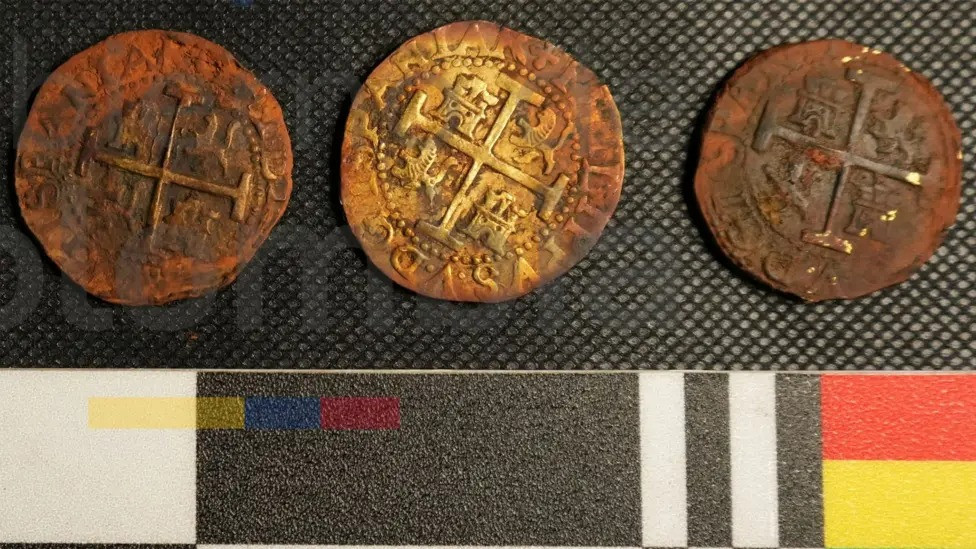
A 2024 survey using remotely operated vehicles mapped additional items at the site such as anchors, glass containers, ceramic vessels, and scattered gold artifacts. The Colombian government has announced intentions to exhibit these finds in a planned shipwreck museum in Cartagena. President Petro’s administration insists the mission is scientific rather than commercial salvage.
Ongoing Legal Battle Over a Treasure Valued at $10 Billion
The salvage unfolds amid a complex international legal dispute. The U.S.-based salvage firm Sea Search Armada (SSA), formerly Glocca Morra, claims it first located the wreck in 1982 and demands roughly $10 billion—about half the treasure’s estimated worth—via the Permanent Court of Arbitration in The Hague. Legal proceedings launched in December 2022 and continue without resolution.
SSA’s argument is based on investor rights under the U.S.–Colombia Trade Promotion Agreement, not cultural heritage claims. The company asserts Colombia breached the treaty by denying recognition and financial benefits from its prior discovery. Colombia counters that the wreck lies within its territorial waters, represents national underwater cultural heritage, and officially located the shipwreck with international scientific collaboration in 2015.
Colombia has not ratified UNESCO’s 2001 Convention on the Protection of Underwater Cultural Heritage, which could have offered legal mechanisms emphasizing shared cultural values instead of financial stakes. Consequently, the dispute hinges on the arbitration panel’s interpretation of trade agreements, potentially setting an important precedent for similar future cases involving historic shipwrecks and commercial interests.
Colombia’s Stewardship of a Colonial Legacy
Spain has periodically shown interest in the San José, due to its Spanish flag and cargo destined for the Spanish crown. However, Colombia views the wreck as part of its own national heritage and colonial history, emphasizing that the treasure originated from resources extracted in Latin America. Recovering these artifacts within Colombian boundaries carries far different significance than repatriating them to Spain or resolving ownership through commercial negotiation.
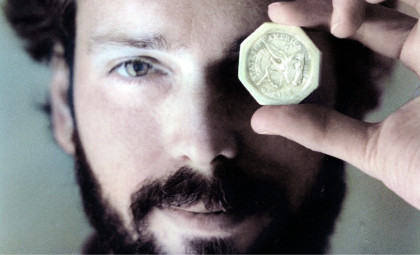
ICANH researcher Daniela Vargas Ariza, who spearheaded the coin imaging study, explained that the Tierra Firme Fleet held exclusive rights to transport royal treasures between South America and Iberia. The macuquinas coins recovered were hand-stamped with irregular shapes and served as primary currency throughout the Americas for over two centuries. Physical recovery of these coins brings new depth beyond photographic evidence alone.
The items currently in Colombian custody represent only a small fraction of the estimated treasure still resting on the ocean floor. Work on the project’s second stage is in progress and will proceed according to rulings from the Permanent Court of Arbitration.
- Categories:
- News


0 comments
Sign in to Comment