
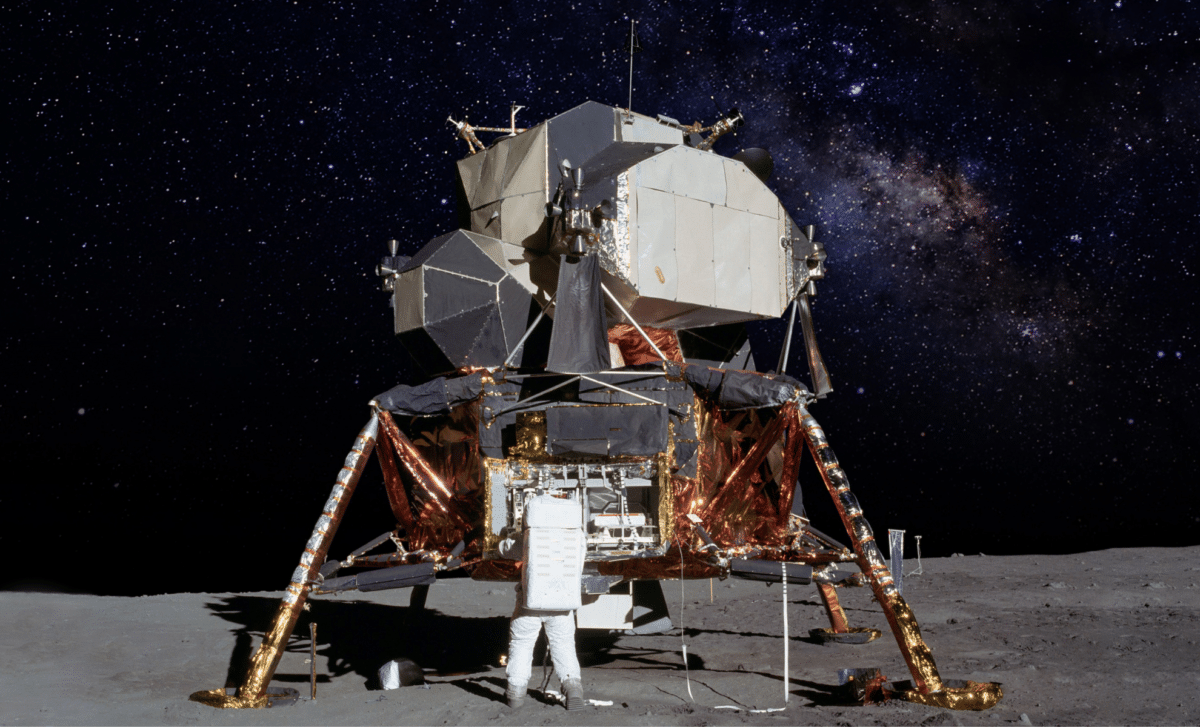
Upcoming human and robotic expeditions to the lunar surface risk disrupting important scientific evidence related to the emergence of life, a recent study in the Journal of Geophysical Research: Planets reveals. Experts caution that lunar dust displacement and spacecraft interactions might alter long-preserved sites crucial for uncovering how organic compounds formed across the solar system.
Explorations Might Alter Billions-Year-Old Lunar Archives
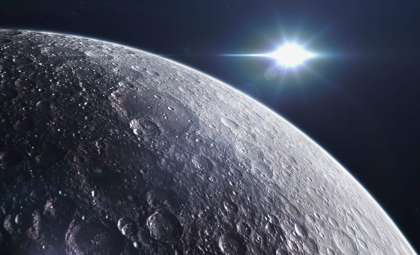
The Moon serves as a nearly untouched repository for the earliest planetary history because its landscape lacks Earth's dynamic processes such as wind, water, or tectonics. This stability helps safeguard ancient extraterrestrial materials deposited over millennia.
The study delves into the effects of spacecraft-induced surface disturbances, like dust lofted during landing and exploration, on this delicate environment. Researchers warn that such disruptions could introduce human-made contaminants and change sites potentially preserving critical clues about the chemical origins of life.

Published in the Journal of Geophysical Research: Planets, the research models how dust and particles displaced by landers and rovers might propagate across the Moon's surface, altering undisturbed zones.
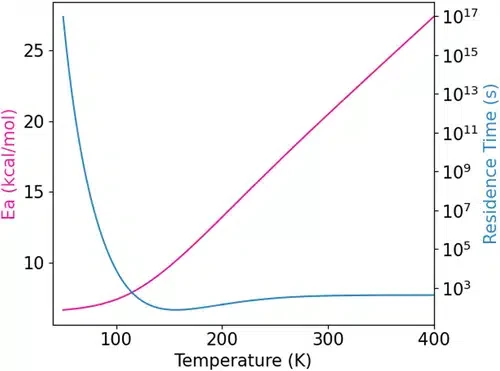
Senior author Silvio Sinibaldi, planetary protection officer at the European Space Agency, emphasized that safeguarding lunar environments is key for preserving scientific discovery opportunities. “Ensuring protection helps us secure the integrity of space science,” Sinibaldi remarked. “Human activity, if unchecked, may hinder future scientific findings.”
The issue is less about individual missions wiping out evidence and more about how repetitive visits to the same spots might blend natural lunar materials with terrestrial contamination, complicating future research.
Lunar Dust Movement Is Complex Following Spacecraft Disturbances
The investigation underscores the unique ways lunar dust shifts after being agitated. Unlike Earth, where atmospheric forces redistribute particles, the Moon’s lack of an atmosphere means dust follows unusual trajectories once lofted.
Lead researcher Francisca Paiva, a physicist from Instituto Superior Técnico in Portugal, explained that lunar particle displacement is dictated by straightforward physical principles but results in unpredictable surface coverage.
“Their trajectories are basically ballistic,” Paiva said in the statement. “They just hop around from one point to another.”
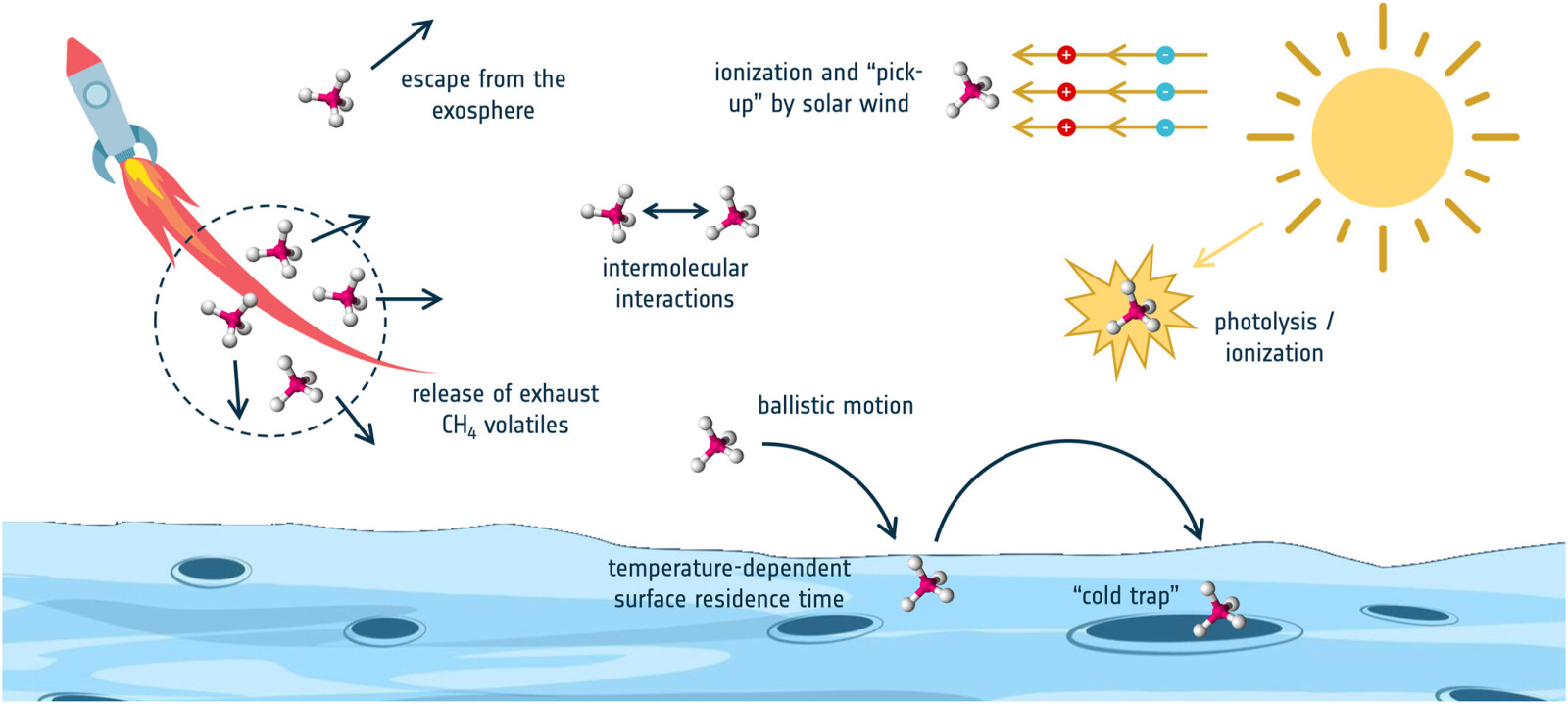
This mechanism enables dust stirred up by landings to travel far beyond the vicinity of spacecraft, expanding human influence as missions proliferate, potentially contaminating untouched regions planned for scientific study.
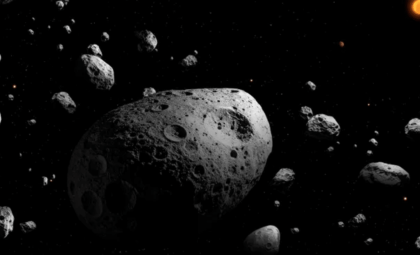
Scientists are especially keen to protect locations preserving relics from the early solar system, including asteroid-delivered materials possibly encoding organic compounds essential for understanding prebiotic chemistry.
“Organic molecules exist in various solar system bodies, like asteroids,” Sinibaldi noted. “However, how these molecules developed the properties key to biological function remains a vital mystery.”
Increasing Focus on Preserving Unique Lunar Environments
As nations and private enterprises gear up for upcoming Moon campaigns, such as NASA’s Artemis program, balancing scientific preservation with exploration grows more urgent. Planned lunar bases and commercial projects heighten the stakes.
Scientists advocate for integrated strategies that harmonize lunar exploration with protection. The Moon is not only a frontier for human presence but also a rare vault of planetary history.
Paiva likened lunar safeguards to terrestrial conservation laws protecting critical habitats like Antarctica and national parks. “The Moon deserves similar protective measures given its scientific value,” she said.
Recommended approaches include designating specific landing sites, implementing contamination protocols, and setting aside protected regions to maintain the lunar surface’s integrity for future research.
Such precautions will become increasingly crucial as the rate of Moon landings accelerates. Every mission offers discovery potential while also presenting contamination risks.
Balancing Exploration Ambitions With Scientific Integrity
The conversation about lunar stewardship reflects a broader dilemma confronting space sciences: how to pursue exploration without undermining the pristine knowledge embedded in celestial surfaces.
The Moon is an exceptional platform for studying planetary formation, impact history, and chemical evolution, possibly illuminating life’s precursors before Earth fostered biology.
Though ongoing missions will inevitably alter portions of the lunar environment, strategic planning can minimize damage. Protecting select zones ensures future explorers can access unspoiled materials with enhanced scientific certainty.
As humanity embarks on renewed ventures beyond Earth, the lasting challenge lies in balancing exploration progress with conserving invaluable extraterrestrial archives. Preserving fragments of the Moon’s ancient record is essential for unraveling the origins of life.
- Categories:
- Astronomy





0 comments
Sign in to Comment