
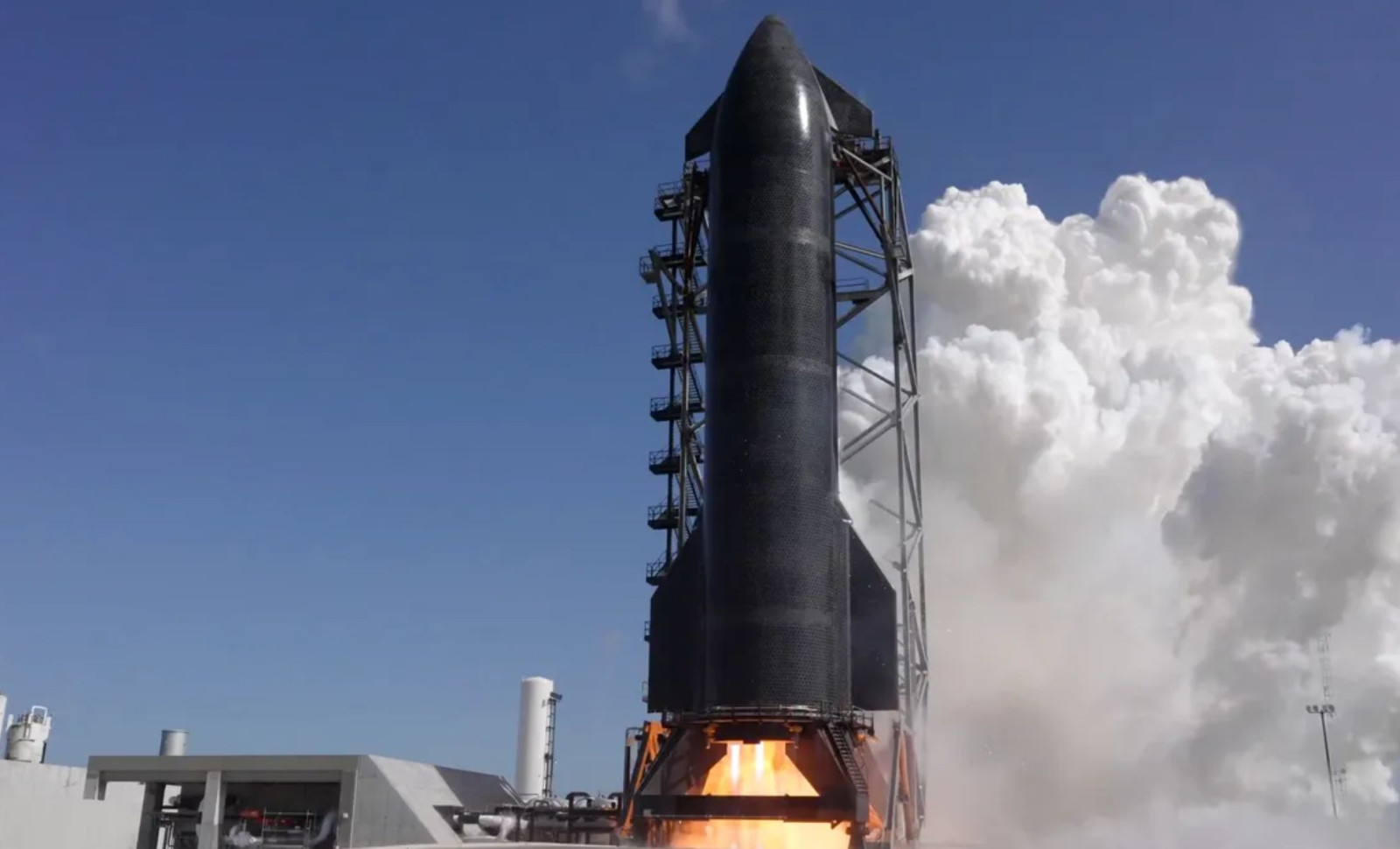
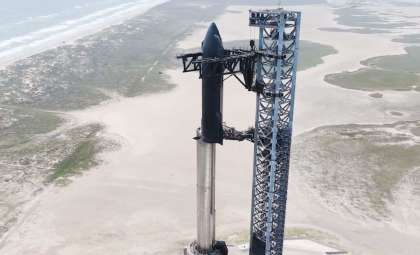
SpaceX is targeting as soon as July 16 for the launch of Starship Flight 13, a crucial mission that might rank among the company’s most important test flights yet. Engineers at SpaceX have pinpointed the series of malfunctions responsible for the last launch failure and implemented several hardware and software updates to stop those problems from repeating. This upcoming flight will not only revisit several incomplete goals from Flight 12 but also deploy the inaugural fully operational Starlink V3 satellites launched aboard the Starship, marking a vital step toward regular operations for the rocket.
The Significance of Flight 13 Compared to Previous Starship Tests
Each Starship launch pushes the capabilities of the world’s largest rocket, yet Flight 13 carries exceptional importance. Instead of launching a novel mission type, SpaceX plans to complete objectives left unfinished during Flight 12. This approach aligns with the company’s philosophy of building reliability before increasing mission complexity. The latest version, known as Version 3 (V3), is larger and stronger but revealed vulnerabilities during its maiden flight that engineers sought to fully address before advancing further.
Achieving success with Flight 13 would confirm correction of those issues and affirm the enhancements integrated into this version of the rocket. The mission also offers a chance to refine SpaceX’s rapid iteration strategy, where every launch generates critical data to inform future designs. A smooth Flight 13 would pave the way for more ambitious targets this year, potentially including attempts to recover both rocket stages on-site and eventually test orbital insertion.

Starship’s thirteenth flight test is preparing to launch as early as Thursday, July 16 → https://t.co/Rp7VwBzpWx pic.twitter.com/jdpFlQUEpF
— SpaceX (@SpaceX) July 11, 2026
SpaceX Clarifies Flight 12 Failure Causes
After a thorough internal review, SpaceX disclosed that Flight 12’s issues arose from multiple interconnected technical faults rather than a single error. The investigation identified an unintended 90-degree orientation shift of the Super Heavy booster post-separation caused by a changed ignition sequence in the upper Ship engines during hot-staging. This misalignment hindered the boostback maneuver, while five out of thirty-three Raptor engines on the booster failed to relight, cutting short the burn needed for a precise splashdown in the Gulf of Mexico.
Engineers have since revised the Ship’s engine start sequence, enhanced the booster’s hardware, and refined engine monitoring and abort protocols based on data from multi-engine operations. The upper stage lost one vacuum-optimized Raptor shortly after separation, preventing an in-space restart demonstration despite the successful suborbital trajectory. Identifying root causes allowed SpaceX to implement further reliability upgrades for Flight 13.
Flight 13 to Launch Advanced Starlink Satellites
A major highlight of Flight 13 is its role in deploying 20 fully operational Starlink V3 satellites, marking the first time this latest generation joins the Starship payload. These satellites aim to boost bandwidth and network speed, advancing SpaceX’s goal of expanding global internet access. Additionally, six of the satellites are equipped with cameras to inspect Starship’s thermal protection and exterior in flight, building on technologies first tested in Flight 12.
Since Flight 13 follows a suborbital path, all satellites are expected to reenter and burn up within about twenty minutes after deployment. This flight primarily serves as a validation test for deployment mechanisms and spacecraft systems as opposed to expanding the live Starlink network. Still, the data collected will be invaluable for future orbital missions that could launch dozens of operational satellites at once.
Flight 13 as a Gateway to Greater Achievements
This mission is a critical milestone toward SpaceX’s vision for a fully reusable space transport system capable of supporting lunar and Martian expeditions. The goals include clean stage separation, successful Super Heavy boostback burn, accurate splashdown in the Gulf of Mexico, deployment of the Starlink satellites, in-space Raptor engine restart, and controlled upper stage splashdown in the Indian Ocean.
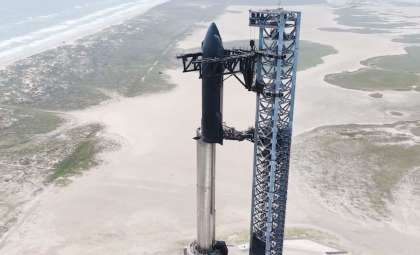
The Federal Aviation Administration (FAA) completed its review of Flight 12 anomalies and approved SpaceX’s corrective measures before granting Flight 13 clearance. If the upgraded systems perform as expected, subsequent missions may aim to recover a Version 3 Super Heavy booster via the giant Mechazilla launch tower, speeding progress toward rapid reusability. Looking ahead, Starship remains a cornerstone of NASA’s Artemis program, with a lunar variant slated to support crewed missions. Flight 13 thus stands as a pivotal technical trial shaping the future of crewed space exploration.
- Categories:
- Space




0 comments
Sign in to Comment