
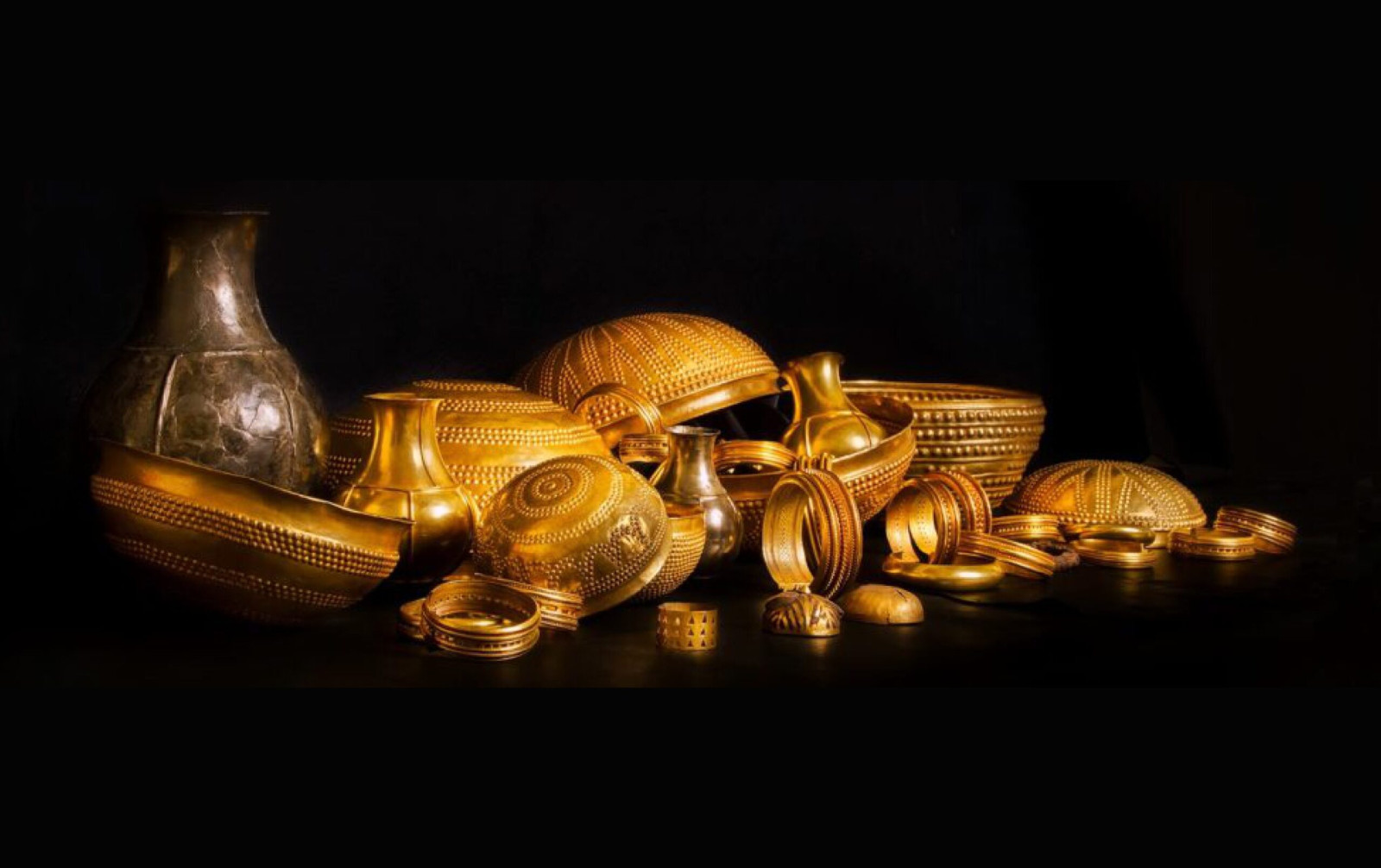
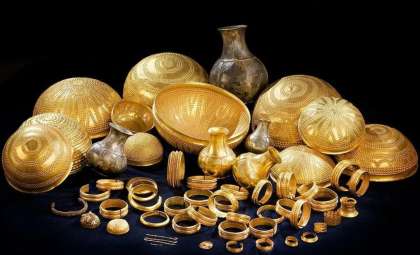
Concealed within a modest museum in southeastern Spain, a Bronze Age treasure trove has intrigued researchers for years. Known as the Treasure of Villena, this assemblage includes 66 artifacts mainly crafted from gold and silver, alongside a handful of iron pieces whose origins baffled experts for decades. Displayed behind sealed glass, bracelets, necklaces, and tiny decorative vessels shimmer softly, preserving the aura of a 3,000-year-old ceremonial hub. The unique makeup and craftsmanship of the hoard have drawn global scholarly interest, particularly focusing on its extraordinary meteoritic iron elements.
The treasure’s distinctiveness lies not only in its exquisite appearance but also in its unusual metallurgical traits. The iron artifacts differ markedly from later Iron Age terrestrial iron implements. These small, smoothly polished pieces demonstrate exceptional resistance to rust, indicating a special metallic composition. Initially catalogued as rare ancient iron objects without clear provenance, subsequent in-depth studies confirmed that at least two of these items were fashioned from meteoritic iron, linking their material to celestial origins.
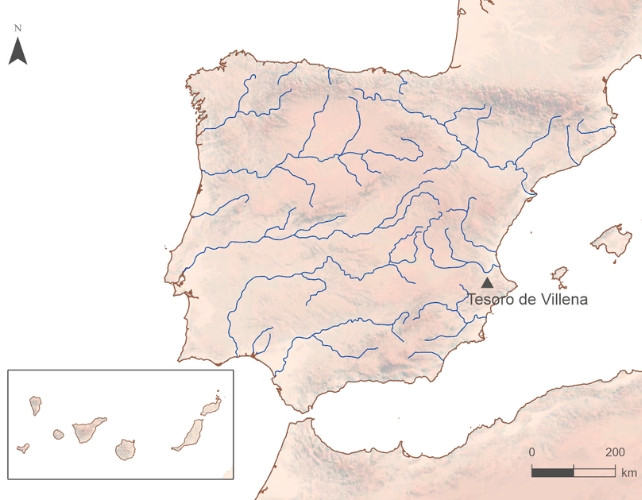
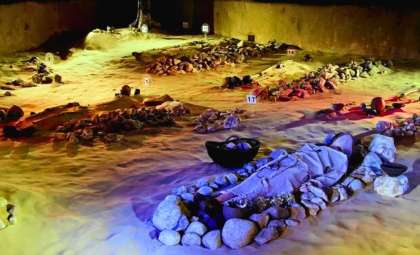
The hoard was unearthed in 1963 during foundation work near Villena, Alicante province, Spain. Currently preserved at the Archaeological Museum “José María Soler”, the collection is recognized as one of the premier prehistoric metal deposits in the western Mediterranean. Dating to approximately 1400–1200 BC, the artifacts come from a time when bronze reigned supreme in weaponry and tools, and iron was a rare commodity. The museum arranges the 66-piece collection to illustrate the importance of metal in Late Bronze Age culture.

Cosmic Origins Uncovered in Bronze Age Relics
The discovery breakthrough was achieved by a group led by Salvador Rovira-Llorens of the Instituto de Historia at the Consejo Superior de Investigaciones Científicas (CSIC) in Madrid. Their research centered on two iron artifacts from the hoard: a delicate bracelet and a hollow hemispherical object thought to be decorative.
Employing mass spectrometry and other advanced analysis methods, the team scrutinized the nickel composition and elemental makeup of these metals. Their findings, later shared in a widely accessible article, explained how the meteoritic iron fragments were likely regarded as precious materials with significant status value.
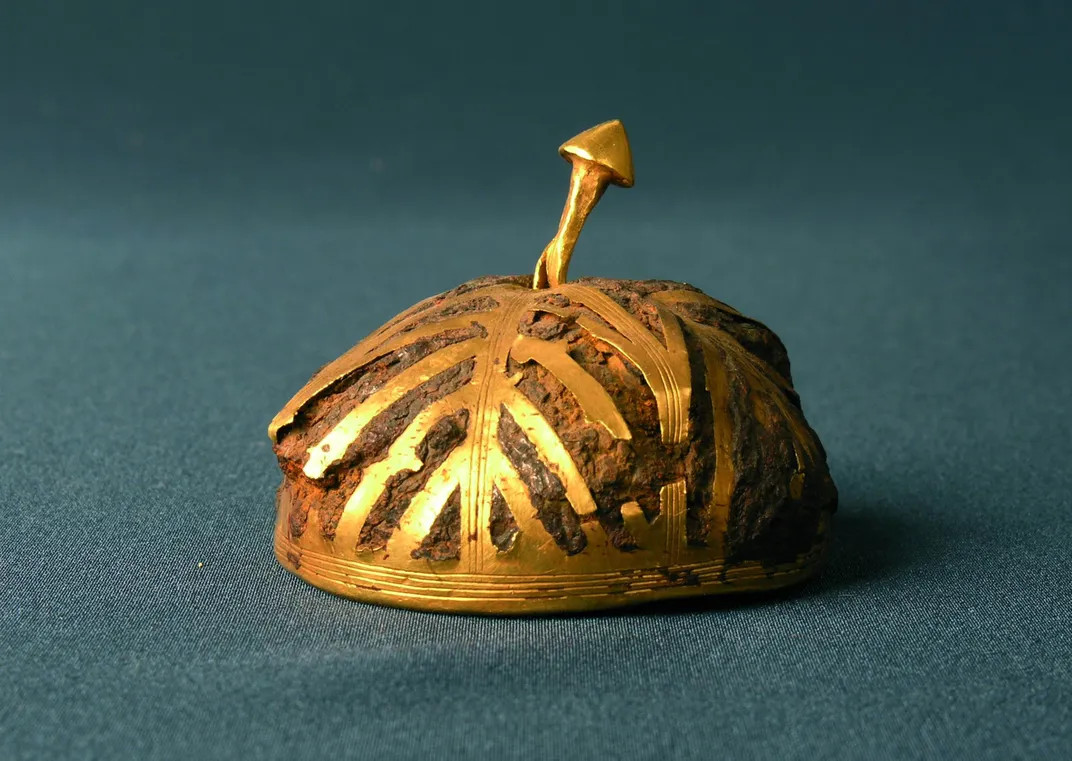
The chemical analysis demonstrated that the iron was not of local geological origin but contained a nickel signature typical of meteoritic iron — debris from a meteorite impact. These two artifacts represent the earliest known instance of meteoritic iron usage on the Iberian Peninsula, implying that Bronze Age metallurgists either sourced or recycled a rare extraterrestrial metal to create high-status objects.
Published in Trabajos de Prehistoria, the paper emphasizes, “These cap and bracelet pieces might be the earliest meteoritic iron objects identified in the Iberian Peninsula, dating to the Late Bronze Age, before common use of terrestrial iron.”
This discovery places the Villena hoard alongside iconic meteoritic iron artifacts, such as the dagger found in King Tutankhamun’s tomb, supporting the view that ancient societies across Eurasia and North Africa sometimes incorporated cosmic iron into symbolic or luxury objects.
Moreover, this sheds light on the sophisticated metallurgical skills developed before the Iron Age despite limited terrestrial iron sources. Public dissemination of the research has further elevated interest in the museum and the significance of metalworking innovations during Spain’s Late Bronze Age.
The Craftsmanship Behind Space Metal Artifacts
The small bracelet and hemispherical item exhibit intricate crafting. The bracelet bears marks of meticulous hammering and shaping, while the hemispherical piece has a sleek, mirror-like finish that reflects light similarly to polished metals. Their corrosion resistance likely contributed to their exceptional preservation, making these iron objects visually striking beside the more abundant gold and silver artifacts in the Villena collection.
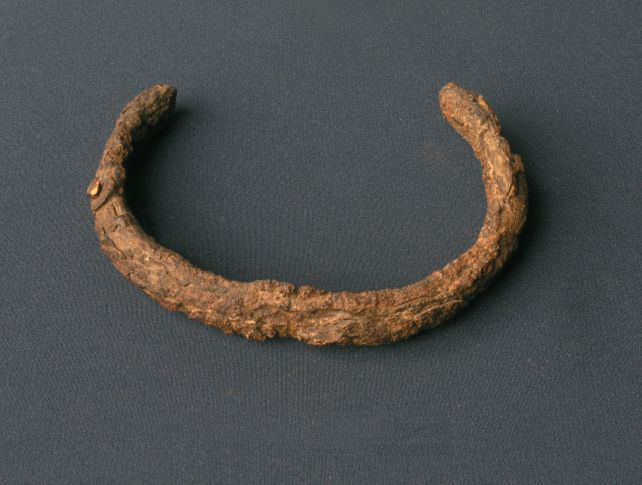
To confirm their meteoritic origin, the research team compared their chemical profile with both known meteorite compositions and regional iron ores. The high nickel concentration and specific trace elements matched those of iron meteorites—fragments from the cores of small celestial bodies that never became full planets. Such iron-nickel alloys could be fashioned by skilled Bronze Age artisans, making the Villena hoard a landmark example of early cosmic metal utilization.
This revelation adds a fresh dimension to understanding the treasure: it was not merely a collection of precious metals but contained at least two artifacts made from extraordinary extraterrestrial material. Late Bronze Age communities in the region might have accessed meteorite fragments through direct finds or Mediterranean trade routes. Although the metal’s precise origin was probably unknown, its distinct look and durability likely made it highly prized for ceremonial or prestigious uses.
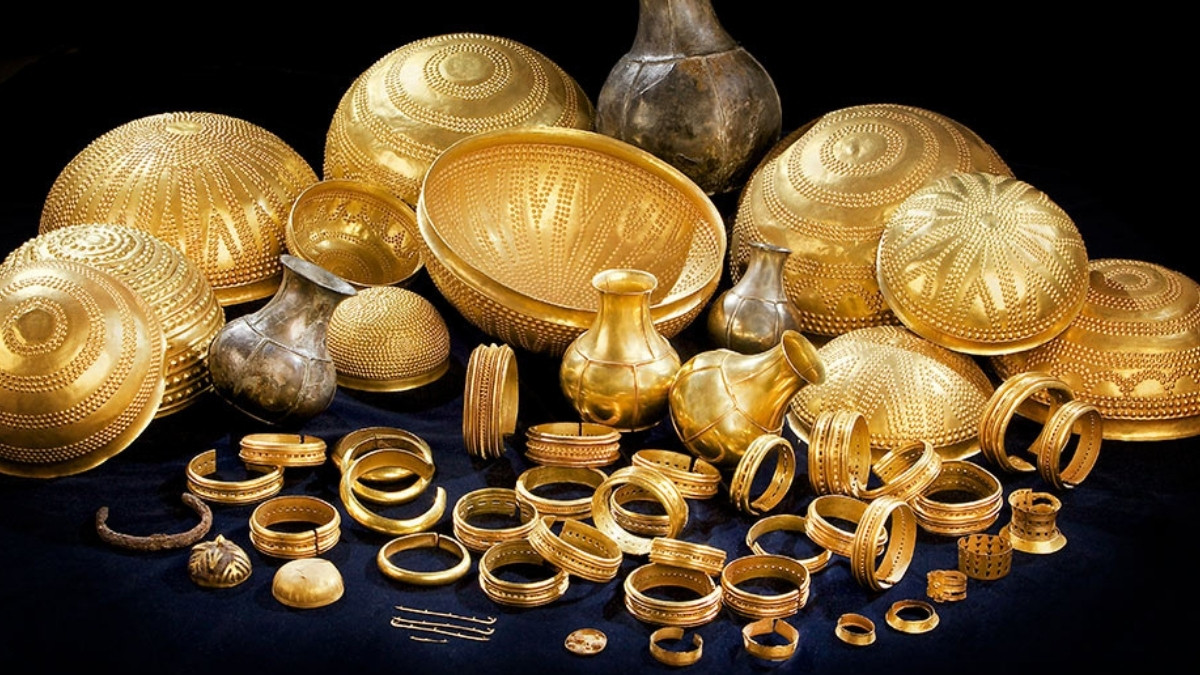
The Villena hoard includes 21 gold artifacts, 27 silver items, 18 amber beads, and these two iron pieces, all discovered together in a deliberate burial. The arrangement suggests ritualistic or social significance behind their deposition. Visitors to the Archaeological Museum “José María Soler” can explore this remarkable treasure, where in two small pieces, the Bronze Age directly connects to the stars.
- Categories:
- Science



0 comments
Sign in to Comment