
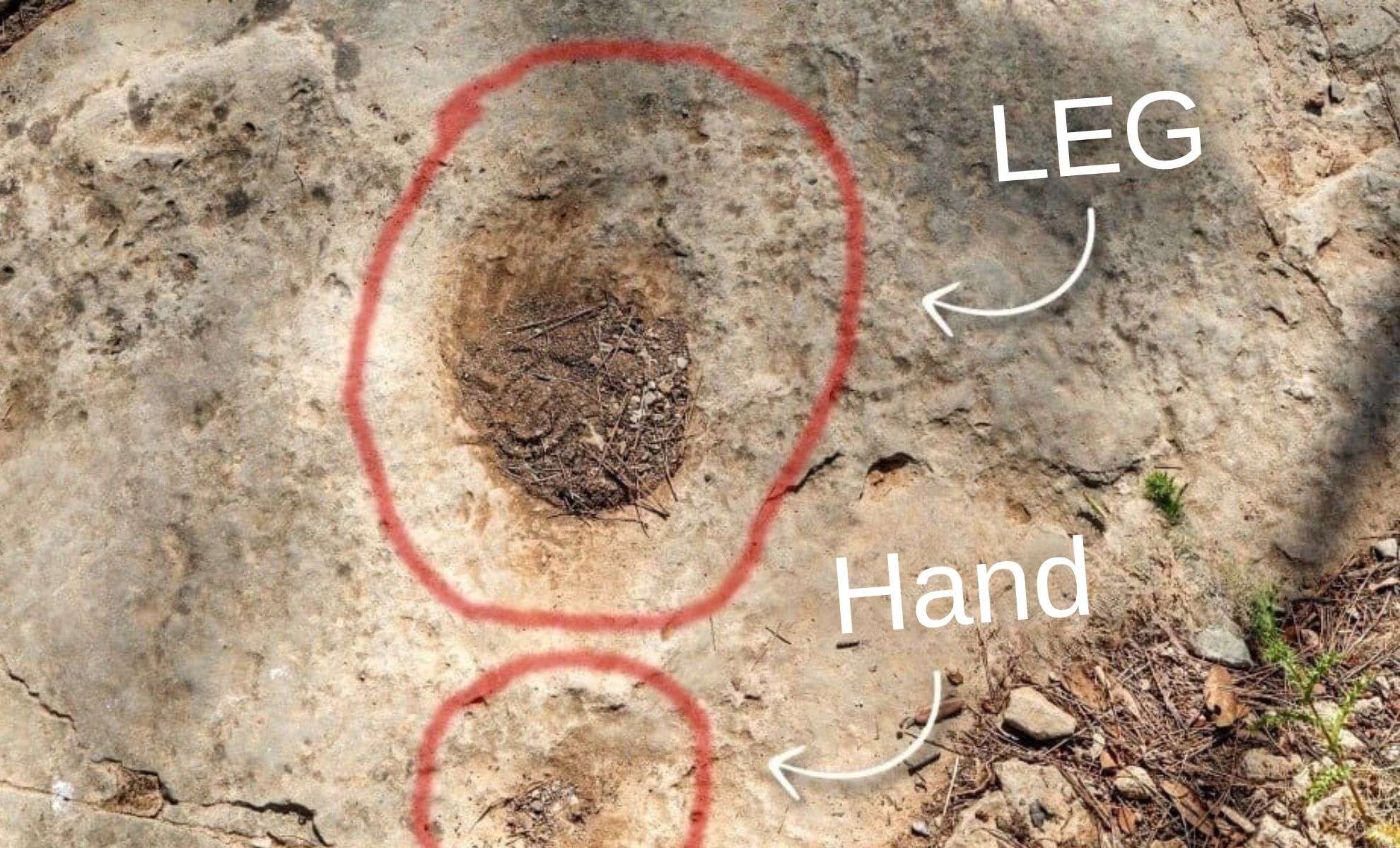
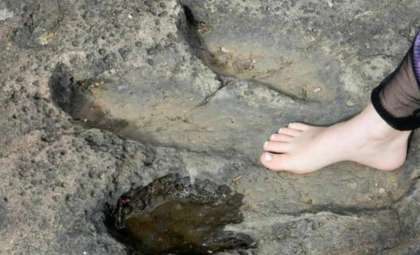
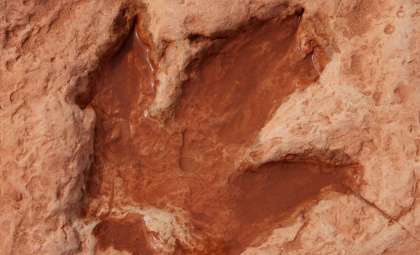
Deep within the forests surrounding Gréasque, a quaint town in the Bouches-du-Rhône region of southern France, paleontologists have made an extraordinary find dating back to the Late Cretaceous era. This landmark discovery consists of fossilized footprints and handprints—the first confirmed dinosaur track evidence ever recorded in this locale, which is already famed for its rich fossil heritage.
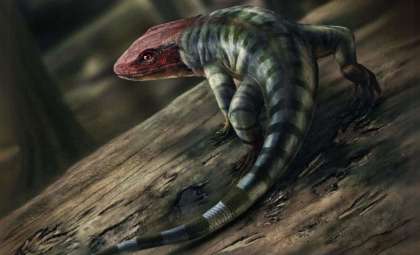
While the nearby Sainte-Victoire mountain slopes have yielded many dinosaur eggs over time, no traces of footprints had previously been verified. Positioned at an estimated 80 million years old, the imprints have been identified as belonging to the herbivorous genus Rhabdodon, dinosaurs known to reach sizes of three to four meters long.
From a Hiker’s Snapshot to Scientific Breakthrough
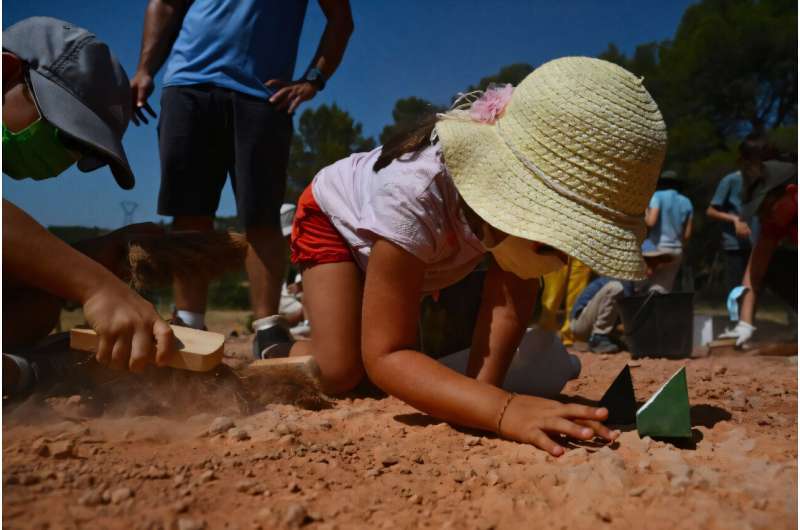
The discovery originated from a hiker’s observation in 2018 near the village of Fuveau. Spotting an unusual rock pattern, the hiker shared a photo with local researchers. Paleontologist and Sainte-Victoire Nature Reserve curator Thierry Tortosa promptly recognized the marks as potential dinosaur footprints.

As reported by the French publication La Provence, Tortosa organized a field search to locate the photographed site. Although the original rock formation remained elusive, the search yielded surprising results. Nicolas Bertucceli, an eco-guide and experienced trail runner affiliated with the Maison de la Sainte-Victoire, participated in the expedition. While he couldn’t find the specific prints from the 2018 photo, he uncovered distinct fossilized tracks within Gréasque’s territory.
Unique Discovery in the Bouches-du-Rhône
The footprints encompass both foot and hand impressions, indicating the dinosaur walked on all fours. Tortosa emphasizes this as the first instance of such quadrupedal tracks being documented in the Bouches-du-Rhône area. He also points out that, unlike some debated and less certain dinosaur tracks found in the adjacent Var department, these tracks are unequivocally identified.
The excellent state of preservation and the clear presence of both pedal and manual prints make this finding exceptionally valuable. This dual impression provides researchers with enhanced insights into the dinosaur’s movement and physical traits.
Significance for Regional Fossil Studies
Though the precise locations and count of the tracks remain confidential, the discovery significantly enriches the region’s paleontological archives. It broadens our understanding of the Rhabdodon’s range and reinforces southern France’s importance as a hotspot for Late Cretaceous fossils.
- Categories:
- Science



0 comments
Sign in to Comment