
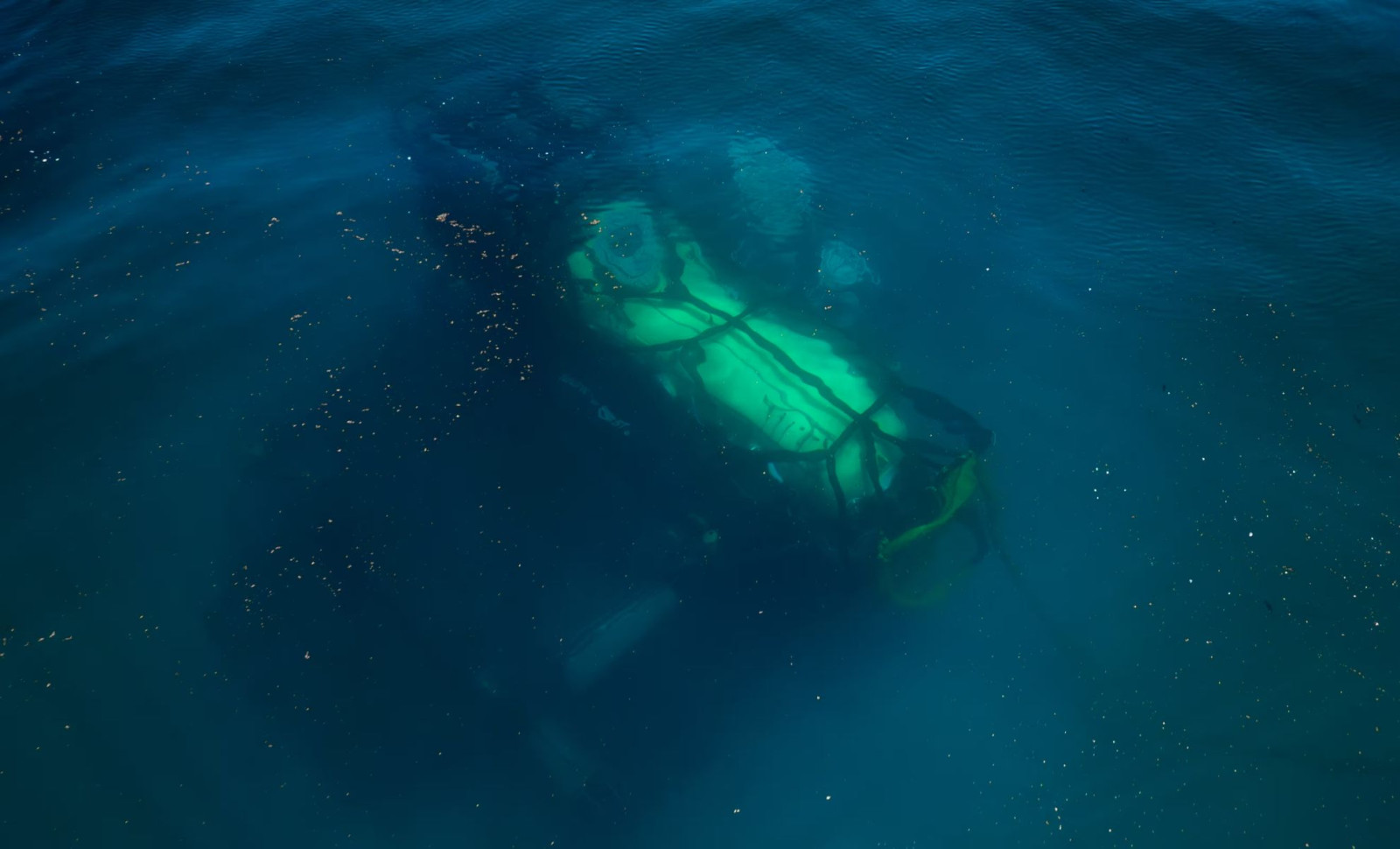
Though seabed living once seemed like a concept confined to fiction, it has become a tangible reality in the Florida Keys. The underwater habitat Vanguard, developed by DEEP, is now up and running, set to host its first group of aquanauts for immersive oceanic research.
Situated 17 meters (56 feet) beneath the waves at Tennessee Reef within the Florida Keys National Marine Sanctuary, Vanguard provides scientists the ability to remain submerged for multiple days, eliminating the need for frequent surface dives. This habitat represents the inaugural operational initiative of DEEP, an ocean engineering company established in 2021.
Among the initial occupants is DEEP’s scientific research lead, Dawn Kernagis, known for her involvement in NASA’s NEEMO 21 mission and her expertise in human physiology under extreme conditions.

Bridging the Gap Between Lab and Ocean
Marine biologists often encounter challenges when specimens are retrieved from the depths. Rapid pressure changes can alter cells and tissues, compromising the authenticity of the study specimens.
According to a statement from DEEP, this challenge inspired the creation of Vanguard, enabling researchers to analyze samples with minimal delay, preserving their natural underwater state.
“When a sample gets brought to the surface, it decompresses,” Dawn Kernagissaid. “So you’re not really seeing what that sample was like at depth.”
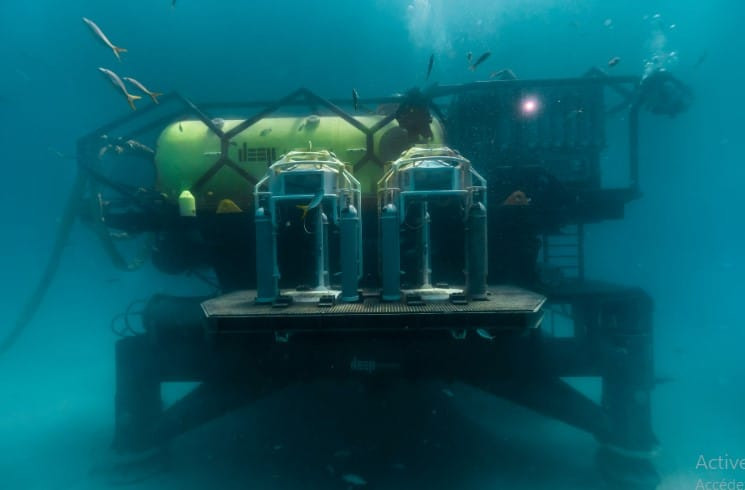
The habitat is equipped with sensors that monitor aquatic conditions around the clock, even during unoccupied periods. DEEP collaborates closely with the Florida Keys National Marine Sanctuary to ensure Vanguard supports both scientific exploration and ecological restoration of coral reefs.
Experiencing Life Beneath the Waves
Living within Vanguard requires precise management of pressure levels. Crew members descend via mini-submarines, entering the habitat pressurized to match the ocean’s depth. After sealing the habitat, pressure is gradually adjusted overnight until it aligns with standard atmospheric conditions.
Prior to surfacing, this decompression sequence is reversed. The habitat is repressurized, allowing occupants to exit through a moon pool—an underwater opening that offers direct access to the marine environment.
Vanguard accommodates saturation diving, which permits divers to remain under pressure for extended durations without the need for decompression after each excursion.
“It’s like you’ve been SCUBA diving for a really long time, and your tissues and your blood gets saturated with nitrogen,” Kernagis explained. “Once you’re saturated, you could stay down there for weeks, months at a time.”
Divers forgo traditional scuba gear in favor of an umbilical air supply connected to the habitat, enabling them to work underwater for several hours at a stretch.
A Scientific Hub Focused on Marine Research
Despite its innovative design attracting significant interest, Vanguard’s primary purpose is clear: facilitating research on both the local reef environment and the aquanauts themselves. DEEP is also exploring how divers might collaborate effectively with autonomous and remotely operated underwater vehicles.
“One of the things we’re really interested in looking at is human machine teaming,” Kernagis noted. “How do divers in the water intersect with robots.”
The initiative includes partners across subsea engineering, aerospace, defense, and underwater commercial sectors. Among them, Triton Submarines highlights potential future applications in recreational and commercial underwater habitation.
Currently, Vanguard serves exclusively as a scientific research station. DEEP’s Kernagis emphasized the partnership with the National Marine Sanctuary aims to maximize scientific output while aiding reef restoration projects.
- Categories:
- Science






0 comments
Sign in to Comment