
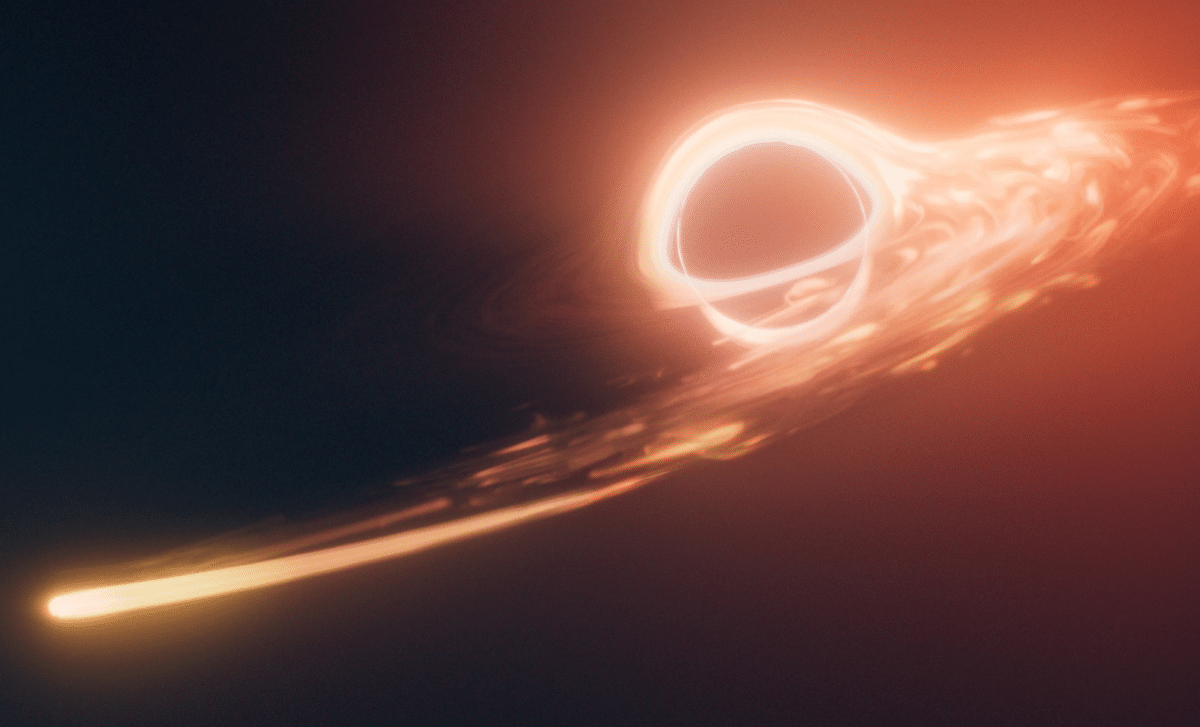
NASA’s forthcoming Roman Space Telescope is poised to revolutionize the detection of distant black holes by capturing thousands of energetic stellar destruction incidents throughout the cosmos. A study published this week in The Astrophysical Journal indicates that Roman could identify a previously unseen population of tidal disruption events (TDEs), shedding light on the formation and growth of smaller supermassive black holes over cosmic time.
Innovative Methods for Detecting Remote Black Holes
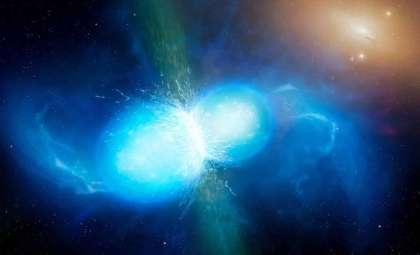
A black hole exerts powerful gravitational forces that can rip apart a nearby star in a process called a tidal disruption event. These rare but brilliant flashes enable astronomers to spot black holes that might otherwise remain hidden.
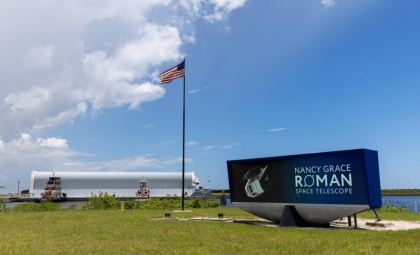
The team featured in the study, recently released in The Astrophysical Journal, explored how the Nancy Grace Roman Space Telescope could detect TDEs over far greater distances than previous instruments. Roman’s unique combination of expansive sky coverage and exceptional sensitivity promises a comprehensive survey of fleeting transient phenomena.

Principal investigator Mitchell Karmen from Johns Hopkins University studied how Roman might significantly broaden the catalog of black holes with masses millions of times that of the Sun. These entities are challenging to detect by conventional means, making Roman’s contributions particularly valuable.
“The Roman Space Telescope is going to be transformative for transient science,” said lead author Mitchell Karmen of the Johns Hopkins University, a graduate student and National Science Foundation Graduate Research Fellow. “Thanks to Roman’s high sensitivity, we can find multiple tidal disruption events out to greater distances and earlier cosmic times than ever before.”
Charting Black Hole Evolution Through Cosmic History
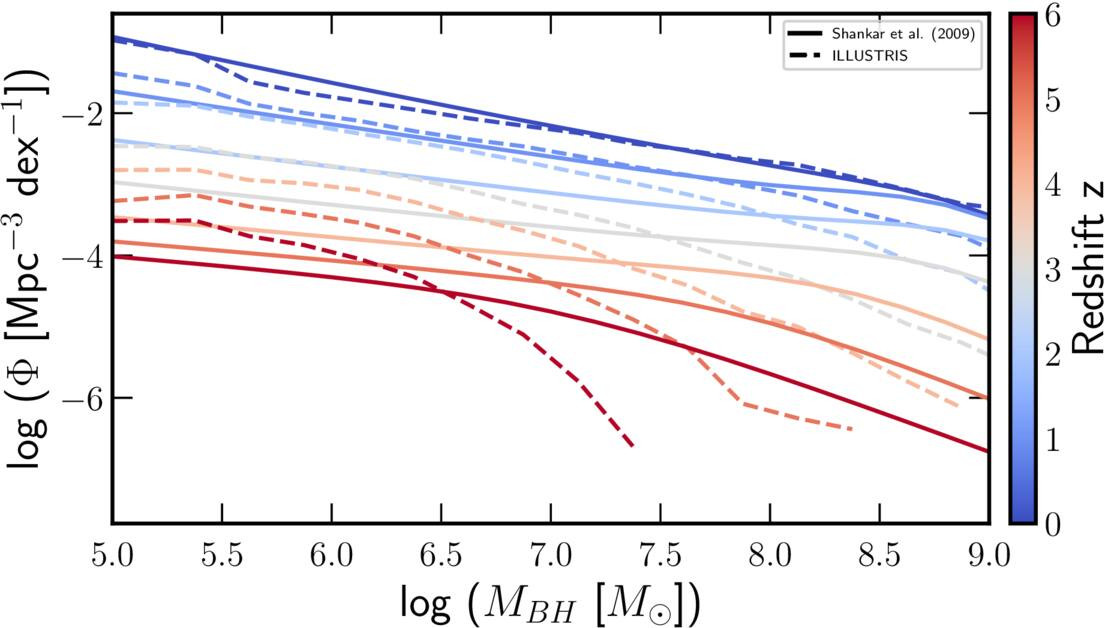
Increasing the number of observed TDEs offers researchers new opportunities to explore the growth patterns of black holes in the universe’s early epochs. Each detected event conveys details about the black hole’s size, surroundings, and position, providing novel insights into the concealed population of these cosmic giants.
The study emphasizes monitoring how the frequency of tidal disruption events changes with distance, which correspondingly tracks the evolution of black hole populations billions of years ago. Roman’s surveys could reveal statistical data on black holes too faint or isolated for other detection techniques.
“Just by counting the number of TDEs as a function of redshift, you can put meaningful constraints on the population of million-solar-mass black holes,” said co-author Suvi Gezari, an associate professor of astronomy at the University of Maryland. “Roman will be transformative in that it can probe tidal disruption events out to greater distances, so you can look at how the rate of TDEs evolves over time.”
Such observations could clarify longstanding mysteries about the origin of supermassive black holes, including whether they arise from smaller seed black holes or form through alternative channels in the early universe. Mapping these objects through time helps astronomers understand galaxy formation and the role of their central black holes.
Extending the Reach Beyond Present-Day Telescopes
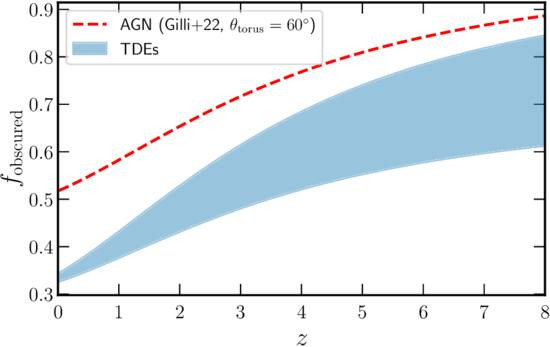
Existing space and terrestrial surveys have detected only a handful of tidal disruption events, mostly associated with nearby galaxies. The Roman mission will scan vast regions of the sky, enhancing the ability to catch transient occurrences that might otherwise go unnoticed.
Its observing programs will complement those of other flagship observatories like the James Webb Space Telescope. While Webb focuses on distant galaxies and early cosmic structures, Roman’s forte will be observing rapid cosmic phenomena, adding a new dimension to our cosmic views.
“Tidal disruption events help us probe the population of light supermassive black holes, which can help us discriminate between these models,” Karmen said.
The researchers anticipate that Roman will pioneer high-redshift transient astronomy, revealing black holes from earlier cosmic eras and enhancing understanding of their influence on galaxy evolution.
- Categories:
- News




0 comments
Sign in to Comment