
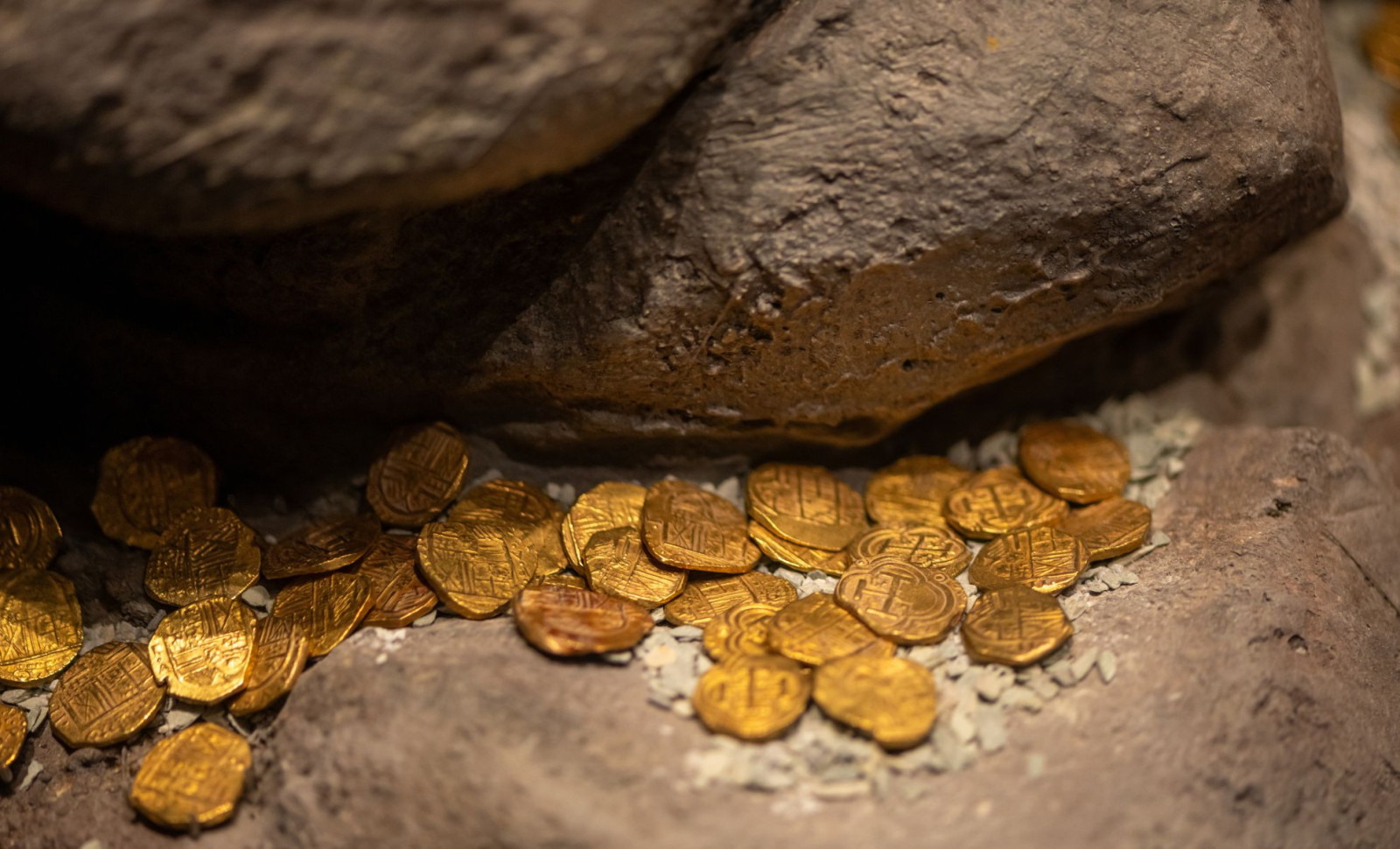
Excavations in northern Luxembourg have uncovered an extraordinary collection of Roman gold coins, shedding new light on the twilight years of the Roman Empire. The hoard, unearthed inside a centuries-old fortress, includes rare coins linked to Emperor Eugenius, a lesser-known ruler who briefly resisted the rise of Christianity within the empire.
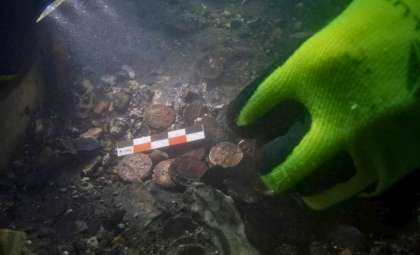
Recovered during digs conducted from 2020 to 2024 in the village of Holzthum, this treasure trove contains coins dated between 364 and 408 CE. According to Luxembourg’s National Institute for Archaeological Research (INRA), the coins were deliberately concealed amid the fort’s ruins during a turbulent era marked by political and religious conflict.
Insight into Emperor Eugenius’ Reign
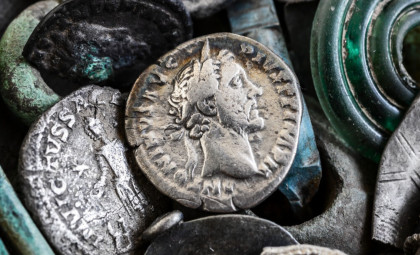
While many coins depict well-documented emperors familiar to historians, three standout pieces bear the image of Eugenius, who ruled the Western Roman Empire for a fleeting two years from 392 to 394 CE.

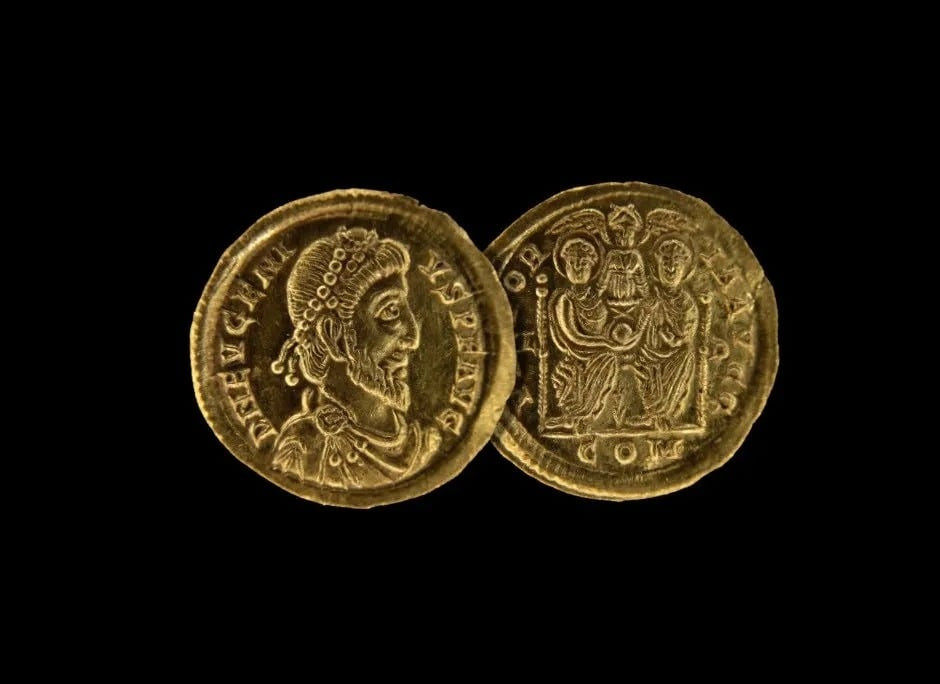
The coins featuring Eugenius are exceptionally rare, as noted in a translated statement from INRA. Eugenius ascended with backing from the Frankish general Arbogast during a chaotic period when Christianity was gaining dominance across Roman lands. Attempting to revive pagan customs, Eugenius clashed with the Eastern Roman Emperor Theodosius I.
The conflict culminated in the Battle of the Frigidus in 394 CE, where Eugenius was defeated and executed soon after. This defeat accelerated the spread of Christian influence throughout the empire. Due to his brief reign, artifacts connected to him are extraordinarily scarce today.
The Cache Remained Undisclosed for Years
Though the coins were unearthed several years ago, officials kept the find confidential while ongoing excavation work proceeded at Holzthum from 2020 to 2024.
The dig presented unusual difficulties since Luxembourg’s Army Mine Action Service had to intervene to clear unexploded World War II munitions and bombs discovered near the site, ensuring the safety of the archaeological teams.
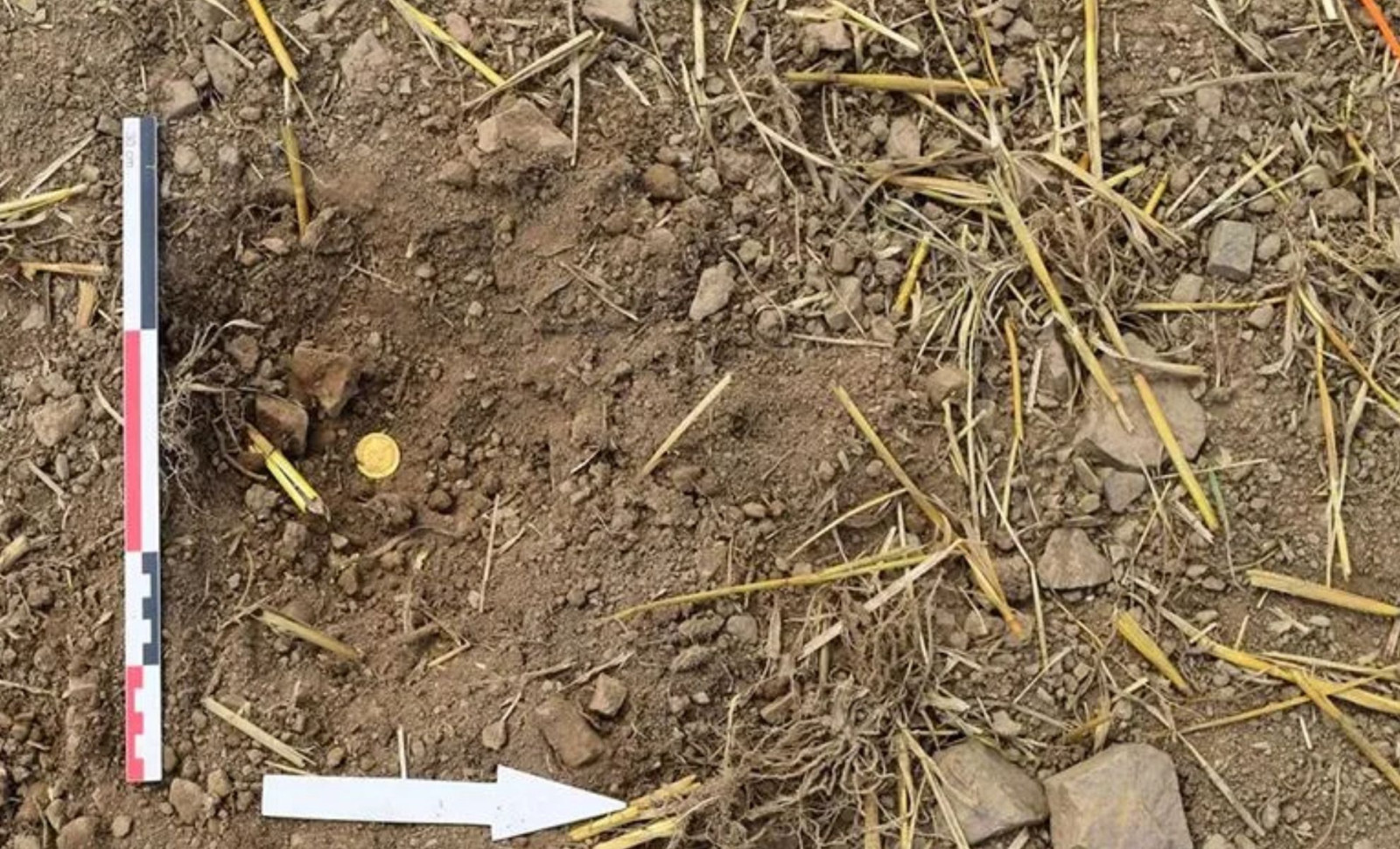
The hoard was hidden inside the remains of an ancient Roman fortification, alongside a small fortified lookout tower similar to others that once dotted Rome’s northern boundaries in the fourth century.
Several burial sites were also identified around the area, though detailed findings about them have not yet been made public. Researchers continue analyzing the artifacts before preparing their report for scientific publication.
Significance Beyond Monetary Value
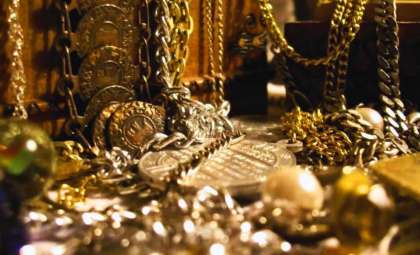
The collection consists of 141 gold solidi, a prominent currency during the later Roman Empire. Despite their age, these coins have remained in remarkably well-preserved condition. Experts emphasize that the discovery’s importance extends beyond its estimated worth of 308,600 euros (around $322,000).
Rebecca Usherwood, a historian from Trinity College Dublin, explained that the volume of gold denotes immense wealth in Roman times.
“This represents a huge amount of personal wealth for the individual or group who collected these coins,” she told the Daily Express. “Most people in the Roman Empire would rarely, if ever, have seen a single gold coin. To find this many indicates the owner was of considerable social standing, likely a military officer rather than a common soldier.”
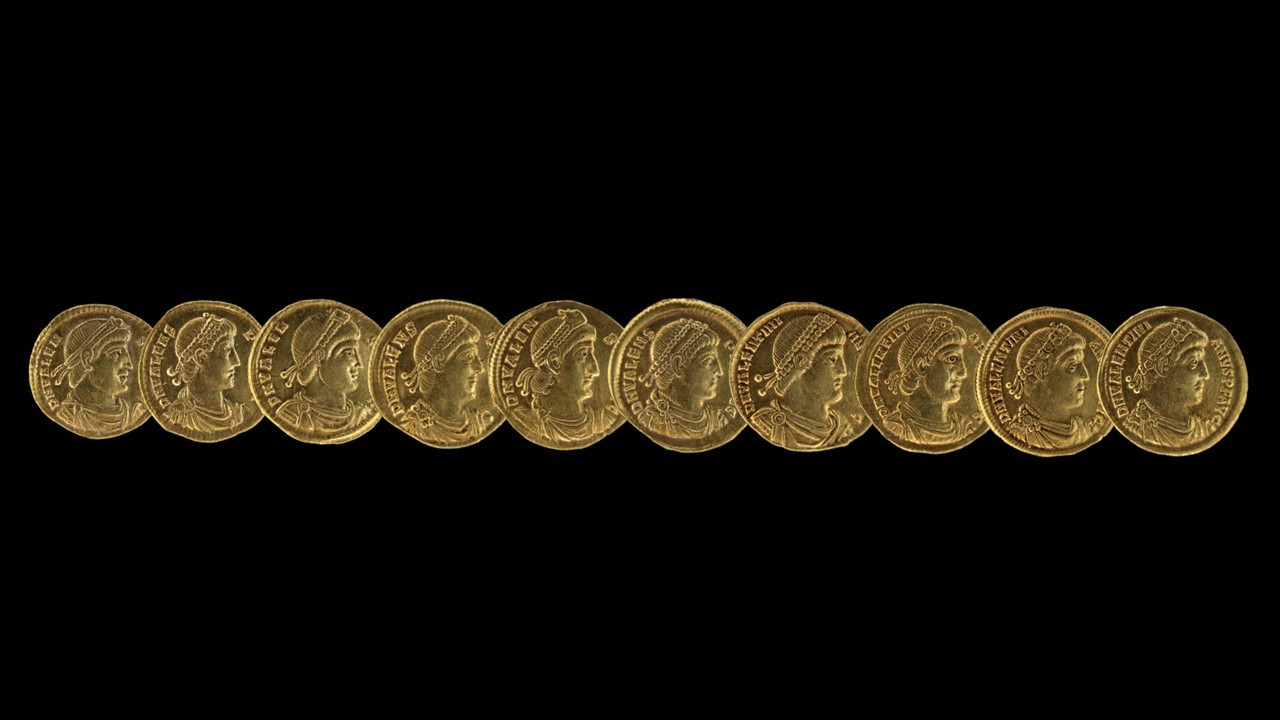
The INRA noted that encountering a fully intact coin hoard in its original context is exceptionally uncommon. Such discoveries can help researchers comprehend the motives behind burying valuables during unstable periods in Roman history and why these treasures remained hidden over time.
“It will still take some time to process the excavations and finds,” added Eric Thill, Luxembourg’s culture minister, in a separate statement. “But it will undoubtedly increase our knowledge and understanding of the last century of the Roman Empire in the West.”
- Categories:
- News






0 comments
Sign in to Comment