
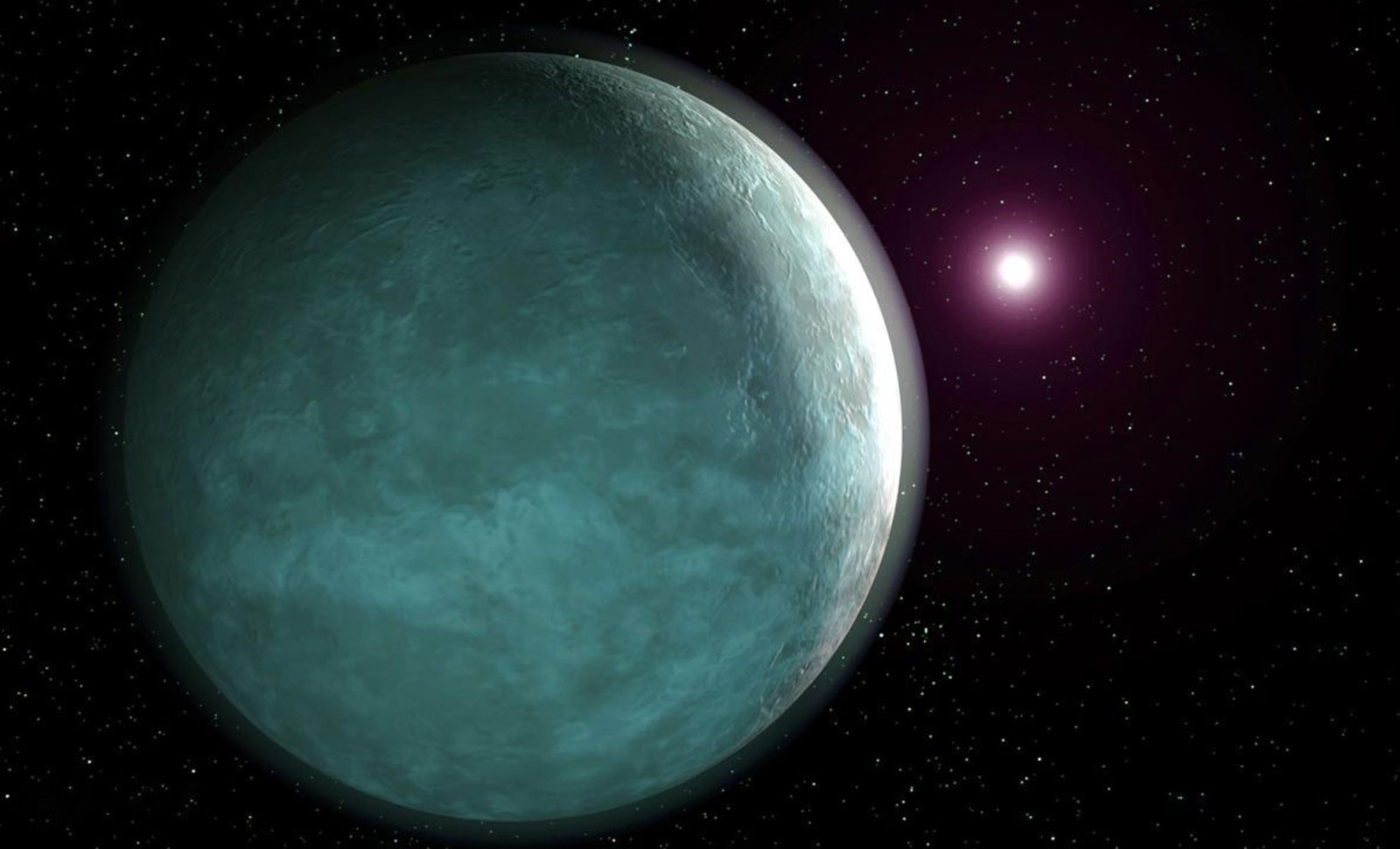
Many prevalent planets orbiting within our galaxy might harbor significantly more water than current astronomical methods can reveal. Recent research reveals that on mini-Neptunes, water could descend below hydrogen-rich atmospheric layers, rendering it undetectable by instruments like the James Webb Space Telescope.
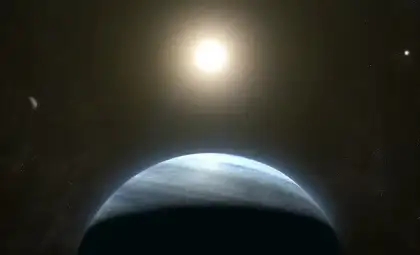
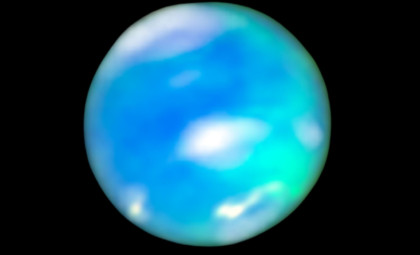
Mini-Neptunes are among the most intriguing subjects in planetary science because they occupy a unique niche: slightly smaller than Neptune yet possessing densities between gas giants and rocky planets such as Earth. Since our solar system doesn't include such planets, scientists depend heavily on theoretical modeling and remote observations to decipher their true nature.
Findings published in The Astrophysical Journal challenge the assumption that atmospheric composition clearly reflects the bulk internal makeup of exoplanets. The researchers propose that the atmospheric chemical signatures might not tell the full story of the planet's interior.

Water Potentially Sinks Below Detectable Atmospheric Layers
Previously, it was widely believed that mini-Neptunes have well-stirred interiors where atmospheric data could reliably indicate overall planetary composition. However, the recent analysis demonstrates this assumption is not universally valid.
Simulation results indicate that the interaction between hydrogen and water is highly dependent on specific planetary characteristics. On cooler or high-water-content mini-Neptunes, water may separate and sink beneath lighter hydrogen layers instead of mixing evenly, due to density differences.
“It’s very possible these planets are hiding much more water than their atmospheres let on,” said Caroline Piaulet-Ghorayeb, a postdoctoral researcher at the University of Chicago and the study’s lead author.
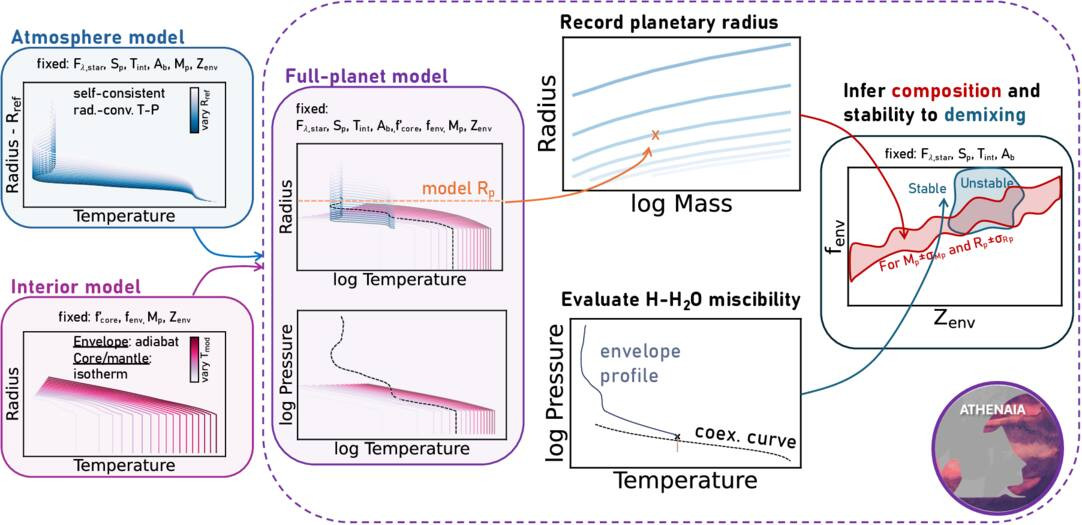
Piaulet-Ghorayeb emphasized that the study urges caution when interpreting data from advanced telescopes, as atmospheric readings might underestimate a planet's true water content.
Limitations of Webb’s Atmospheric Observations
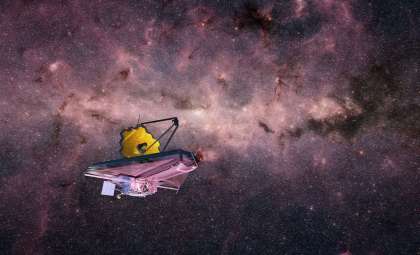
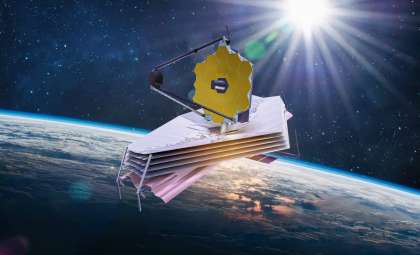
The James Webb Space Telescope detects molecules in exoplanet atmospheres by analyzing starlight filtered during planetary transits, revealing gases like hydrogen, methane, and carbon dioxide around distant worlds.
However, relating atmospheric data to internal planetary conditions remains a significant hurdle.
“The challenge is, how do we extrapolate from what’s in the atmosphere to what the surface is like?” Piaulet-Ghorayeb said.
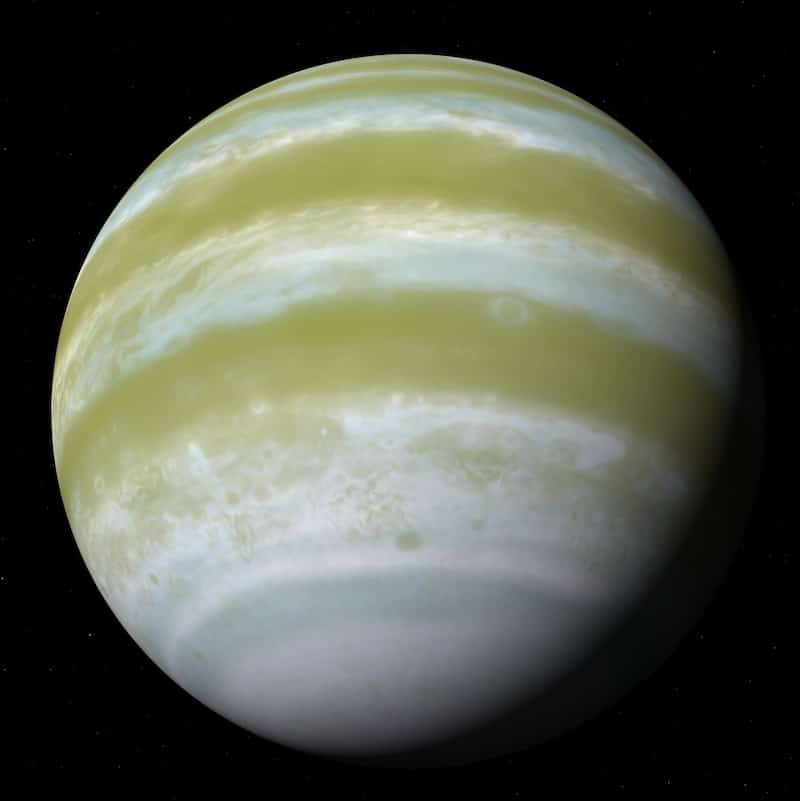
The study also underlines the complex phases water can take under extreme temperature and pressure, existing as ice, liquid, gas, or supercritical fluid. These states affect whether water mixes with hydrogen or sinks out of atmospheric reach.
TOI-270 d Under Investigation to Understand Mini-Neptune Mysteries
The researchers applied their models to TOI-270 d, an exoplanet orbiting in the constellation Pictor. Previous JWST observations identified hydrogen, methane, and carbon dioxide within its atmosphere—molecules typically accompanied by significant water presence.
According to the published simulations, TOI-270 d may represent planets where water has descended beneath the outer hydrogen envelope, concealing large amounts from current observational methods.
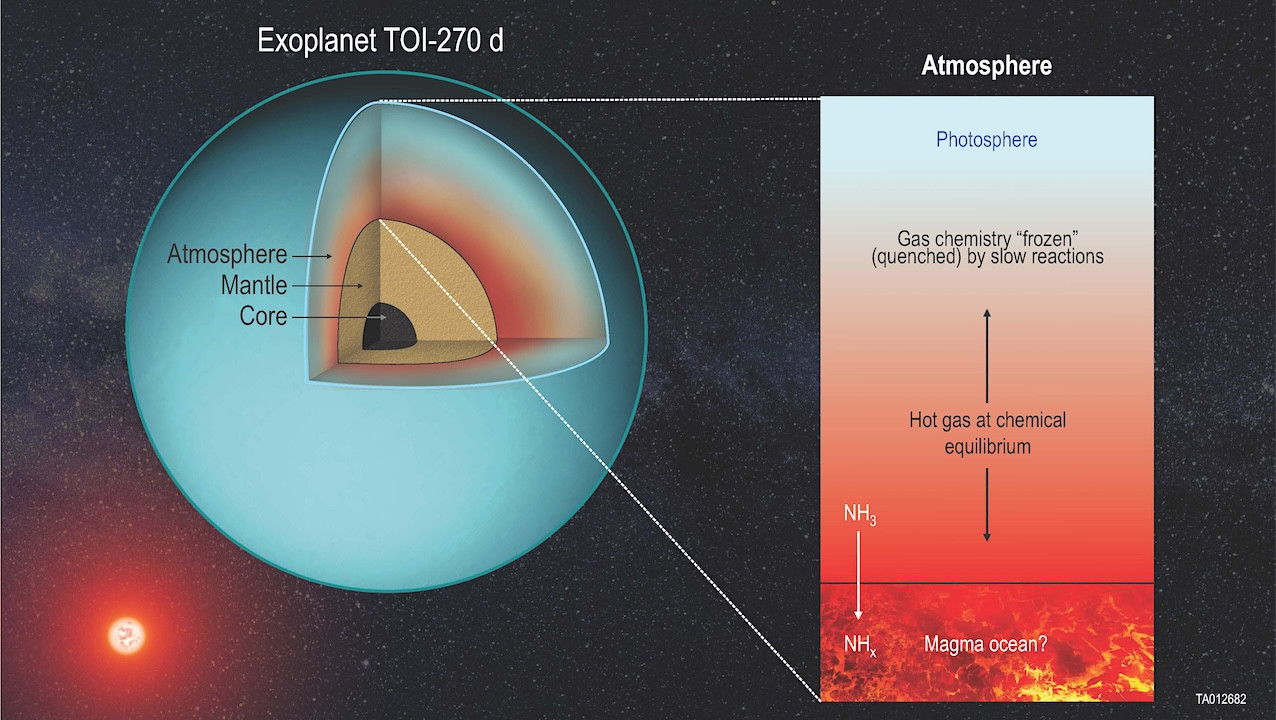
The team notes that existing observational techniques cannot definitively place TOI-270 d within this category. Co-author Eliza Kempton states current data neither confirm nor exclude this possibility.
This work highlights the ongoing challenge of detecting water on remote planets. Co-author Leslie Rogers commented:
“Water has an intermediate density, so it could be mimicked with a mix of rock and gas,” adding that: “We’re trying to get any constraint we can for this problem.”
- Categories:
- Space


0 comments
Sign in to Comment