

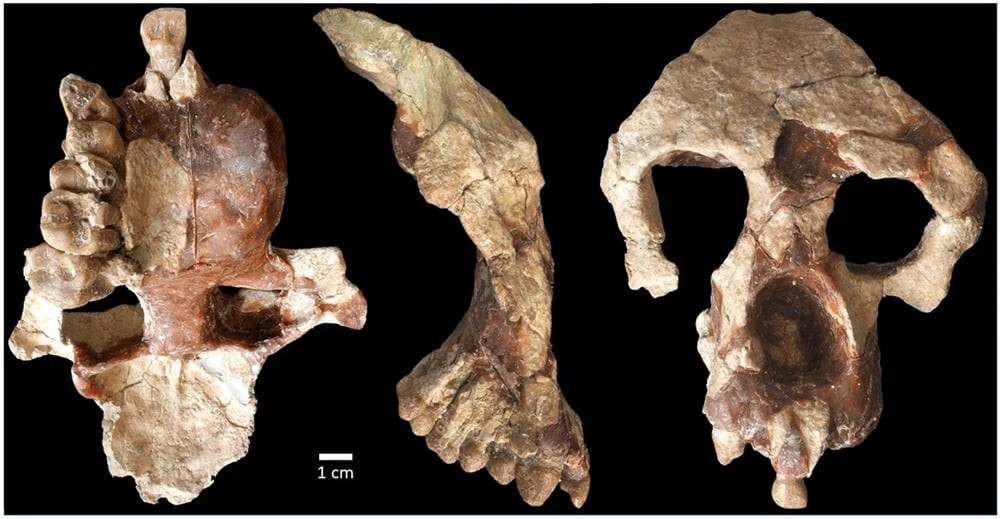
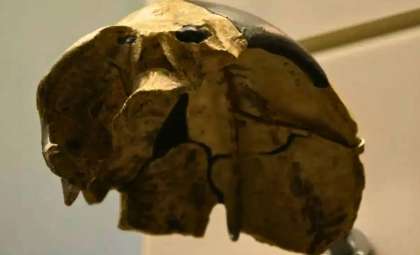
A nearly intact skull unearthed in central Türkiye offers fresh insights into the origin story of the hominine lineage. This fossil, belonging to a previously unidentified ancient ape species, dates back approximately 8.7 million years, preserving much of the face, upper jaw, and braincase - an unusually complete find from the late Miocene era.
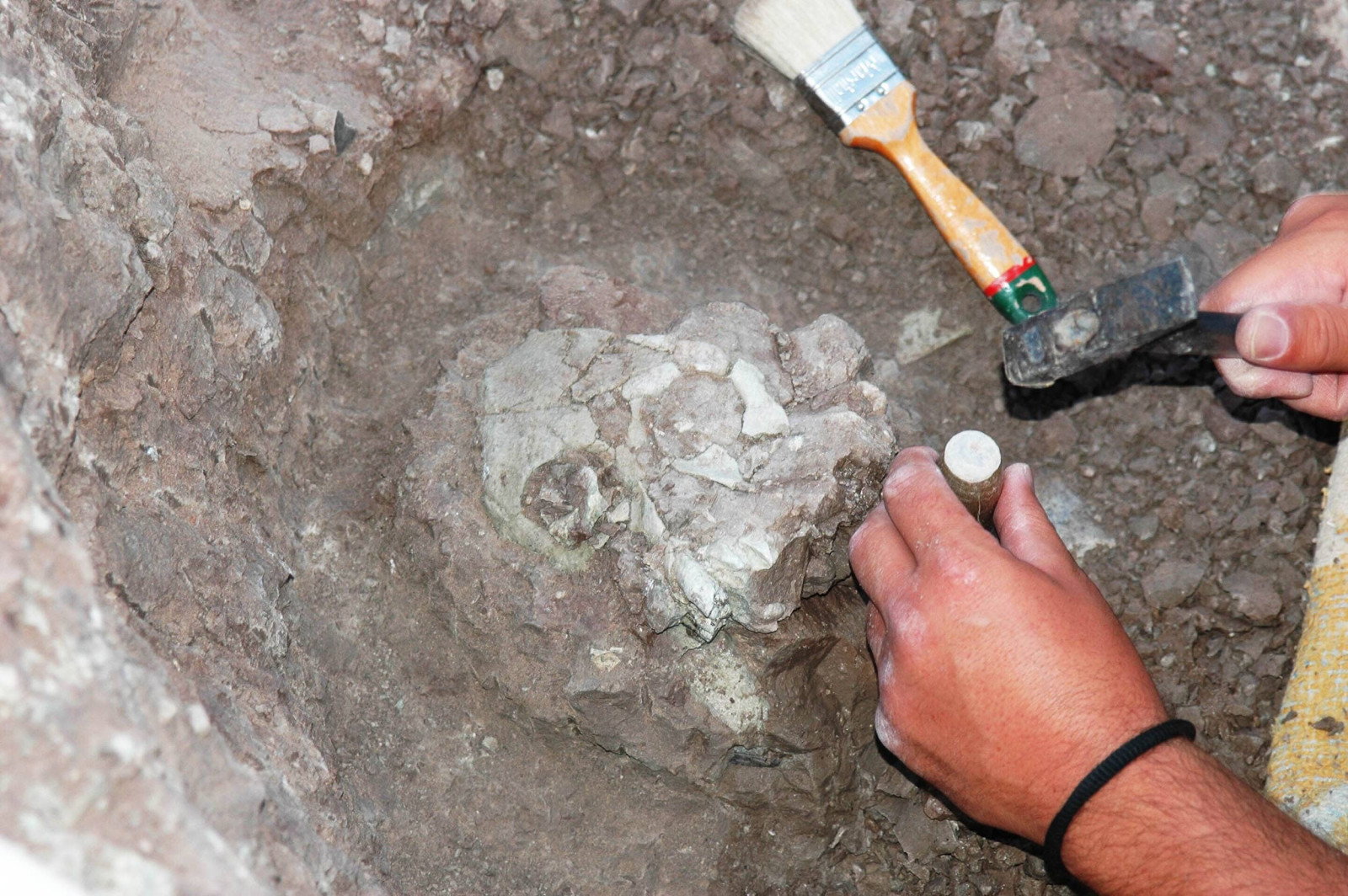
Discovered at the Çorakyerler fossil site in the Çankırı Basin, the specimen emerged from a region rich with vertebrate fossils. The research team, headed by Ayla Sevim-Erol of Ankara University and David Begun from the University of Toronto, published their findings in Communications Biology. The specimen, uncovered in 2015, represents a new genus and species, named Anadoluvius turkae.
Detailed examination of over 100 anatomical traits positioned Anadoluvius within the hominine group, which includes modern humans, chimpanzees, gorillas, as well as extinct relatives. This placement reignites discussions about whether early hominine evolution began in Africa, Europe, or potentially both.

Dental and Facial Clues Confirm Hominine Links
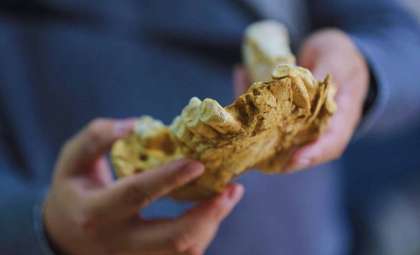
Key features underpinning the classification include thick enamel layers on teeth, relatively small canine teeth, and a short, sturdy facial structure. These characteristics suggest a diet requiring significant chewing force, likely involving hard or gritty foods instead of soft fruits common in forest habitats.
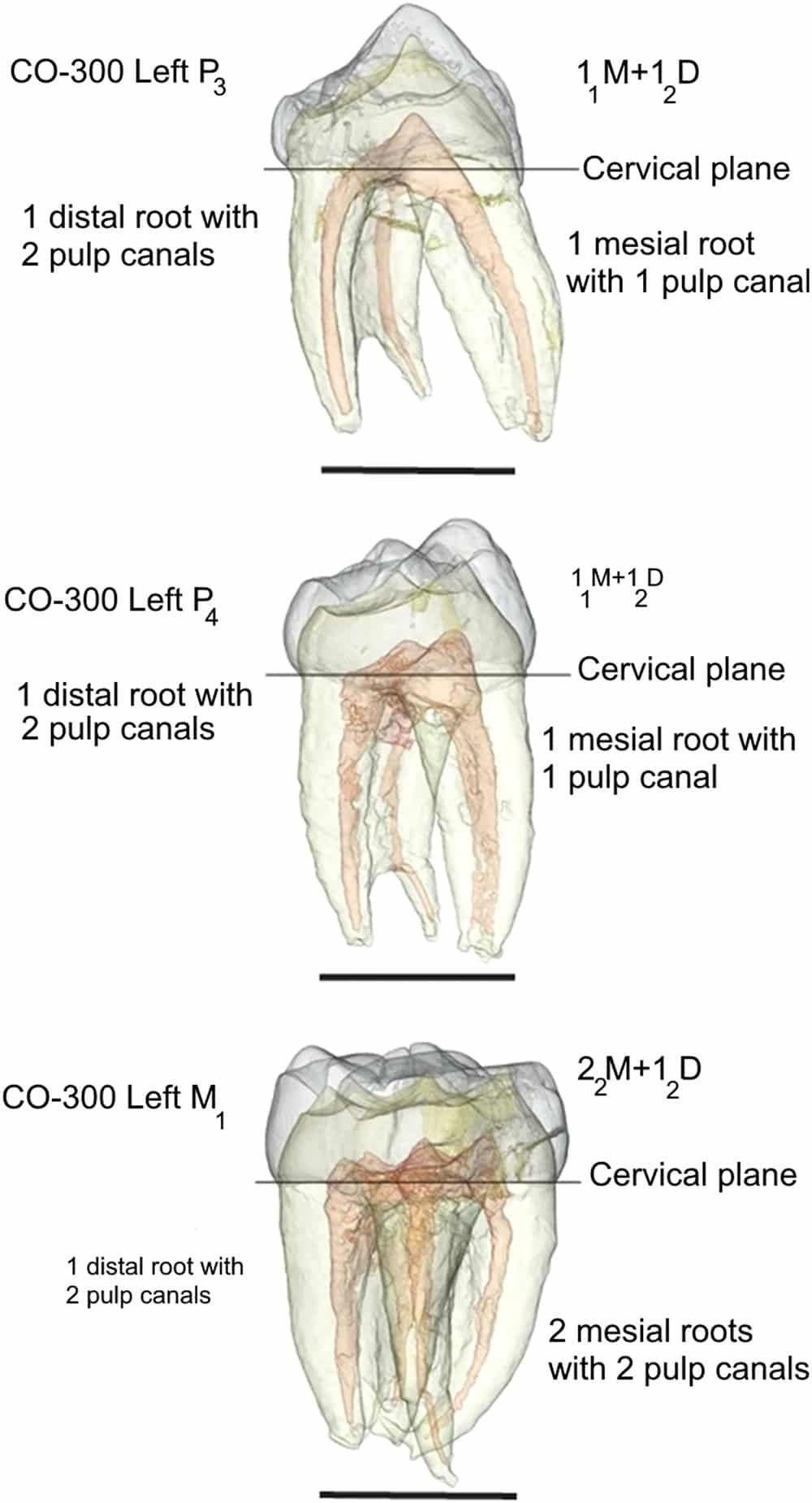
Notably, the reduced canines fall below the typical size range seen in contemporary African apes and approach those found in early hominins like Australopithecus afarensis. CT imaging revealed unusual dental root structures, where the distal roots of some lower premolars and the first molar merge into single roots containing two canals. This pattern resembles Graecopithecus fossils from Bulgaria but differs from the Greek genus Ouranopithecus.
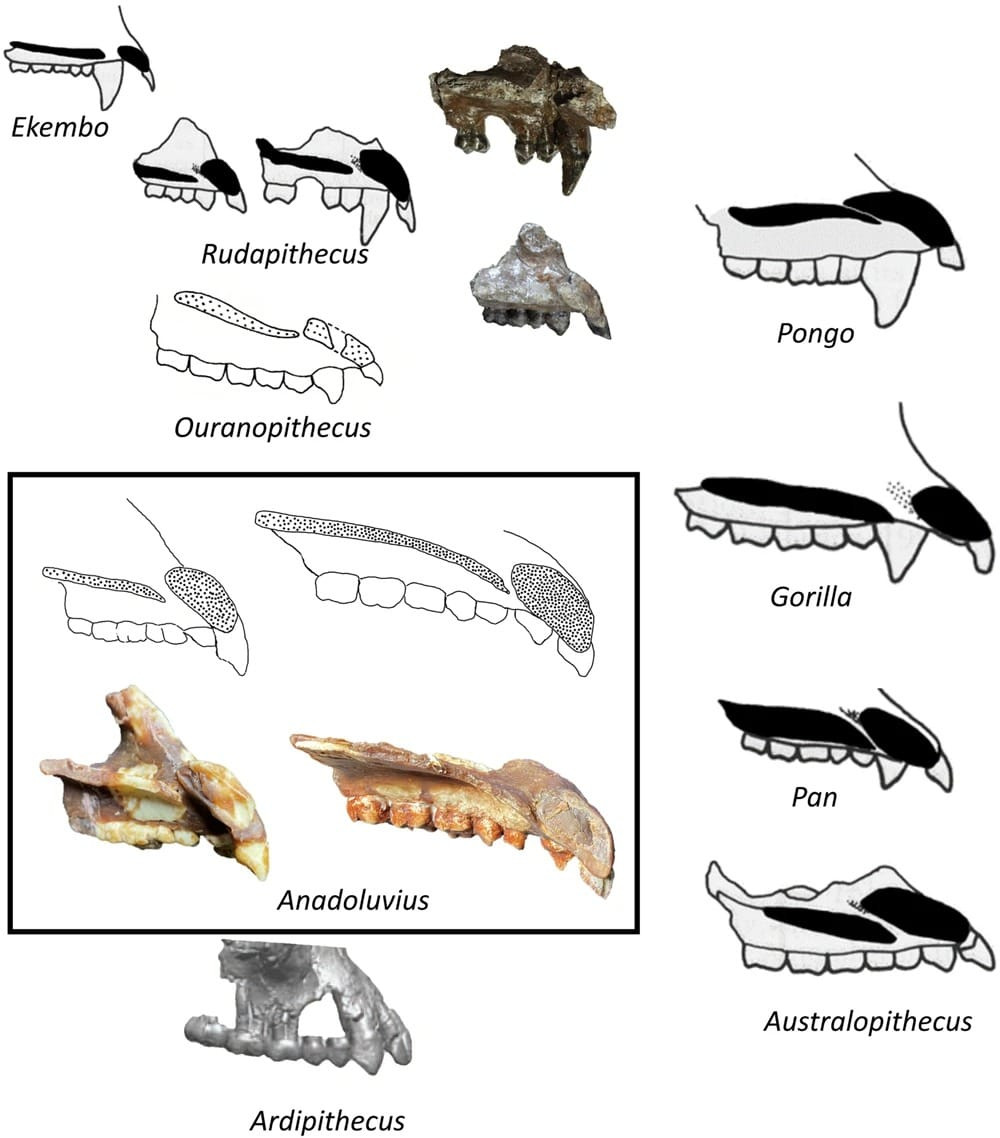
Combining differences in jaw shape and molar dimensions, the scientists identified at least three distinct late Miocene hominine genera in the eastern Mediterranean: Ouranopithecus, Graecopithecus, and Anadoluvius. Previous fossils were too fragmentary to distinguish this diversity clearly, while the detailed Çorakyerler skull offered a stronger comparative framework.
Connecting Fossils Across Europe and Anatolia
The study groups Anadoluvius, Ouranopithecus, and Graecopithecus into a lineage related closely to African apes and humans, and distinct from the Asian great ape line leading to orangutans. The authors propose that these eastern Mediterranean apes likely descended from older European ancestors known as dryopithecins.
This perspective suggests hominines evolved extensively in Europe before their earliest known African fossils, which appear no earlier than about seven million years ago. In contrast, the European-Anatolian fossil record spans roughly 9.6 to 7.2 million years and covers several taxa from Spain through central Anatolia.
The team suggests hominines may have originated in Europe before dispersing into Africa. Begun pointed out that these apes are currently known only from European and Anatolian sites, possibly arising further west before spreading eastward.
Nonetheless, the possibility of an African origin remains viable. An as yet undiscovered African ancestor could have migrated into Europe before the fossil record began. The authors favor a European origin based on available data but acknowledge that future fossil discoveries could alter this view.
The hominine diversity seen across Europe and Anatolia lasted for over 2.3 million years. The authors liken this extended evolutionary span to the later diversification of australopithecines in Africa, suggesting a prolonged regional evolution rather than a brief migration. However, this pattern alone does not definitively identify the geographic birthplace of hominines.
Adaptation to Open Habitats
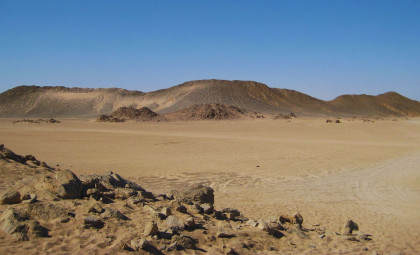
The habitat of Anadoluvius contrasts with the dense forest environments inhabited by many modern apes. Faunal remains at Çorakyerler include giraffes, zebras, elephants, antelopes, porcupines, and large carnivores, pointing to open woodland and dry grassland ecologies similar to present-day African savannas.
Isotopic analysis of an Anadoluvius tooth shows a diet based on C3 plants and indicates cooler, drier conditions relative to some other European fossil settings. Sevim-Erol argues the ape’s anatomy aligns with life in such open environments.
Its sturdy jaws and thick enamel layers may have been suited to chewing tough foods like roots and tubers, valuable in seasonal or harsh environments. However, the absence of limb fossils makes it unclear how arboreal or terrestrial this ape was.
This environmental reconstruction ties Anadoluvius to broader early hominine trends, as early African hominins also occupied mixed or open habitats. Decreased canine size and thick enamel often track dietary shifts. While not establishing a direct ancestral link, these parallels show similar adaptations in the eastern Mediterranean far earlier than previously known.
The fossils of other animals found at the site reinforce the interpretation of the environment. Horses, bovids, and elephant relatives typical of open habitats are common across Miocene deposits in Eurasia and Africa. Çorakyerler thus provides both an important ape fossil and a detailed glimpse of central Anatolia’s ecosystem during the late Miocene.
Status of the Scientific Discussion
Current consensus favors an African origin for human evolution, supported strongly by genetics and extensive fossil data, especially relating to later stages including the emergence of Homo sapiens.
The discovery of Anadoluvius turkae does not challenge this overall framework, but enriches understanding of ancient ape diversity in the eastern Mediterranean millions of years earlier. Fossils from Türkiye, Greece, and Bulgaria now reveal several related genera inhabiting this region.
Phylogenetic analyses place these apes closer to African great apes and humans than to orangutans. Still, the authors emphasize that broader phylogenetic studies and additional fossil finds from Africa and Eurasia are needed. The Çorakyerler fossils remain curated at Ankara University for ongoing and future research.
This find highlights greater than expected diversity of large apes in the eastern Mediterranean during the late Miocene. It also shows that hominine-like species existed before the earliest confirmed African hominins. Whether these apes represent the cradle of the hominine lineage or a secondary migration from still unknown African ancestors is unresolved.
- Categories:
- Science


0 comments
Sign in to Comment