
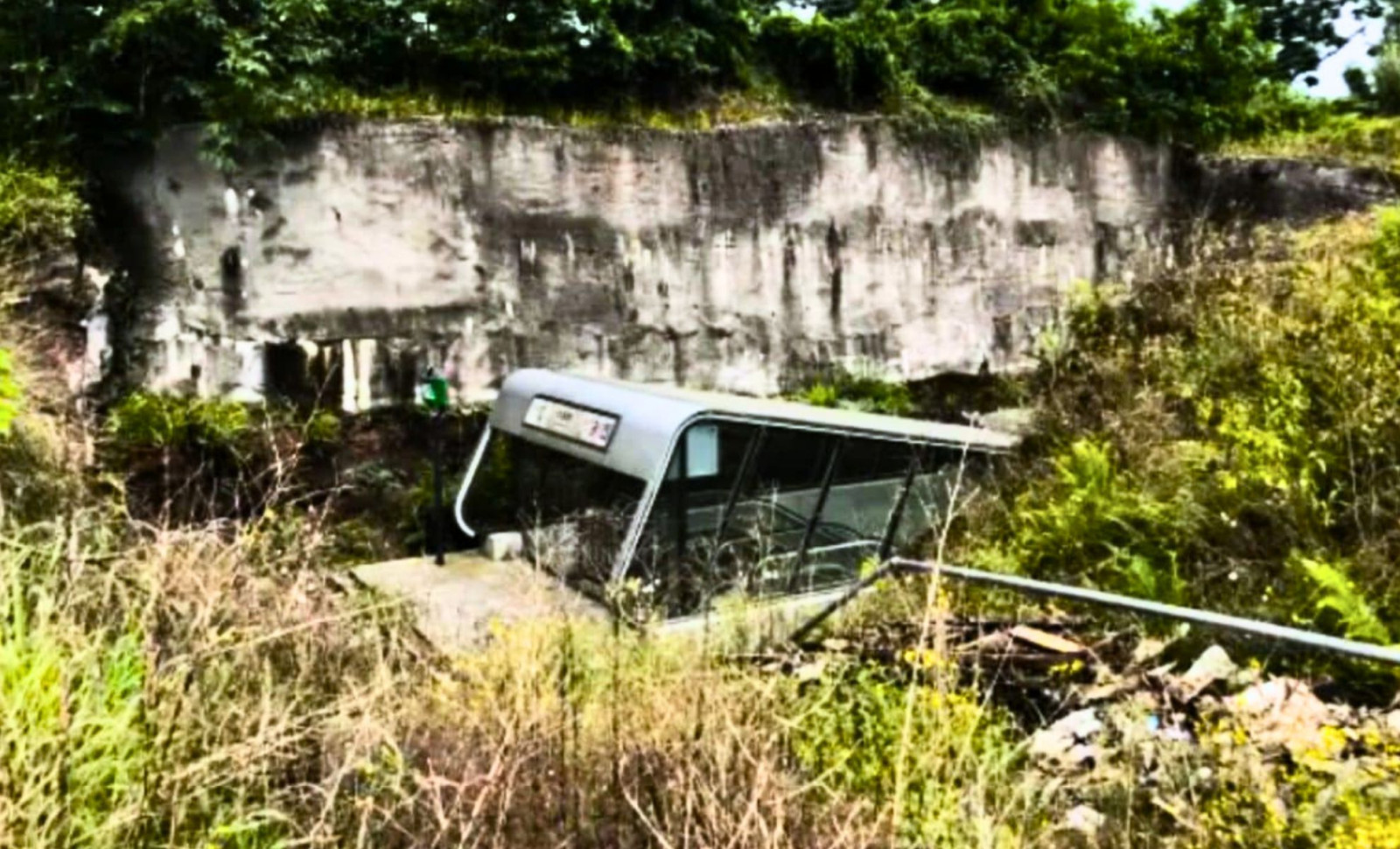
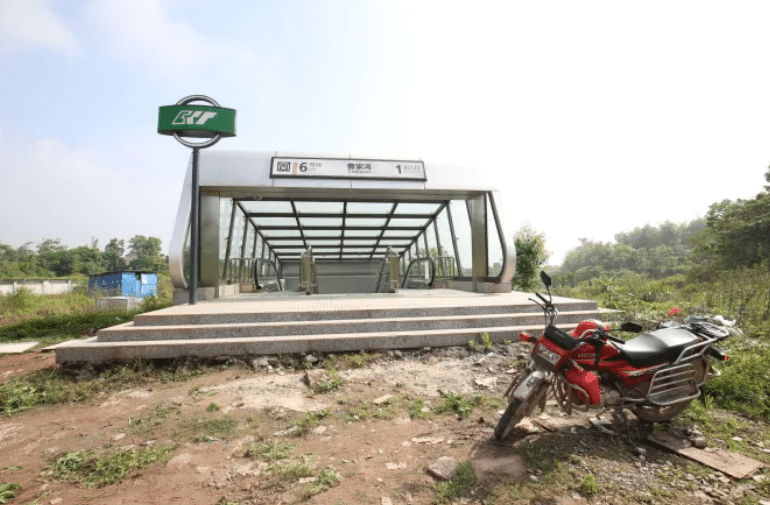
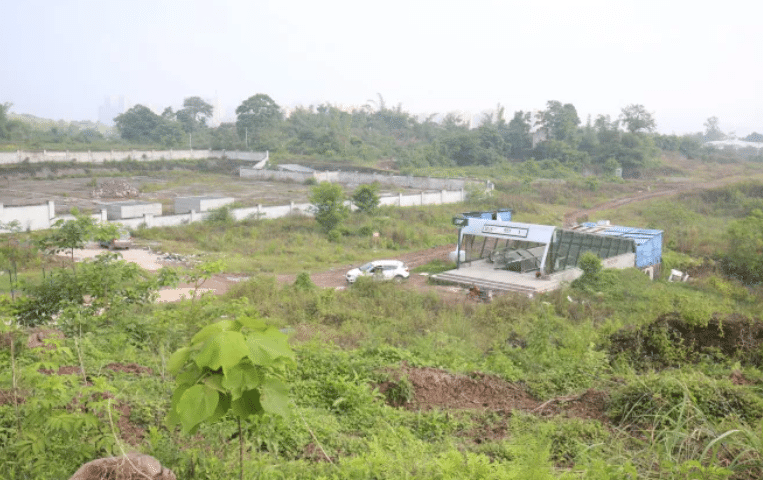
In 2015, images of Caojiawan Station in Chongqing circulated widely in Western media, sparking curiosity and skepticism. The metro station was fully constructed and operational, yet all its three exits opened onto wild, undeveloped land. There were no roads leading to it, nor any nearby structures. Staff at the station reported several days passing without a single rider.
The scene quickly became fodder for ridicule: sleek escalators leading into empty fields, bright station signs illuminating barren terrain. Many Western observers dismissed it as emblematic of extravagant and impractical planning, accusing it of reflecting a centralized economic system that favored monumental projects over real needs. They coined terms like “ghost stations” and “ghost cities”, accusing the government of squandered spending disconnected from actual demand.
However, as the 2020s unfolded, the narrative grew more nuanced.

Prioritizing Transit to Spur Growth Rather Than Follow It
China’s early metro expansion strategy wasn’t simply reckless. Instead, it represented a conscious reversal of the usual ordering of urban transit development. In much of the West, subway systems expand in response to rising population and urban density, meeting existing transit demand. Contrastingly, China often laid down transit infrastructure first, aiming to ignite demand afterward.
After hosting the 2008 Beijing Olympics, China accelerated its investment in urban transit nationwide. Beijing alone has poured upwards of $150 billion into its metro system since 2002, creating over 870 kilometers of rail lines. The approach in undeveloped regions was both strategic and economic. Proximity to subway stations can boost commercial real estate values within about 400 meters, even before urban development begins.
Local governments, largely reliant on revenues from land sales, used the presence of subway stations as signals to attract real estate investment, expediting urban growth that would ultimately make the transit systems viable.
This strategy embodies transit-led urbanization, where infrastructure doesn’t merely respond to cities—it actively brings them into being.
The Evolution of Caojiawan and Similar Stories
The story of Caojiawan is among the most detailed cases illustrating this pattern. When it opened in 2015, the station linked an outlying suburb to central Chongqing. For years, though fully operational, it seemed disconnected from its surroundings: no paved roads, no nearby residences, and scant foot traffic. The transit infrastructure was ready, but the urban environment lagged behind.
By late 2019, roadway access arrived, followed by dense residential buildings, shops, schools, and paved streets. Today, Caojiawan serves as a functional metro stop embedded in a thriving community. Comparable shifts took place in Xiong’an and the Lanzhou New Area, locations once dismissed as empty “ghost cities” by Western observers before significant populations settled in.
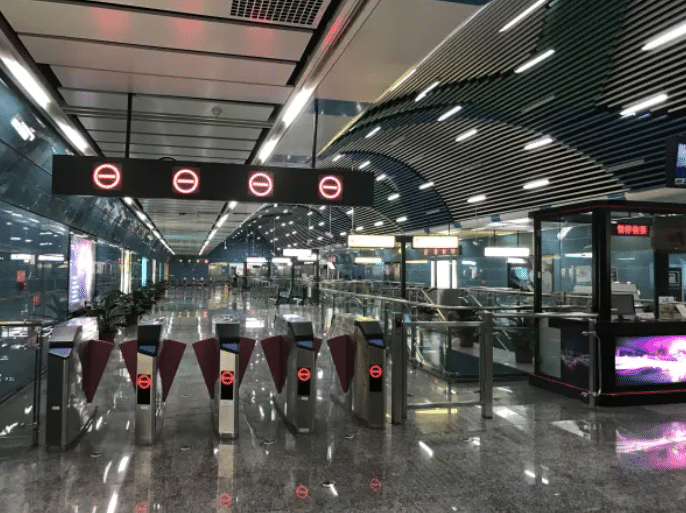
Reports from AS USA highlight that many former ghost areas have blossomed into bustling urban zones, crediting early subway infrastructure as a catalyst for this transformation. While not every case followed this path and success wasn’t guaranteed, in many instances transit infrastructure actively attracted development rather than awaiting it.
The Economic Burden of Expansive Transit Development
Confirming the urbanization benefits doesn’t erase the massive financial impact of rapid, large-scale transit construction. By 2025, 28 metro operators across China collectively held debt totaling roughly 4.3 trillion yuan, about $525 billion USD. In Shenzhen, home to the country’s second busiest metro system after Shanghai, daily operating losses surpass 100 million yuan.
Operational inefficiencies add to the financial strain. Some stations operate with only one exit, causing congestion. Others lack efficient express services or involve complicated, poorly aligned transfers. In 2021, the Zhengzhou metro suffered severe flooding during heavy rain, revealing flaws in emergency drainage design and drawing public concern about the speed of construction.
In response, Beijing imposed new guidelines in 2018, barring cities with fewer than three million people from initiating subway projects. Subsequent regulatory tightening has frozen or scaled back many planned expansions. Even where development eventually occurred near early stations, ridership often remains below expectations, underscoring ongoing challenges in balancing infrastructure creation with financial sustainability.
Insights on Infrastructure Planning from China’s Experience
China's transit-first urbanization approach depends on unique factors: a centralized authority to plan far into the future, enduring state capacity, and local governments’ financial dependence on land value. These conditions are difficult to replicate elsewhere. The strategy involved enduring years of apparent inefficiency and public skepticism, possible due to limited short-term political repercussions.
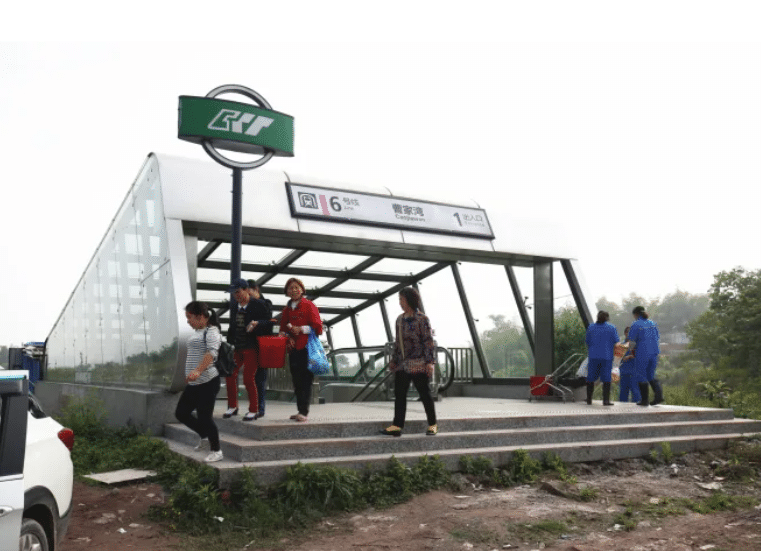
The experience from Caojiawan and similar stations highlights a key insight: strategically placing and scaling transit infrastructure in undeveloped areas can attract private investment and population influx, eventually creating justifiable urban centers.
Rather than passively awaiting city growth, these transit projects often helped shape the urban landscape itself. Whether this justifies the financial and operational costs remains an open question that Chinese planners continue to evaluate.
- Categories:
- News










0 comments
Sign in to Comment