
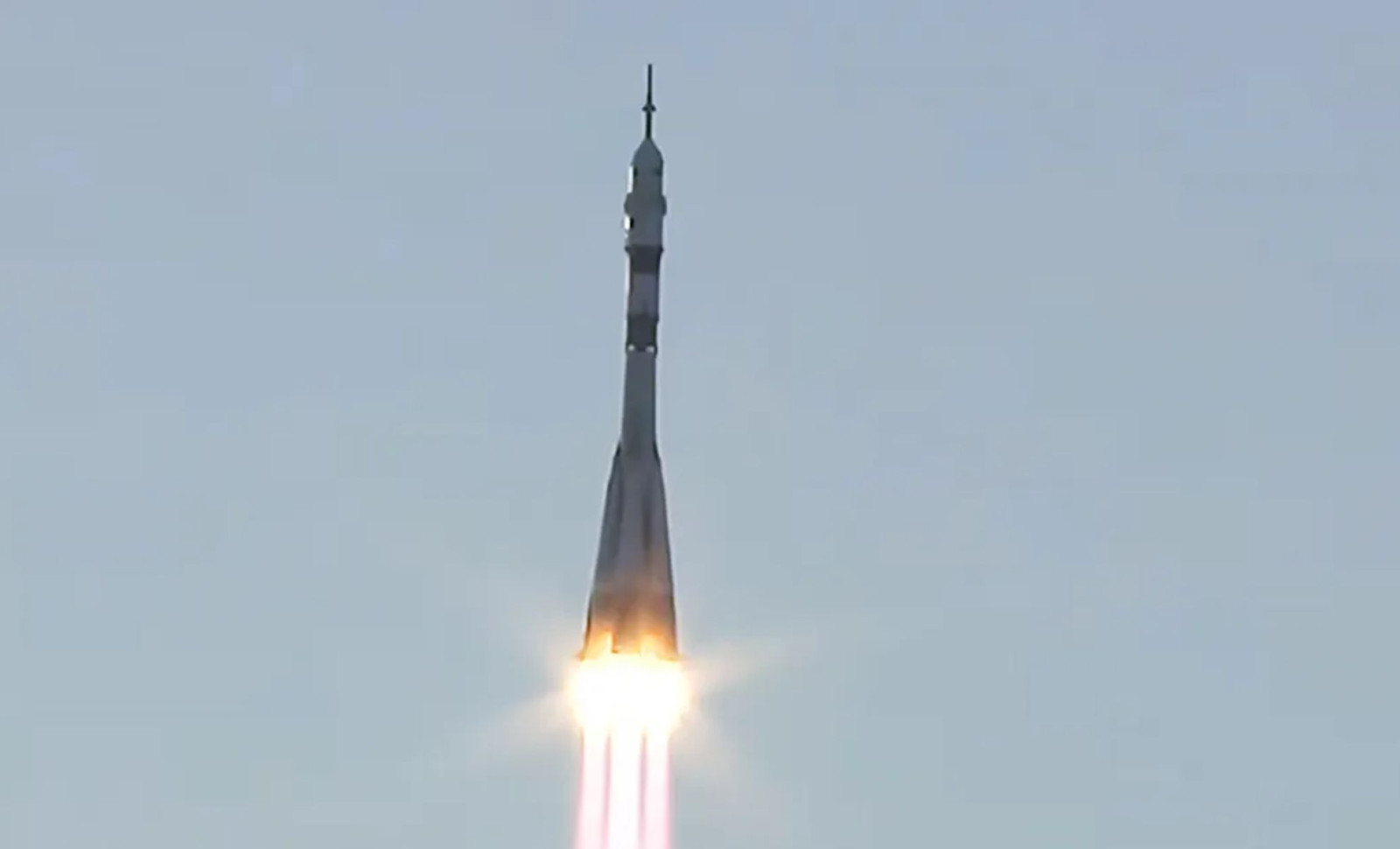
NASA astronaut Anil Menon embarked on an eight-month expedition aboard the Soyuz MS-29 spacecraft to the International Space Station, focusing on groundbreaking research with implications for medicine, AI innovations, and next-generation manufacturing. The launch occurred at the Baikonur Cosmodrome in Kazakhstan, where Menon joined Roscosmos cosmonauts Pyotr Dubrov and Anna Kikina. Their collaborative mission aims to advance international partnerships in orbit while conducting experiments that support future voyages to the Moon, Mars, and provide benefits to Earth-based technologies. This flight represents Menon’s inaugural space mission and signifies an important milestone in NASA’s efforts to develop technologies for long-duration deep-space missions.
The Soyuz MS-29 Completes Smooth Orbit Insertion
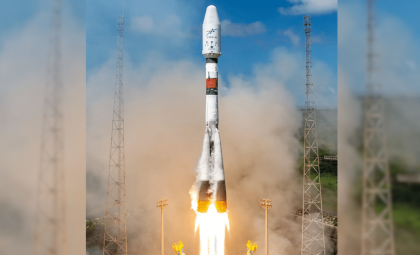
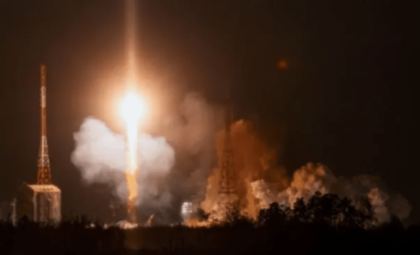
The Soyuz MS-29 spacecraft launched at 10:47 a.m. EDT (14:47 UTC) from the Baikonur Cosmodrome atop a Soyuz-2.1a rocket. The ascent proceeded flawlessly, allowing the crew to reach orbit within nine minutes. Utilizing an expedited two-orbit rendezvous strategy, the crew quickly traveled to the International Space Station where they will reside for approximately eight months performing research, maintenance, and supporting ongoing experiments. This mission underscores the continuing collaboration between NASA and Roscosmos, highlighting resilience in international space cooperation despite geopolitical challenges.
Space.com notes that the expedition blends routine ISS duties with scientific work targeting technologies vital for future deep-space expeditions. Menon, who has practiced as an emergency physician, engineer, and flight surgeon before becoming an astronaut, embarks on his first mission after extensive training.

Microgravity Semiconductor Research Promises Earthly Technology Advances
An essential component of the mission is investigating semiconductor crystal growth within the International Space Station ’s microgravity. Space-based manufacturing offers unique advantages because the absence of gravity leads to crystal structures not feasible on Earth. Enhancing semiconductor quality holds the potential to revolutionize fields including consumer electronics, medical devices, and AI systems. NASA highlighted the importance of this study in a recent statement:
“He will continue research to refine in-space production of semiconductor crystals to enable the large-scale manufacturing of components needed for high-performance computers, artificial intelligence, and improved medical devices,” NASA officials wrote in a July 9 media advisory.
Those conducting the research anticipate gaining deeper insights into advanced manufacturing methods and creating components essential for more powerful computing infrastructure. With global demands for faster and more efficient processors intensifying, space-derived manufacturing is rapidly becoming a focus for public and private sectors alike.
AI and Augmented Reality Healthcare Trials to Aid Future Astronaut Medical Care
Managing health challenges for astronauts beyond Earth orbit remains a priority. Missions to the Moon and Mars will present communication delays, preventing immediate medical assistance. This generates a need for autonomous medical technologies. With Menon’s medical expertise, he will evaluate artificial intelligence and augmented reality tools designed to assist crew members during medical exams aboard the ISS. According to NASA:
“Menon also will perform ultrasound using augmented reality and artificial intelligence methods that could eliminate the need for medical support from Earth on future space missions,” they added.
These innovations could empower astronauts with minimal medical training to conduct complex diagnostic procedures while being guided by onboard AI. Beyond space applications, these approaches may transform healthcare access in isolated areas, emergencies, military settings, and other locations lacking specialists.
- Categories:
- Space





0 comments
Sign in to Comment