
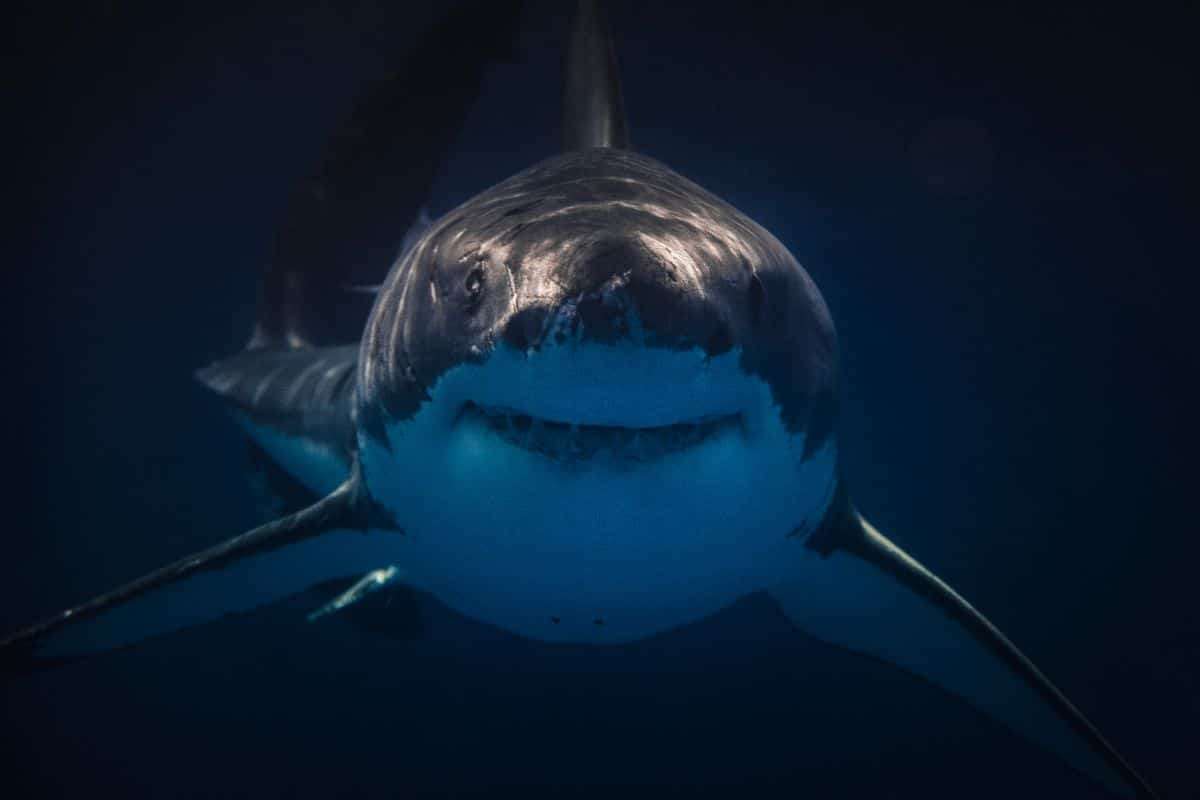
Hidden deep inside Mammoth Cave, the world’s longest cave network, researchers have discovered fossilized evidence of an ancient shark species previously unknown to science. Designated Clavusodens mcginnisi, or McGinnis’ nail tooth, this diminutive predator thrived 340 million years ago within a prehistoric marine habitat that covered modern-day Kentucky.
A Miniature Hunter with Distinctive Nail-shaped Teeth
In contrast to today’s giant sharks, Clavusodens mcginnisi measured only about 4 inches (10 cm) long. Its name refers to its unique iron nail-like teeth, a key adaptation believed to have helped it consume crustaceans and worms near the ocean floor in ancient seas.
This species belongs to a group colloquially known as “chipmunk sharks” due to their small stature and unusual teeth structure. They flourished during the Carboniferous period, when Kentucky was submerged beneath an expansive shallow sea filled with diverse marine life.

The fossil specimens of McGinnis’ nail tooth were discovered in the ceilings and walls of Mammoth Cave, preserved in ancient rock layers. Since 2019, scientists have been carefully collecting and documenting vertebrate fossils in challenging cave conditions that involve maneuvering through narrow passages to safely retrieve fragile remains.
Mammoth Cave: A Rich Source of Prehistoric Life
Mammoth Cave is renowned for its fossils, with more than 70 extinct fish species identified inside its limestone confines. It stands out as a vital site for exploring marine life from the Carboniferous era.
Formed by underground rivers cutting through aged rock, the cave has conserved marine sediments and fossilized remains from a time long before the dinosaurs roamed Earth. This preserved environment offers scientists an extraordinary glimpse into ancient ocean ecosystems.
A recent publication in the Journal of Paleontology reports finding shark fossils within the Ste. Genevieve rock formation, dated between 330.9 and 323.2 million years old. This discovery identifies Clavusodens mcginnisi as the earliest known member of its lineage, extending the evolutionary history of petalodont sharks.
The Lost Oceans of the Carboniferous Age
Researchers hypothesize that McGinnis’ nail tooth lived in reef-like habitats alongside marine invertebrates such as crinoids, nicknamed “sea lilies” for their floral appearance. These creatures anchored to the seafloor, forming complex ecosystems supporting a variety of predators, scavengers, and filter feeders.
The shark’s small size might have been an evolutionary advantage, helping it elude larger predators while feeding on bottom-dwelling prey. Yet many aspects of its lifestyle, ecological role, and evolutionary importance remain to be uncovered.
Implications for Paleontological Research
This find emphasizes Mammoth Cave’s role as a crucial paleontological resource. Barclay Trimble, superintendent of Mammoth Cave National Park, notes that ongoing fossil excavations have led to the identification of numerous new species, vastly improving knowledge of ancient marine biodiversity.
Each fossil recovered contributes to painting a clearer picture of prehistoric ecosystems, revealing how early sharks adapted and marine environments evolved over millions of years.
This has special significance considering sharks have persisted with little change across hundreds of millions of years, making them some of Earth’s longest-surviving predators.
- Categories:
- News










0 comments
Sign in to Comment