

Scientists have made a crucial advancement in resolving the mystery surrounding the origin of the Silverpit crater, buried beneath the North Sea near Yorkshire. After prolonged discussions within the geoscience community, new research affirms that this impressive geological structure was created by an asteroid collision. Published in Nature Communications, the study enhances our understanding of Earth’s cosmic past and the role asteroid impacts have played in shaping its surface.
Decoding the Silverpit Crater Mystery
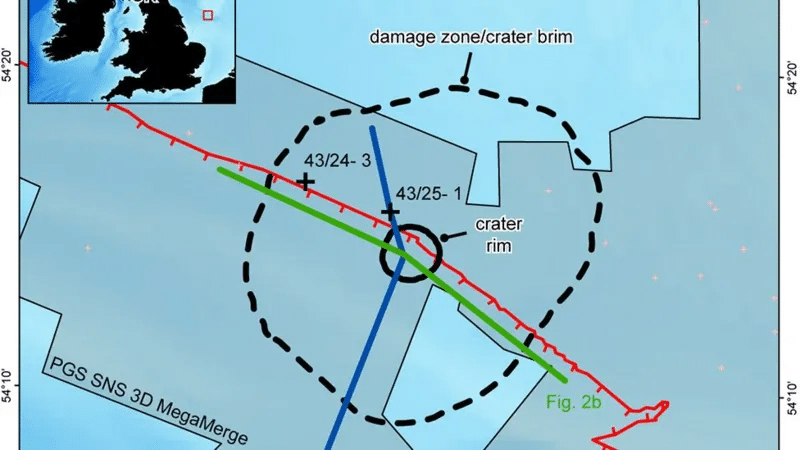
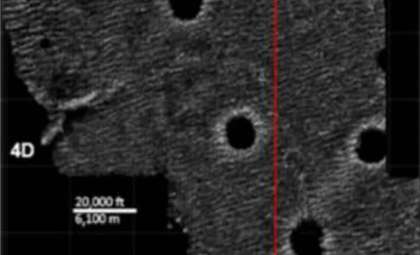
The Silverpit crater, spanning roughly two miles in diameter and buried some 700 meters below the North Sea, has puzzled researchers since its discovery by petroleum geologists in 2002. Theories have swung between an extraterrestrial impact and more ordinary geological activity, such as the shifting of salt deposits deep within Earth’s crust.
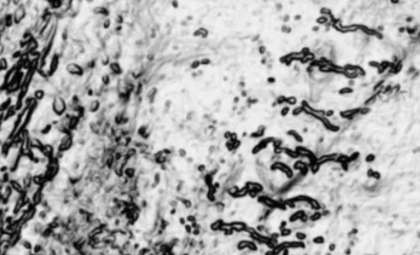
Breakthrough analysis led by Uisdean Nicholson at Heriot-Watt University in Edinburgh combined high-resolution seismic imaging, examination of drilled rock samples, and advanced computational modeling, arriving at a conclusion that points decisively toward an asteroid impact. Their data suggest the crater was generated by a high-speed impact around 43 million years ago. The space rock responsible was comparable in size to York Minster, and its collision likely triggered a massive 100-meter-tall tsunami that reshaped the local environment.

Reflecting on years of skepticism, Professor John Underhill of the University of Edinburgh remarked, “I feel like I’m spoiling the party. It’s a less glamorous explanation, but that’s what the scientific data is saying.” Despite earlier doubts, the mounting evidence has now tipped the scales firmly in favor of the asteroid impact explanation, resolving the controversy.
Why the Silverpit Crater Matters
The Silverpit crater is much more than an intriguing landform; it serves as a rare and well-preserved record of an ancient asteroid strike. Given that many impact craters have been erased or heavily modified by erosion, tectonic shifts, or volcanic action, Silverpit offers an exceptional snapshot of Earth’s early encounter with cosmic objects.
Lead researcher Nicholson highlighted the crater’s exceptional state of preservation: “Silverpit is exceptionally preserved and important. We can use these findings to understand how asteroid impacts shaped our planet throughout history, as well as predict what could happen should we have an asteroid collision in future.” This investigation not only illuminates one specific historical event but also equips scientists with critical knowledge for future planetary defense considerations.
Although less devastating than the colossal asteroid that caused the dinosaur extinction around 66 million years ago, the Silverpit impact remains a significant episode in Earth’s geological record. The research underscores how infrequent yet powerful asteroid impacts have influenced Earth’s surface and life evolution, reinforcing the importance of preparing for potential celestial threats.
The Impact Origin vs. Salt Movement Debate
The discovery of the Silverpit crater initially ignited vigorous debate within the geological community. Was this formation the product of an asteroid impact or simply a consequence of salt tectonics beneath the seabed? Early proponents of the latter viewed the crater as a geological phenomenon rather than evidence of an extraterrestrial collision.
In 2009, a Geological Society poll showed that 80% of members supported a non-impact origin for Silverpit, rejecting the asteroid hypothesis. However, Nicholson’s team challenged this consensus, noting that the crater’s shape, fault patterns, and surrounding features were more consistent with a violent cosmic event than with slow-moving salt tectonics.
“People say I get too excited by certain ideas,” Nicholson admitted. His dedication was eventually rewarded when enhanced seismic imagery and rock sample data provided compelling proof backing the asteroid impact theory. The Silverpit story exemplifies the rigorous scrutiny in science and shows how bold hypotheses must be validated by strong evidence—a reminder that sometimes the more dramatic explanation is indeed accurate.
- Categories:
- News





0 comments
Sign in to Comment