
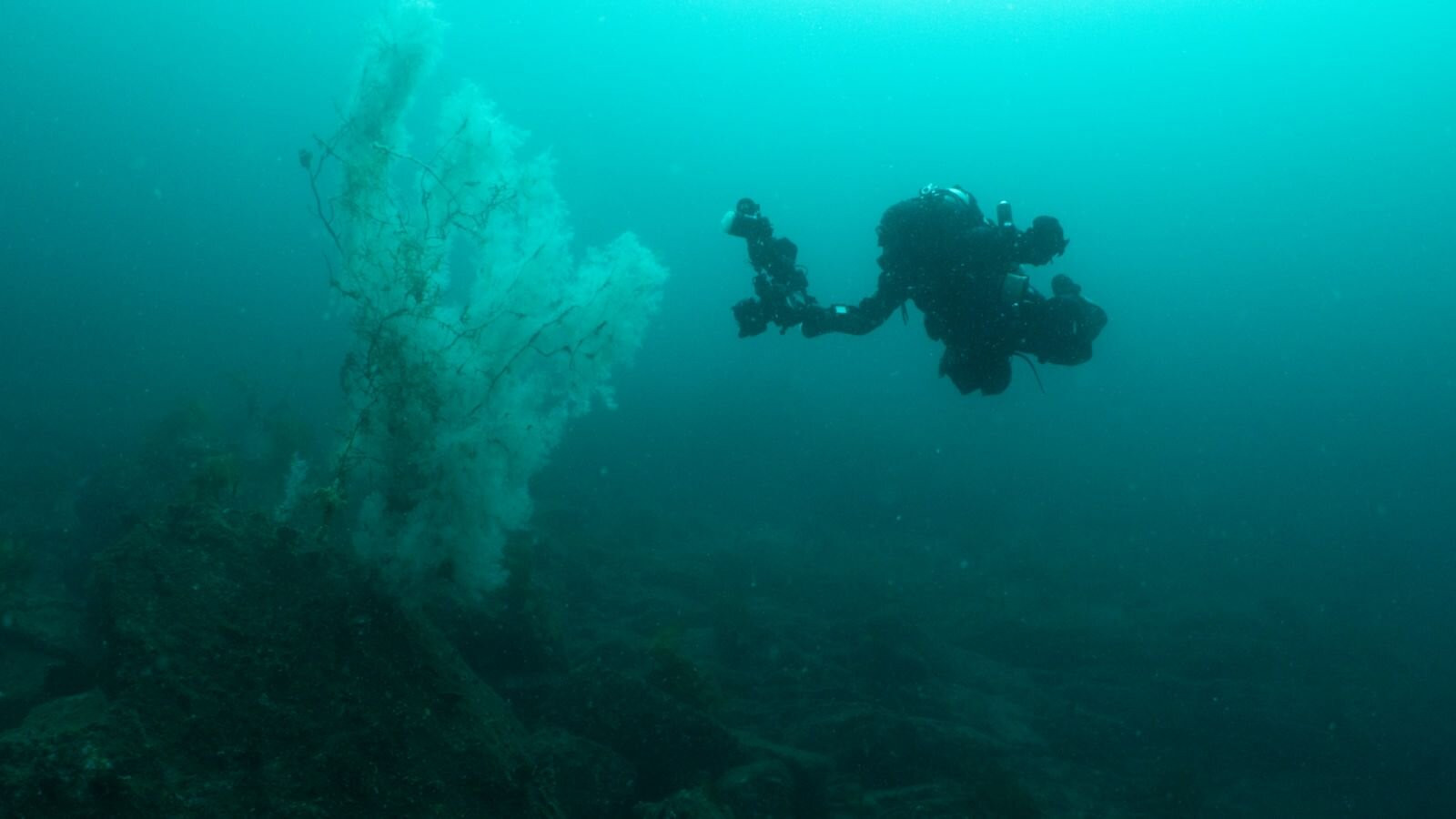
Scientists have identified a colossal black coral stretching approximately 4 meters in height and 4.5 meters across within the underwater landscapes of Fiordland, New Zealand. Estimated to be between 300 and 400 years old, this specimen stands out as one of the largest documented in the area, captivating marine ecologists for its sheer size and ecological significance.
This unique find was made by researchers from Victoria University of Wellington, in collaboration with the Department of Conservation (DOC) and the Fiordland Marine Guardians. Due to the slow growth and protected status of black coral, this discovery marks an important milestone in marine biodiversity and conservation efforts in Aotearoa New Zealand.
A Remarkable Discovery for Marine Experts
The coral was encountered during a scientific dive overseen by Professor James Bell, a marine biologist at Victoria University of Wellington. He described the coral as "absolutely enormous," stating, "In my 25 years studying marine life, this is by far the largest black coral I have encountered." Normally, black corals in this region range between two to three meters, rendering this individual a true anomaly.

Richard Kinsey, a senior biodiversity ranger with the Department of Conservation present during the dive, shared similar enthusiasm.
“To see such a large coral looming out of the darkness was pretty special. I’ve been a marine ranger in Fiordland for nearly 20 years, and it’s rare to see a coral so big. It’s easily the largest one I can remember seeing.”
Despite its name, black coral appears white when submerged due to its living tissue. Its name derives from the black color of its skeleton, which often surprises first-time divers.
Essential Habitats Deep Beneath the Surface
Because black coral matures slowly and can live for centuries, sizable colonies serve as vital breeding hubs, playing a critical role in species propagation. Professor Bell emphasized how pinpointing these large coral sites aids in enhancing marine conservation measures.
“We can better protect them by letting people know where not to anchor their boats or drop pots,” he explained.
Black coral is protected under New Zealand’s Wildlife Act, prohibiting any harm or removal. Although the DOC enforces these regulations, monitoring in remote, deep-water habitats remains a challenge. Discoveries like this can influence future protection strategies.
Echoing this viewpoint, Kinsey highlighted the rarity of such encounters and the importance of safeguarding these delicate marine ecosystems.
Exploring Fiordland’s Underwater Coral Giants
This finding is part of ongoing collaborative efforts by Victoria University researchers, the DOC, and Fiordland Marine Guardians aimed at creating detailed maps of protected coral species throughout Fiordland. This initiative seeks to better understand the presence and distribution of large black coral colonies.
“We’d love to receive reports from anyone who knows of particularly large black corals that are greater than 4 meters,” Bell said.
The team hopes combining scientific research with community contributions will help safeguard some of the oldest and most neglected marine life thriving in New Zealand’s oceans.
- Categories:
- News

0 comments
Sign in to Comment