
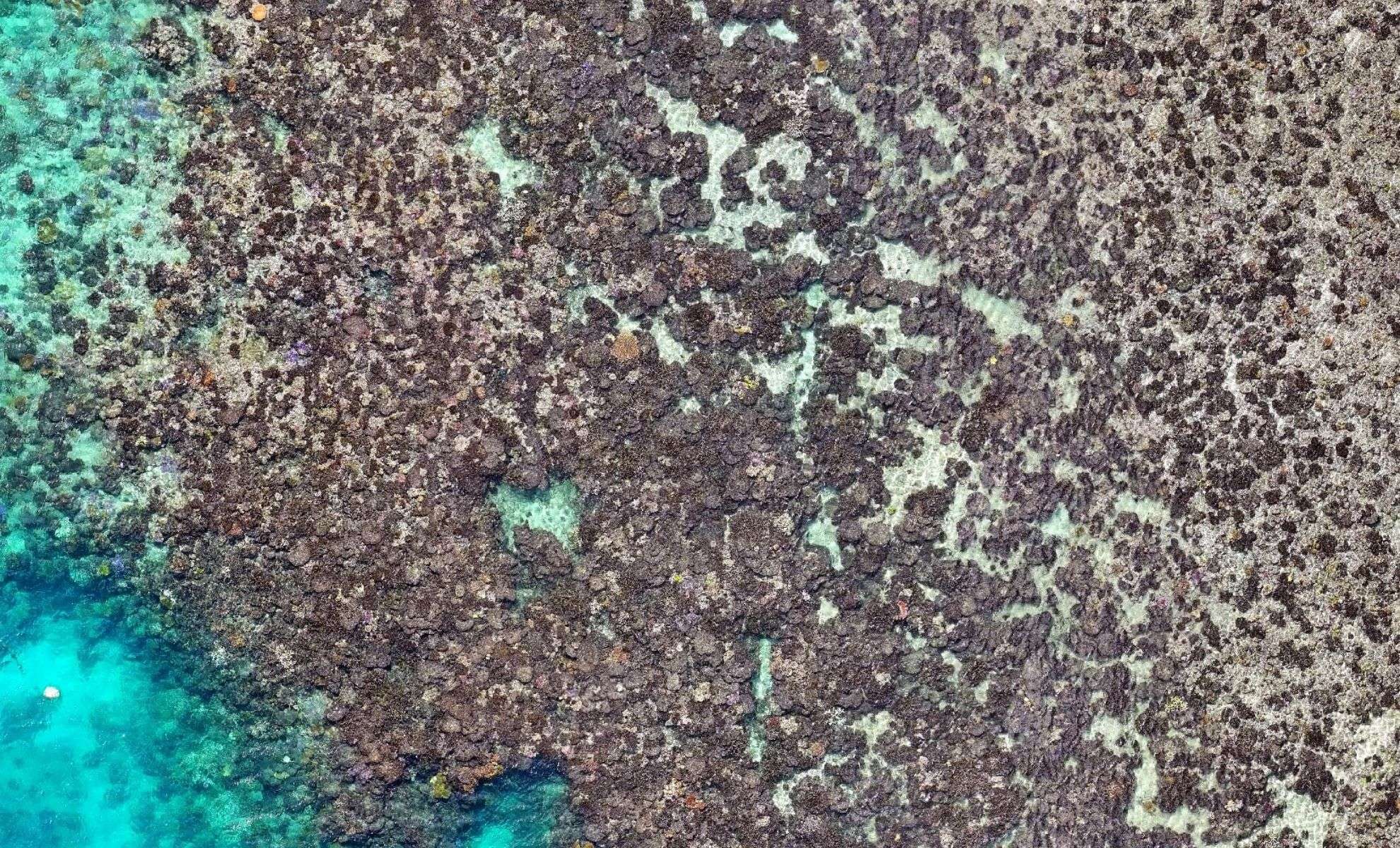
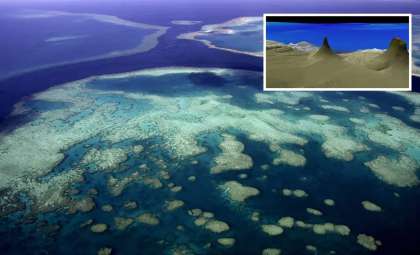
Rising ocean temperatures have led to extensive coral bleaching incidents globally, severely affecting the Great Barrier Reef. A 2025 paper in Coral Reefs details the catastrophic outcomes from the 2024 Fourth Global Coral Bleaching Event at Lizard Island, documenting coral mortality reaching as high as 92%. Employing drone technology, the study highlights the fragility of coral habitats in the face of climate change and emphasizes the critical need to safeguard marine ecosystems.
Advancing Coral Studies with Drone Imaging
The research’s success was largely enabled by drone technology, which captured detailed images of coral reefs before, during, and after the bleaching episode. The DJI Mini 3 Pro and Autel Evo II drones delivered exceptional image accuracy, allowing scientists to measure bleaching severity and mortality levels across expansive reef areas. Professor Jane Williamson, a lead researcher, remarked, “Drone-derived imagery enabled us to monitor bleached versus healthy coral throughout the event. This technology allows us to scale our observations to larger regions without losing precision.”
Drones have proven essential in providing a broad and nuanced evaluation of reef health, especially in remote or difficult-to-access locations. This capability is vital for long-term reef monitoring and for pinpointing specific vulnerable zones within coral ecosystems, aiding in conservation strategies.

Historic Levels of Coral Death
The findings reveal a distressing picture. Dr. Vincent Raoult, who spearheaded the study, stated, “This represents one of the most extensive coral mortality rates ever recorded worldwide.” The results showed over 92% coral loss in some parts of Lizard Island, with entire reef sections collapsing. This is particularly significant because Lizard Island has been recognized as a relatively resilient area of the Great Barrier Reef, recovering from previous environmental pressures such as cyclones and Crown-of-Thorns starfish outbreaks. Yet, the 2024 bleaching event proved devastating, overwhelming the reef’s natural recovery mechanisms.
What's especially troubling is that these mortality rates occurred despite Lizard Island experiencing less thermal stress compared to other reef sections. Dr. Raoult explained, “Even with comparatively lower heat stress, Lizard Island suffered unprecedented mortality.” This highlights how coral ecosystems are exceedingly sensitive to even slight temperature increases. If global warming continues at its current pace, coral reefs globally face escalating threats and potential irreversible losses.
Implications for Coral Ecosystem Survival
Given predictions of more frequent and intense heatwaves, these study results ring alarm bells for reef survival. Professor Williamson emphasized, “Our findings raise serious concerns about coral resilience as extreme heat events become more common, posing potential irreversible damage to ecosystems like those in the Great Barrier Reef.”
Coral reefs are cornerstone habitats supporting immense marine biodiversity and providing crucial benefits such as protecting coastlines. Their degradation disrupts marine life balances and threatens livelihoods dependent on reef-related tourism and fisheries. With climate stressors intensifying, reef collapse looms as a significant risk, and recovery could span decades or more.
The research group is continuing to conduct follow-up surveys around Lizard Island to observe possible recovery trajectories over the coming years. These efforts form part of a wider project dedicated to the preservation of Australian coral reefs, supported by funding from the Australian Museum Lizard Island Critical Grant.
- Categories:
- News







0 comments
Sign in to Comment