
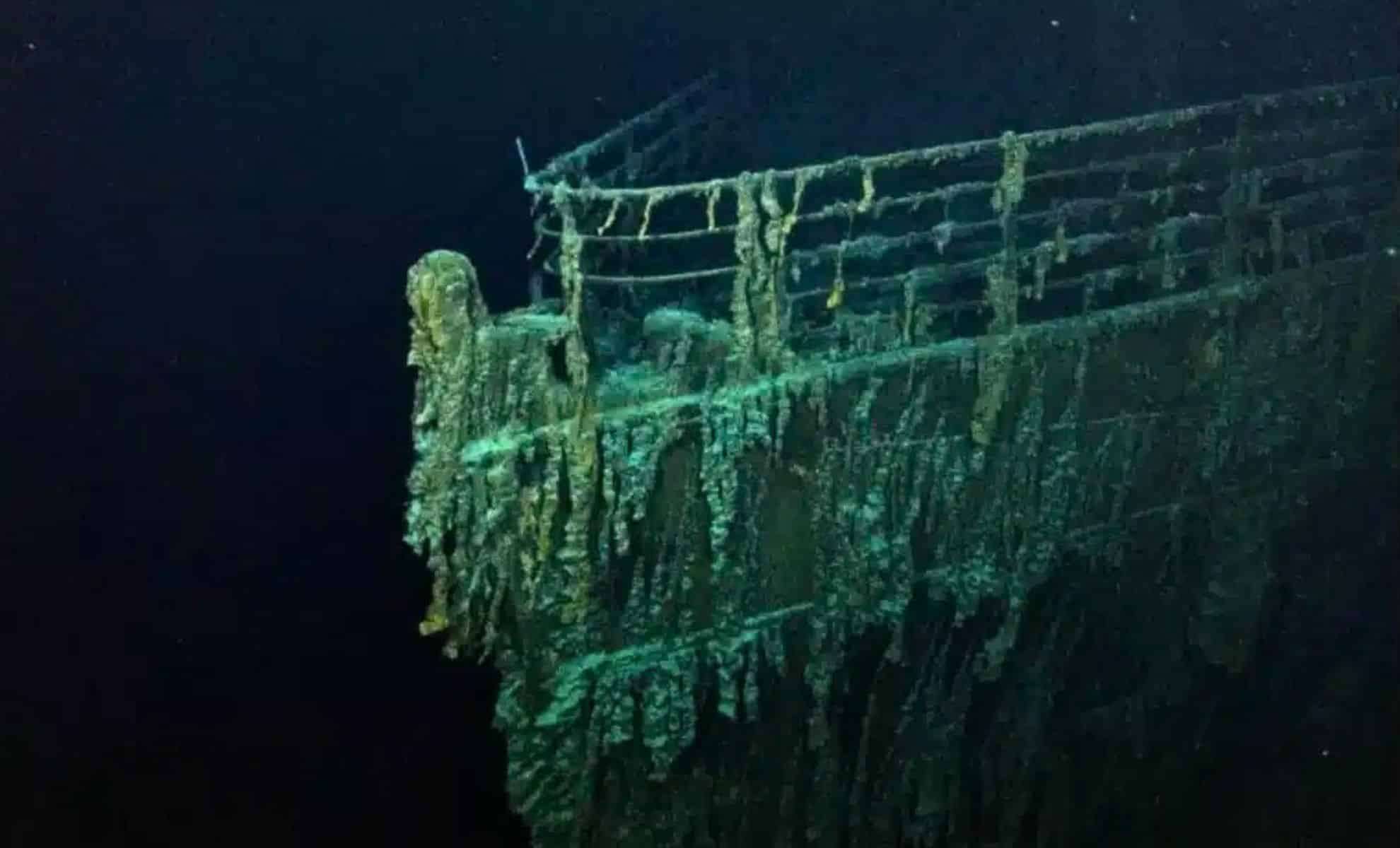
The Titanic remains one of the most iconic maritime disasters over a century later. A recent expedition using cutting-edge technology has unveiled unprecedented details of the ship's remains. Employing advanced high-resolution imaging combined with 3D scanning, researchers have created the most detailed record of the wreck since its discovery in 1985.
Charting the wreckage in 3D: The expedition
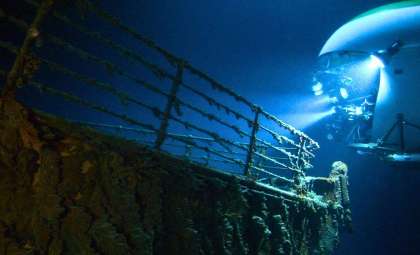
To safeguard what’s left of the Titanic, teams from OceanGate Expeditions and Magellan Ltd. embarked on an innovative six-week research mission. They utilized specially engineered submersibles named Roméo and Juliette to survey the site more than 3,800 meters deep in the North Atlantic Ocean.
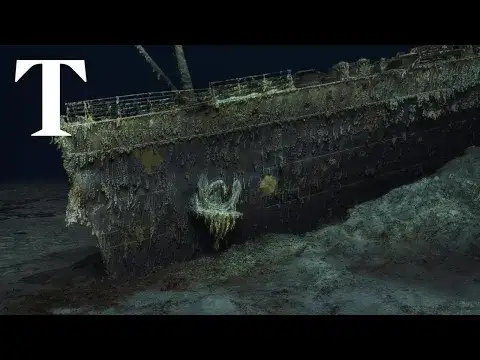
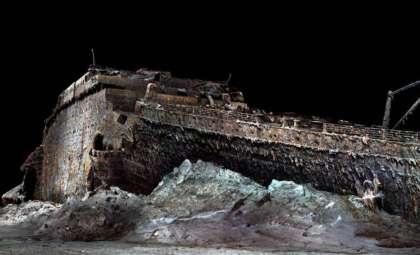
Throughout the mission, the explorers collected more than 715,000 photographs and amassed over 16 terabytes of information. This massive dataset was used to construct a highly accurate 3D digital replica of the Titanic, granting scientists a detailed view of its present condition and a valuable tool for monitoring ongoing degradation.

Unveiling unseen elements through new footage
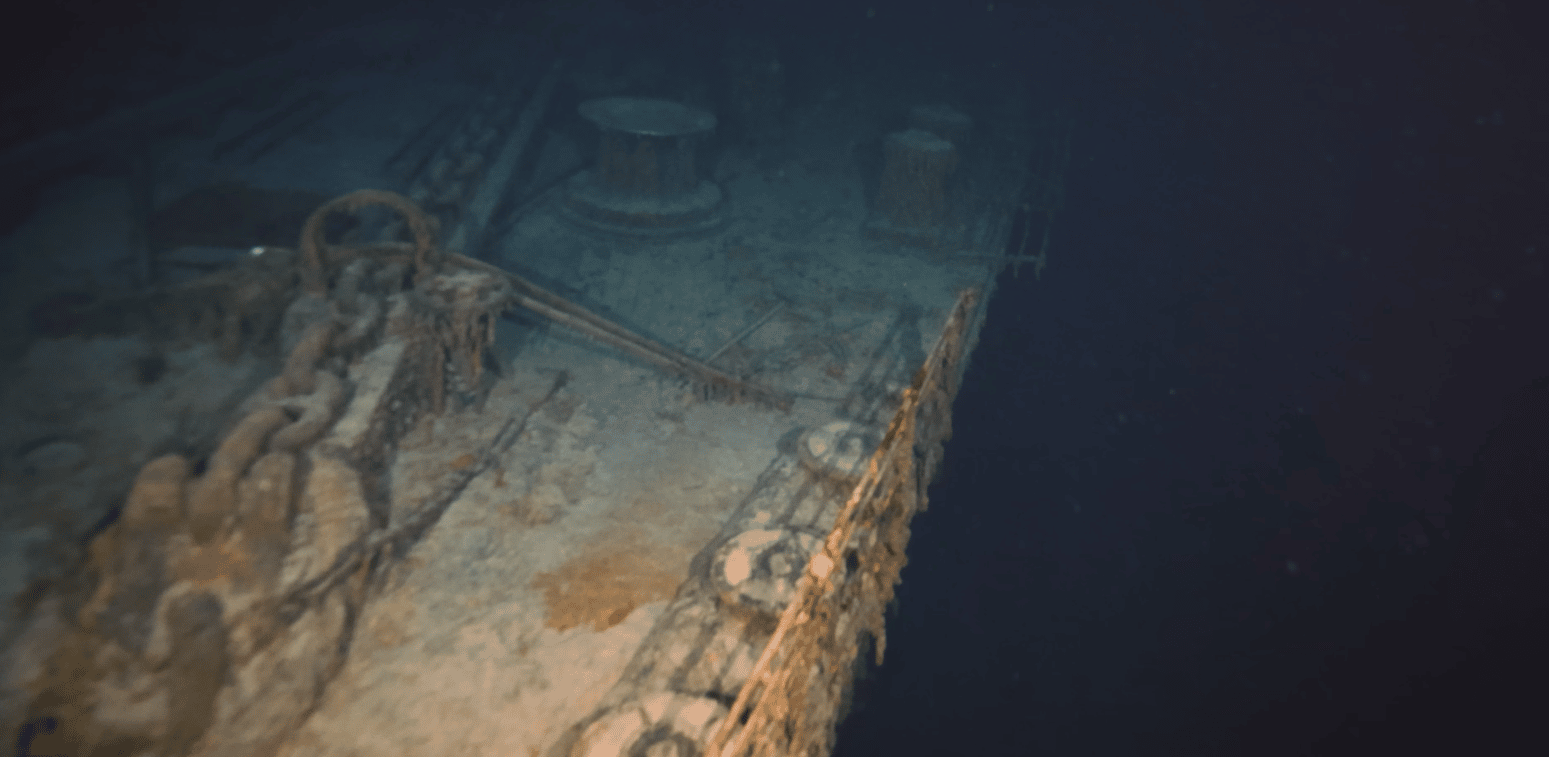
Beyond the 3D reconstruction, the research team also documented the wreck with stunning 4K video recordings. Building upon the 8K footage that OceanGate Expeditions released in 2022, this new video footage exposes intricate aspects of the ship previously unnoticed. A notable highlight includes the clear engraving on the Titanic’s port anchor, identifying the original manufacturer, Noah Hingley & Sons Ltd.
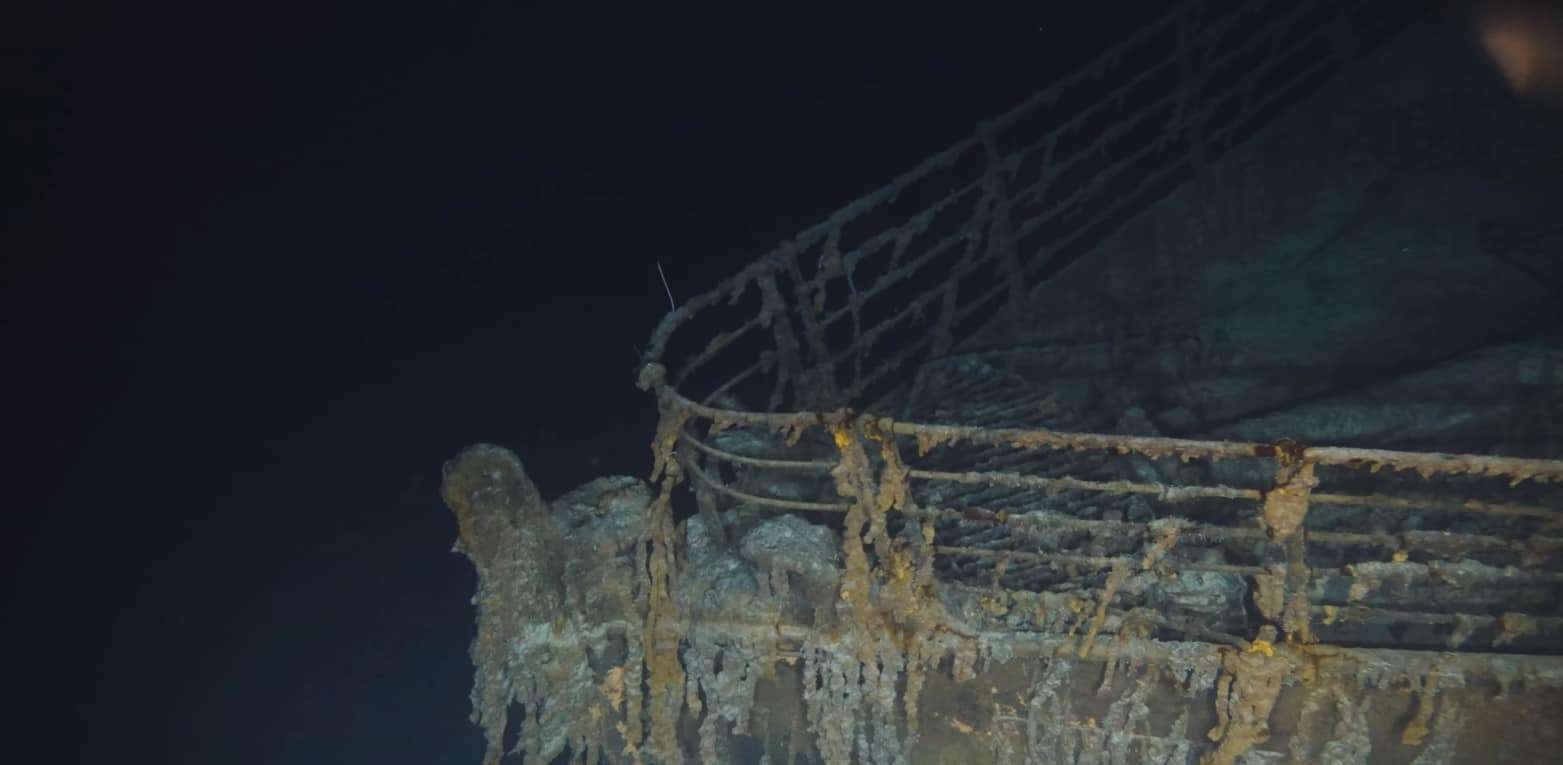
Such clarity had not been achieved before. Rory Golden, a diving specialist with OceanGate, remarked on the breakthrough: “After decades exploring the site, this level of detail was unprecedented.”
Accelerated decay of the Titanic wreck
Despite remarkable technological strides, the Titanic remains under threat from rapid deterioration. The ship’s metal components are being broken down by microbial colonies, forming delicate iron formations called rusticles.
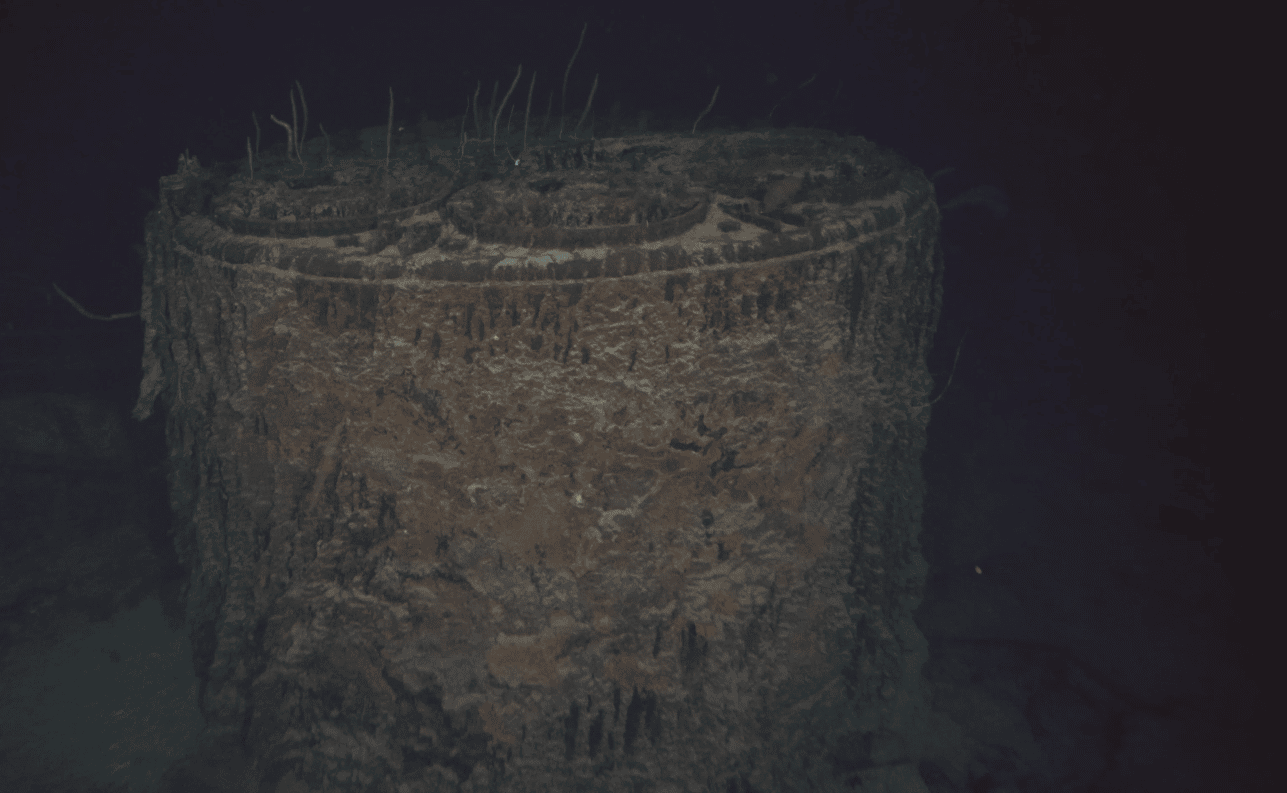
Scientists warn that if decomposition continues at the current pace, the Titanic could be completely consumed by ocean processes before the decade concludes. This imminent destruction underscores the importance of the recent data gathering, potentially one of the final chances to document the wreck in such detail.
Advancing future Titanic research
The innovations presented by this expedition not only deepen knowledge of the Titanic’s structural state but also equip researchers with a dynamic resource for future studies. This 3D digital approximation will enable accurate tracking of the ship’s condition and predictions regarding its eventual collapse.
As technology reshapes our understanding of the Titanic’s legacy, these groundbreaking observations help preserve its memory for upcoming generations of historians, researchers, and enthusiasts.







0 comments
Sign in to Comment