

For years, GPS has been the cornerstone of modern navigation, supporting everything from aviation to local deliveries. Yet, advances in quantum technology are poised to disrupt this long-standing system.
Researchers are pioneering quantum navigation devices that operate independently of satellites, offering unprecedented accuracy and resilience against signal interruptions. This innovation could redefine how we determine location worldwide.
The Mechanics Behind Quantum Navigation
Conventional GPS functions by utilizing a constellation of satellites orbiting Earth, sending signals to receivers that calculate precise positions through timing and triangulation. However, GPS is vulnerable to being interfered with, deceived, or obstructed by various factors.

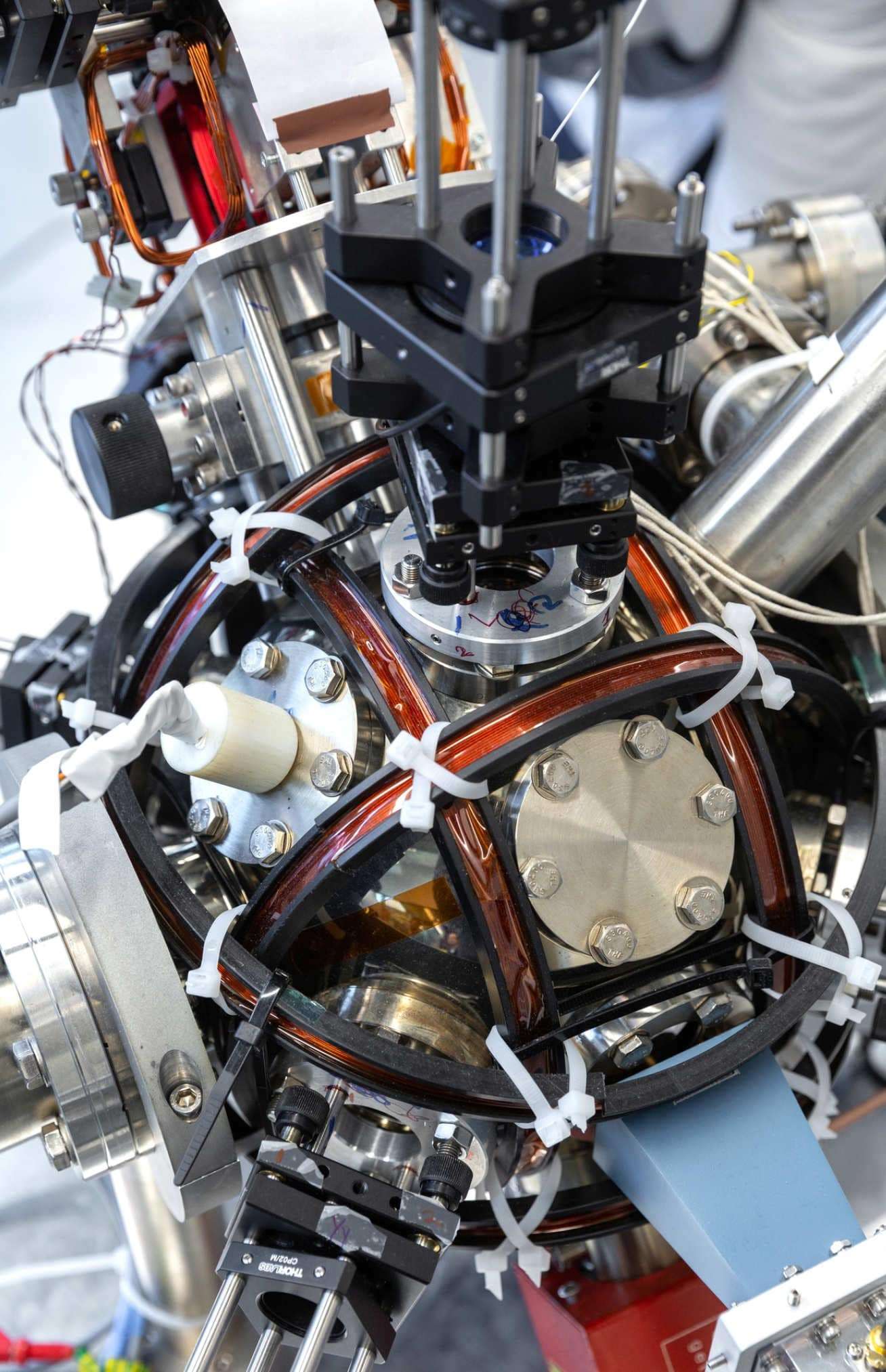
Quantum navigation capitalizes on highly accurate atomic-level measurements. Central to this technology is a quantum accelerometer that measures movement based on quantum mechanical effects. By tracking changes in motion over time, such systems can pinpoint location without relying on external signals.
Consequently, submarines, aircraft, or autonomous vehicles could navigate precisely in environments where GPS signals are blocked, such as underwater, inside tunnels, or secure military areas.
The Importance of Moving Beyond GPS
Although GPS is extensively used worldwide, its limitations are apparent. Besides signal degradation, there is a threat of cyber intrusion. GPS spoofing, the act of tricking navigation systems with fake signals, has been exploited during conflicts, for illicit acts, and corporate spying.
Government and defense sectors in countries like the UK, China, and the US are heavily funding quantum navigation research due to its secure, interference-resistant nature. This technology could provide critical advantages for military operations, commercial aviation, and space expeditions.
Timeline for Quantum Navigation Adoption
Quantum navigation remains under active development, yet progress indicates it may become market-ready within the coming decade. In 2023, researchers in the UK demonstrated a quantum accelerometer that functioned accurately aboard a moving vehicle. Meanwhile, efforts in the US and China are accelerating to perfect this technology for real-world applications.
Eventually, quantum systems could be integrated into aviation, maritime, and autonomous transport, reducing dependency on satellite grids. This innovation also holds promise for enhanced space travel, where existing GPS signals are unavailable.
Exploring a Post-GPS Future
As quantum technologies progress, their impact extends beyond navigation alone. The underlying principles may lead to advances in secure data transmission, ultra-precise clocks, and powerful computing systems.
While GPS still dominates today, the rise of satellite-independent navigation is imminent. Soon, whether you're planning a trip, flying somewhere, or even venturing to Mars, quantum technology could guide your path instead of orbiting satellites.
- Categories:
- Tech










0 comments
Sign in to Comment