
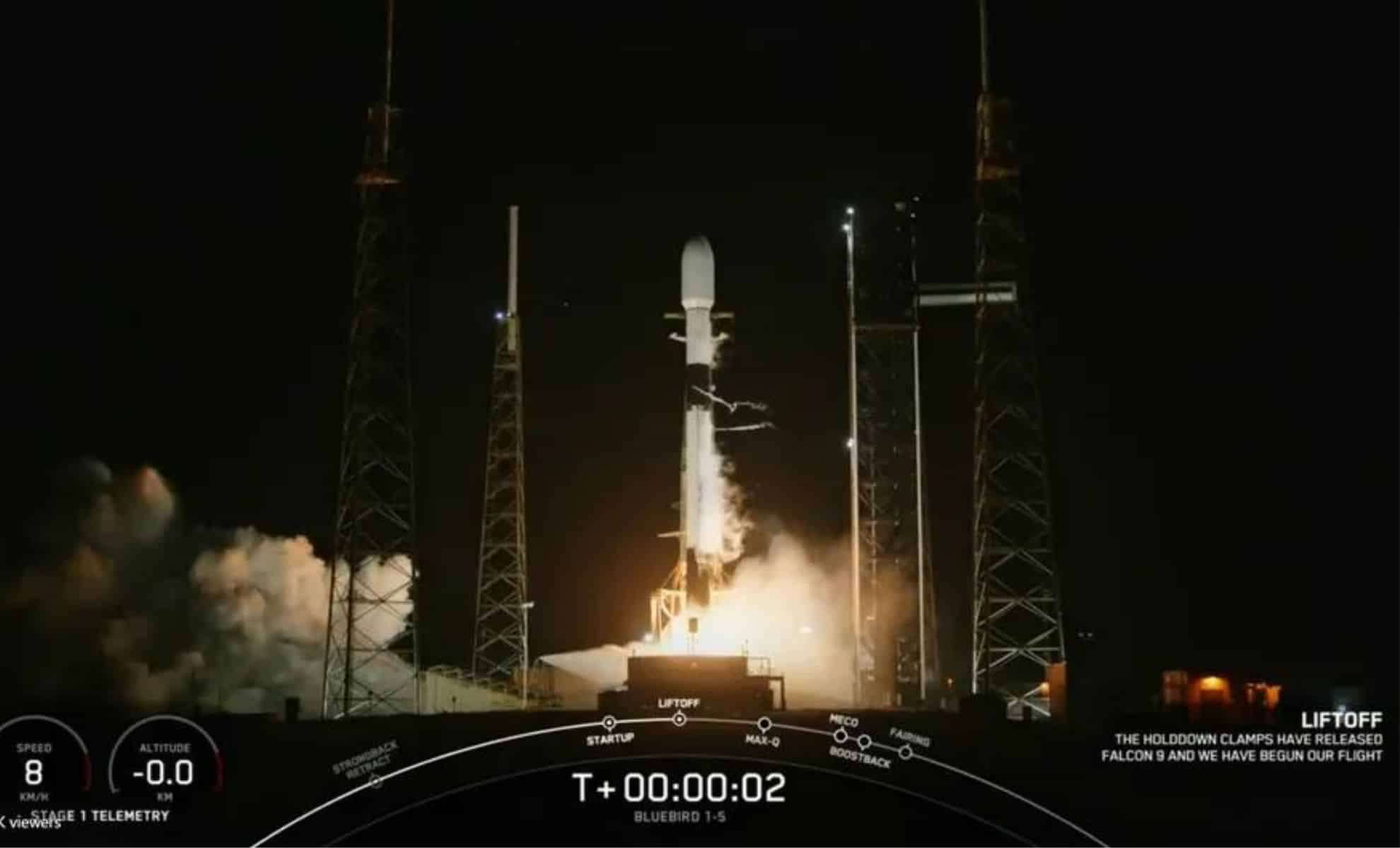
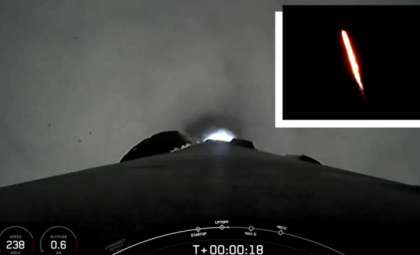
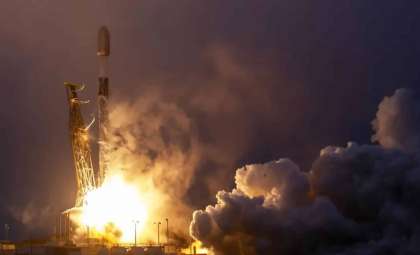
On September 12, 2024, SpaceX launched the initial batch of production satellites for AST SpaceMobile, advancing efforts to offer broadband connectivity straight to mobile phones.
The mission, launched from Cape Canaveral Space Force Station in Florida, placed the Block 1 BlueBird satellites into low Earth orbit. This marks a significant move forward in AST SpaceMobile's project to establish a worldwide satellite system that delivers connectivity without relying on terrestrial cell towers. The undertaking represents a major breakthrough in satellite communication technology, moving the company closer to enabling global direct-to-device cellular coverage.
BlueBird Satellite Features and Deployment
Each BlueBird satellite boasts a massive 693-square-foot antenna, currently the largest commercially deployed satellite array. These antennas allow the satellites to communicate with ordinary smartphones, eliminating the necessity for specialized handsets. The five satellites, each weighing 3,300 pounds, form the backbone of AST SpaceMobile's emerging network, designed to provide intermittent mobile service over expansive areas. Although coverage in the United States will initially be limited to under an hour per day, this launch sets the stage for a fully operational satellite mobile network in the future.

After deployment, AST SpaceMobile confirmed successful communication with all five satellites. Company president Scott Wisniewski noted the system's current capacity limitations: “Five satellites would only be able to provide intermittent connectivity totaling less than an hour a day in the United States.” Despite the constraints, this early service can support functions like remote monitoring, emergency backup communication, and pilot testing with early adopters interested in experiencing space-based broadband.
Collaborations with AT&T and Verizon to Enable Service
Key U.S. telecommunications giants AT&T and Verizon back AST SpaceMobile's vision of direct-to-smartphone satellite broadband. Both providers have invested in the initiative and intend to supply the wireless bands necessary to support standard smartphones. When the satellite constellation grows sufficiently, consumers will link to the network using their existing devices, potentially revolutionizing coverage in rural and hard-to-reach regions currently lacking reliable cellular access.
The Federal Communications Commission (FCC) has provisionally approved AST SpaceMobile’s first five satellites to operate, but additional regulatory permissions are needed before commercial service can commence. Wisniewski said, “When we want to start testing the wireless frequencies, which will be within the next three months, we’ll have either the commercial approval or we’ll file for a temporary test license.” AST SpaceMobile has already obtained frequency test authorizations in international markets, setting the groundwork for future service offerings.
Plans for Network Growth and Advanced Satellites
The initial five Block 1 satellites mark only the start. AST SpaceMobile plans to deploy between 45 and 60 satellites to ensure uninterrupted U.S. coverage. Chris Sambar, AT&T’s head of network, highlighted the importance of full constellation deployment before public service begins: “While testing will continue with each launch, we will only provide services to mobile customers when the full array is complete.” Though no official launch date for full service has been announced, the September 12 mission is seen as a critical milestone toward mass satellite broadband delivery.
Looking further ahead, AST SpaceMobile is already building its next-generation Block 2 BlueBird satellites, featuring much larger 2,400 square-foot antennas. These future satellites will offer about 10 gigahertz of processing bandwidth, ten times more than the Block 1 models, enabling peak speeds of 120 Mbps. Their expected lifespan of seven to ten years significantly outperforms the current five-year duration for Block 1 units.
Production rates are projected at four to six satellites monthly, with an aggressive timeline to launch as many as possible in 2025. Wisniewski said scaling production is essential: “That’s a big chunk of the way to 45-60 but, as we continue to raise capital, we’re building as fast as we can.” This ambitious schedule reflects AST SpaceMobile’s commitment to assembling a global network that enables smartphone broadband directly from orbit.
Navigating Industry Concerns and Competitors
Deploying such large satellites has sparked concerns among astronomers. The BlueWalker 3, a prototype launched in 2022, has become one of the most luminous objects in Earth’s night sky, raising worries about light pollution affecting astronomical studies. AST SpaceMobile is addressing these issues by using alternative materials and adjusting satellite positioning to reduce brightness. These efforts aim to mitigate the impact of growing satellite constellations in low Earth orbit on night-sky visibility.
AST SpaceMobile faces substantial competition from SpaceX, which has already deployed over 7,000 Starlink satellites. Starlink currently provides limited satellite-based texting in partnership with T-Mobile and plans to extend into direct-to-phone broadband services. Even with fierce competition, Abel Avellan remains confident: “We’re just getting started… Our next generation of satellites will be three and a half times larger.”







0 comments
Sign in to Comment