
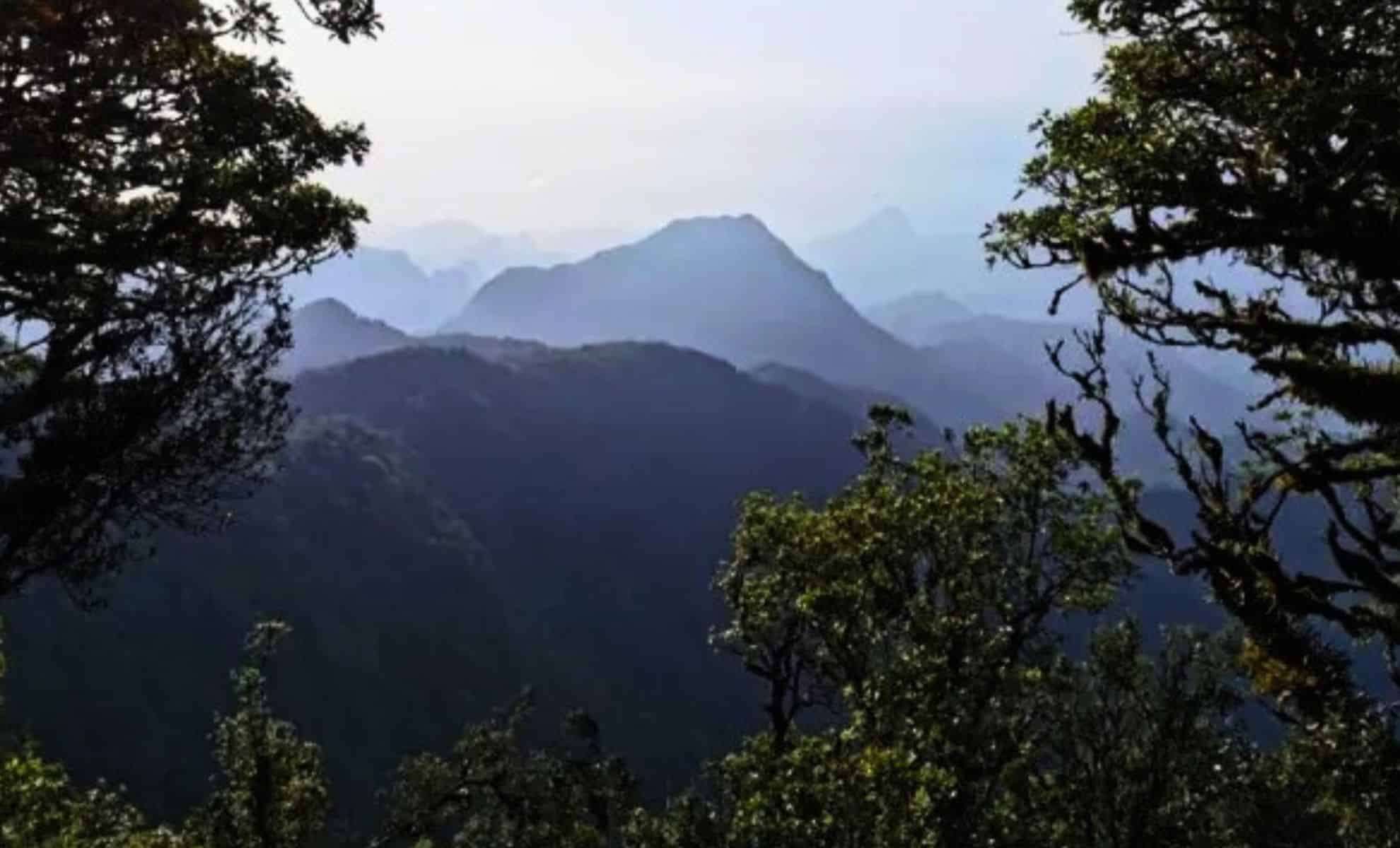
In an unprecedented conservation milestone, the island country of São Tomé and Príncipe has become the first nation globally to have its entire geographic area officially designated as a UNESCO Biosphere Reserve. This landmark proclamation came through on 27 September 2025, following a significant update from the UNESCO Man and the Biosphere (MAB) Programme, which introduced 30 additional biosphere sites worldwide.
Though modest in size—encompassing just over 1,100 km²—the archipelago, nestled in the Gulf of Guinea off West Africa, is a hotspot of rich biodiversity and cultural heritage. UNESCO’s official description highlights the islands as a “refuge of biodiversity,” featuring tropical rainforests, volcanic formations, coral reef systems, and mangrove-lined shores.
“It’s not just about protecting nature. It’s about redefining how a country can develop with nature, not against it,” said a UNESCO spokesperson during the announcement in Paris.
Add Cosmo Herald as a Preferred Source

Distinctive Rainforests and Ecological Connections
The centerpiece of São Tomé’s ecosystem is the Obô Forest, a lush, humid tropical rainforest covering nearly a third of the island. This forest’s significance is amplified by its links to the Congo Basin, the second-largest rainforest globally after the Amazon.
Studies led by the Center for International Forestry Research (CIFOR) have underscored the ecological ties between the Congo Basin and isolated islands like São Tomé, creating an environment of high endemism. Remarkably, the island sustains 148 plant species unique to its environment, alongside rare creatures such as the elusive São Tomé ibis (Bostrychia bocagei), observed primarily in focused scientific studies.
The island’s surrounding marine habitats are equally vital, featuring reefs and islets like Ilhéu das Cabras and Ilhéu Santana that provide critical nesting environments for sea turtles and various seabird populations. These coral ecosystems remain relatively resilient—an increasingly uncommon condition amid global ocean warming.
Community, Agriculture, and Conservation in Harmony
UNESCO biosphere reserves emphasize harmonious human-nature interactions rather than exclusion. On São Tomé, such principles are deeply integrated into the lives of roughly 200,000 residents.
A large portion of locals engage in traditional fishing, organic cacao cultivation, and small-scale eco-tourism. The island’s renowned shade-grown cacao is nurtured beneath forest canopies without synthetic chemicals, celebrated globally for its premium quality and sustainable methods. This product fuels the country’s expanding green economy, supplying elite chocolatiers across Europe.
The biosphere reserve status also boosts São Tomé’s eco-tourism prospects. Activities such as scuba diving, birdwatching, and guided visits to coffee plantations are gaining popularity, with hopes that biosphere recognition will attract environmentally conscious tourists.
“Biosphere reserves serve beyond protection,” states Dr. Florence Muvunyi, a biodiversity expert with the UN Environment Programme (UNEP). “They are real-world experiments in sustainable development.”
UNESCO highlights active community involvement in land management decisions. From local conservation patrols to longstanding agricultural cooperatives, São Tomé’s approach might offer a model for other small island nations confronting intertwined challenges of climate crisis and economic insecurity.
Expanding the Global Biosphere Reserve Network
The inclusion of São Tomé signals a worldwide shift in conservation philosophy. Alongside it, six nations—namely Angola, Djibouti, Equatorial Guinea, Iceland, Tajikistan, and Oman—were granted their first-ever biosphere reserves.
Indonesia’s Raja Ampat archipelago, home to an astonishing diversity—over 1,300 reef fish species and 75% of all coral types—was also added, highlighting the growing focus on marine biodiversity. A 2024 peer-reviewed article in Nature Sustainability notes that close to 60% of Raja Ampat’s reefs are in “good or excellent” condition, a rare bright spot amid widespread coral degradation.
France also celebrated the inclusion of two new biosphere sites: the Lac du Bourget, its largest natural lake, along with coastal wetlands between the Loire and Vilaine rivers, together adding nearly 2,000 km² to Europe’s protected biosphere areas.
Today, the UNESCO biosphere reserve network comprises over 700 protected sites across 130 countries, safeguarding more than 5% of Earth’s land surface. This represents a remarkable growth since the program’s inception in the 1970s, when it was largely confined to academic awareness.
São Tomé and Príncipe: From Overlooked to Exemplary
For São Tomé and Príncipe, often seen as a peripheral player on the world stage, the new UNESCO recognition reshapes its global role. The islands transform from a remote speck to a living emblem demonstrating how environmental protection, cultural legacy, and development can coexist.
The future will reveal whether tourism, outside investments, and climate shifts challenge this biosphere’s standing. For the moment, São Tomé offers a unique glimpse of what a nation-wide biosphere reserve could represent, and why it’s crucial.
- Categories:
- News







0 comments
Sign in to Comment