

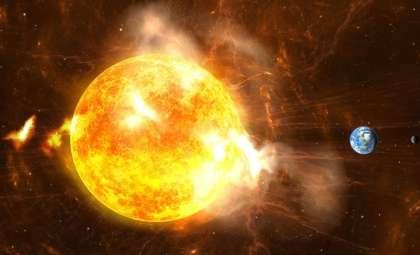
New research reveals the devastating impact that powerful solar storms can have when Earth’s magnetic shield weakens.
These rare events, occurring about every thousand years, could cause serious damage to the ozone layer, profoundly affecting life across the globe.
The Vital Function of Earth’s Magnetic Shield
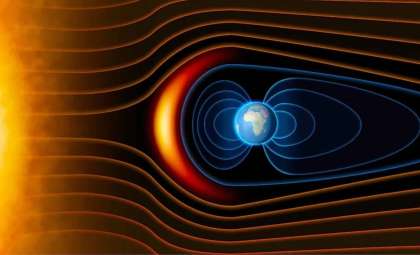
Earth’s magnetosphere serves as a key defense, diverting energetic solar particles and safeguarding our planet from intense radiation. This magnetic field, resembling a giant bar magnet, extends lines of force from one pole to the other, creating a protective magnetic bubble.

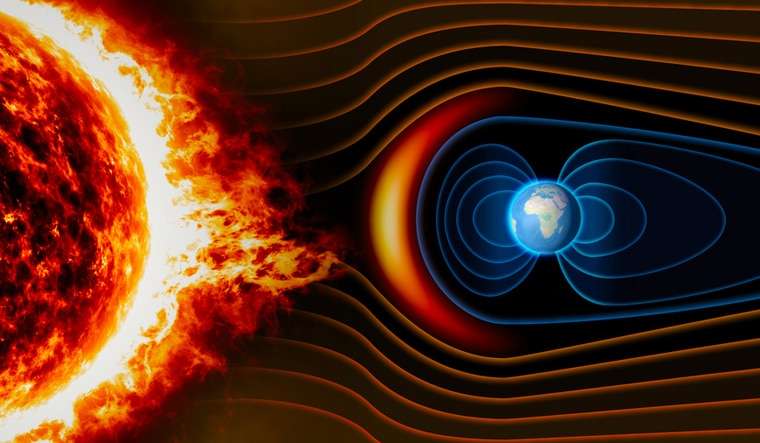
Yet, the strength and orientation of our magnetic field fluctuate over time. In the last hundred years, the north magnetic pole has wandered across northern Canada at roughly 40 kilometers per year, while the field's overall intensity has lessened by more than 6%.
Geological data reveal intervals in Earth’s history when the geomagnetic field nearly vanished or was extremely weak. During such windows, Earth’s atmosphere and surface are far more exposed to solar radiation. Understanding these protective mechanisms is essential for predicting the environmental effects that intense solar phenomena might exert on life today.
Consequences of Powerful Solar Particle Events
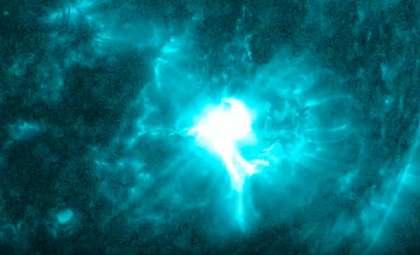
Solar particle events consist mainly of protons released by the Sun, often linked to solar flares, that penetrate deep into the Earth’s atmosphere.

While numerous mild solar particle events occur each 11-year solar cycle, exceptionally intense events are far scarcer but much more impactful. Historical evidence suggests such massive outbursts occur every few thousand years, with the last known episode dated around 993 AD.
These severe solar storms can damage the ozone layer for up to a year, permitting harmful ultraviolet (UV) rays to reach Earth’s surface. This enhanced UV exposure has the potential to harm DNA in living organisms, impede plant growth, and disrupt photosynthesis. For humans, the risks include increased skin cancer rates, cataracts, and weakened immune systems.
Scientists from ETH Zürich and other institutions highlighted the seriousness in The Conversation: “These blasts of protons directly from the surface of the Sun can shoot out like a searchlight into space.” Without sufficient magnetic protection, this radiation can lead to dire outcomes.
Risks Amplified by a Diminishing Magnetic Field
The threat escalates when an extreme solar particle event coincides with a period of magnetic field weakness. Under such conditions, ozone layer degradation could persist for nearly six years, increasing UV radiation by 25% and elevating DNA damage by up to 50%. This poses a major risk to global food production and natural ecosystems, potentially triggering accelerated mutation rates and rapid evolutionary shifts.
This deadly scenario may have occurred between 42,200 and 41,500 years ago, possibly impacting hunter-gatherer populations and contributing to the extinction of the Neanderthals.
Evolutionary Effects and Past Solar Influences
The interplay between solar activity, Earth's magnetism, and evolution is evident in multiple epochs. The Cambrian Explosion about 539 million years ago witnessed a burst in animal diversification, possibly driven by increased UV exposure from a weakened magnetic shield. Similarly, the disappearance of Neanderthals and the extinction of Australia’s megafauna around 42,000 years ago might be connected to intense solar events coupled with reduced geomagnetic protection.
Ongoing research continues to unravel how solar phenomena have influenced Earth’s biological history. Emerging evidence underscores that powerful solar storms, when aligned with a fragile magnetic field, represent a critical hazard to planetary stability and life sustainability.




0 comments
Sign in to Comment