
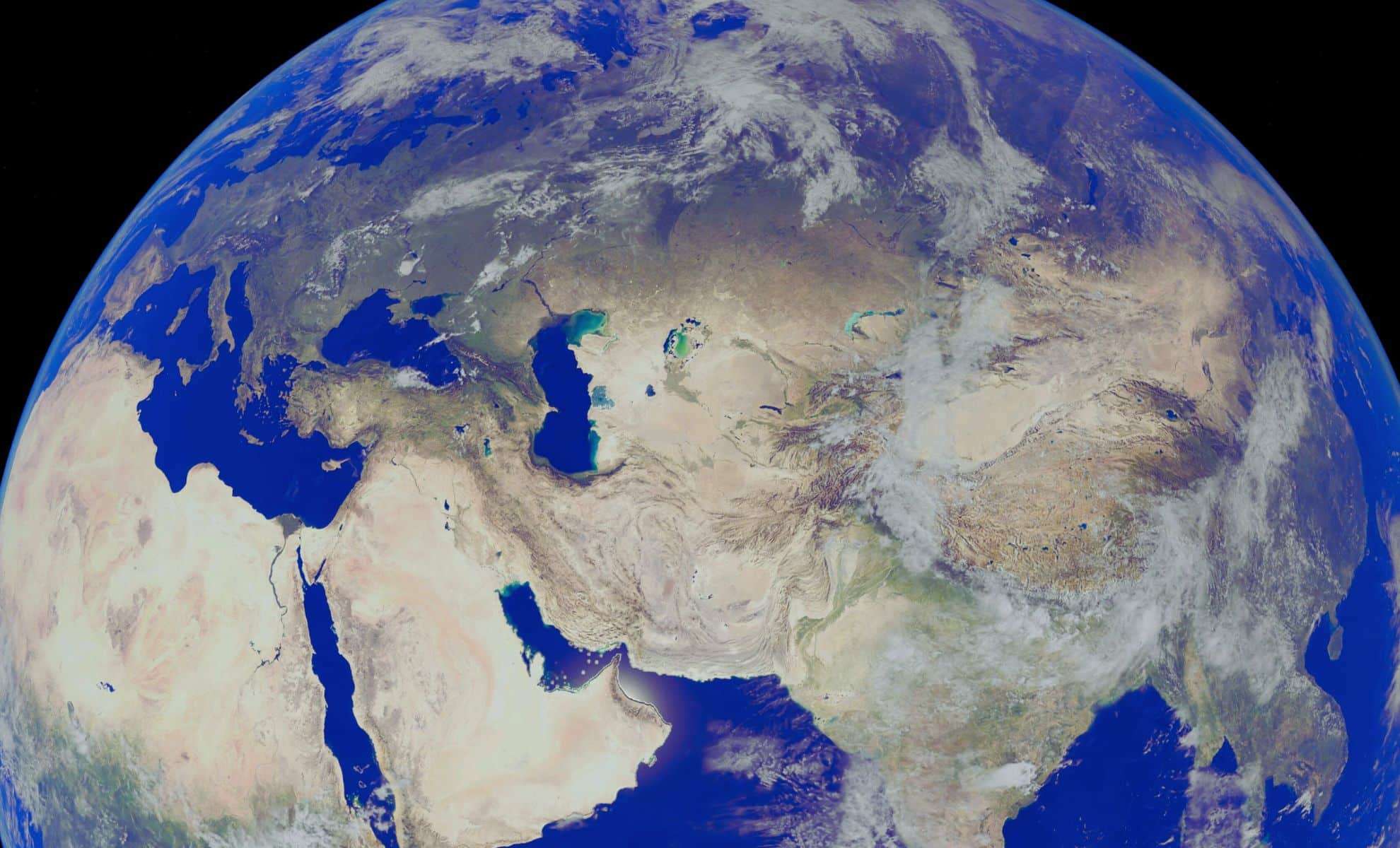
Researchers from the Potsdam Institute for Climate Impact Research in Germany and Austria's BOKU University have unveiled significant findings about the state of the planet's biosphere. Published in One Earth, their study examines "functional biosphere integrity," which assesses how well plant ecosystems support critical processes such as carbon, nitrogen, and water cycling. The analysis reveals that about 60% of global terrestrial surfaces are under threat, with a considerable portion categorized as high-risk. Multiple indicators were used to determine how human activities impact the biosphere, relating these impacts to challenges like biodiversity decline and climate disruption.
Increasing Pressure on Earth's Biosphere Raises Global Concerns
Lead author Fabian Stenzel highlighted the essential role the biosphere plays in providing food, raw materials, and future climate regulation. He stated, "Our civilization depends heavily on the biosphere’s functionality, making it crucial to quantify the extent of the strain we're imposing and recognize when ecosystems become overwhelmed. Our study aims to establish a foundation for such assessments."
The team discovered that vast expanses of Earth’s terrestrial areas have breached key thresholds necessary for maintaining the biosphere’s stability. The findings underscore the tremendous impact of human actions, particularly agriculture and industry, which jeopardize vital ecological systems and the natural cycles that sustain life on the planet.

Escalating Threats Highlighted by High-Risk Zones
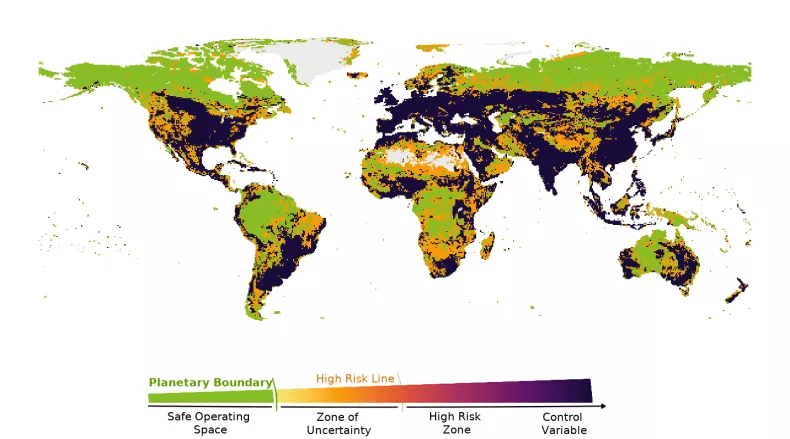
The study’s detailed map paints a troubling portrait of Earth's ecological health. Currently, 60% of land worldwide has exceeded safe limits for biosphere functionality. Notably, 38% falls into the high-risk category, with vulnerable areas spanning Europe, Asia, and North America. The research indicates that many ecosystems crossed dangerous thresholds well before climate change’s widespread visible impacts.
Study coordinator Wolfgang Lucht explained that "the framework focuses on energy flow from photosynthesis in global vegetation, a core factor in maintaining planetary equilibrium." Human activities divert energy flows key to ecosystem function, disrupting natural cycles crucial for biosphere stability and elevating risks for ecosystems globally.
Tracing Human Impact Back through Centuries
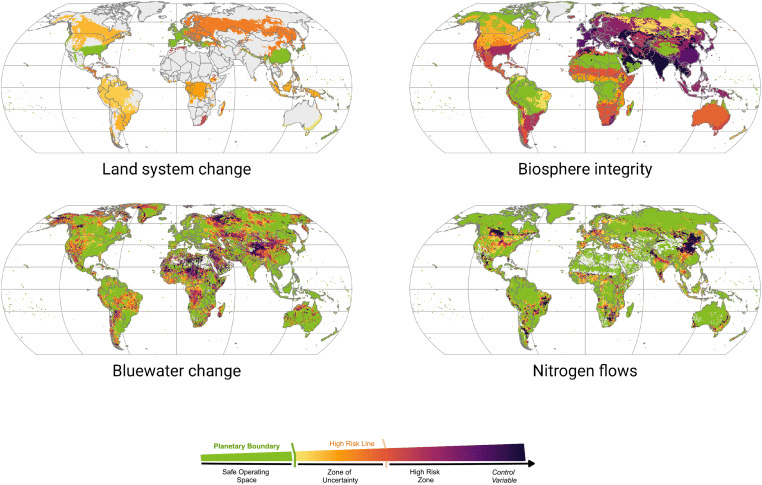
This work provides a historical perspective on biosphere integrity extending to the 1600s. By analyzing land use and climatic factors since that time, the authors identified mounting pressure on Earth’s biosphere beginning with early industrialization. By 1900, nearly 37% of land exceeded safe thresholds, and 14% was already in high-risk categories.
This historical insight reveals that current biosphere challenges stem not only from modern climate change but also from centuries of land transformation and resource exploitation. Ongoing ecosystem degradation linked to past and present industrial and agricultural practices is pushing Earth toward a potential ecological crisis.
Addressing the Crisis: Integrated Biosphere and Climate Action Needed
Johan Rockström, director of the Potsdam Institute for Climate Impact Research, emphasized the significance of this new scientific mapping, urging policymakers globally to recognize the connection between biosphere preservation and climate mitigation. He stated, "Governments must combine efforts into one holistic strategy addressing both biosphere health and climate action."
The study advocates for urgent international measures, underscoring the essential role of natural carbon sinks and biodiversity in climate regulation. Strengthened policies that protect ecosystems while curbing climate change impacts are key to securing Earth's long-term environmental resilience.
- Categories:
- News










0 comments
Sign in to Comment