
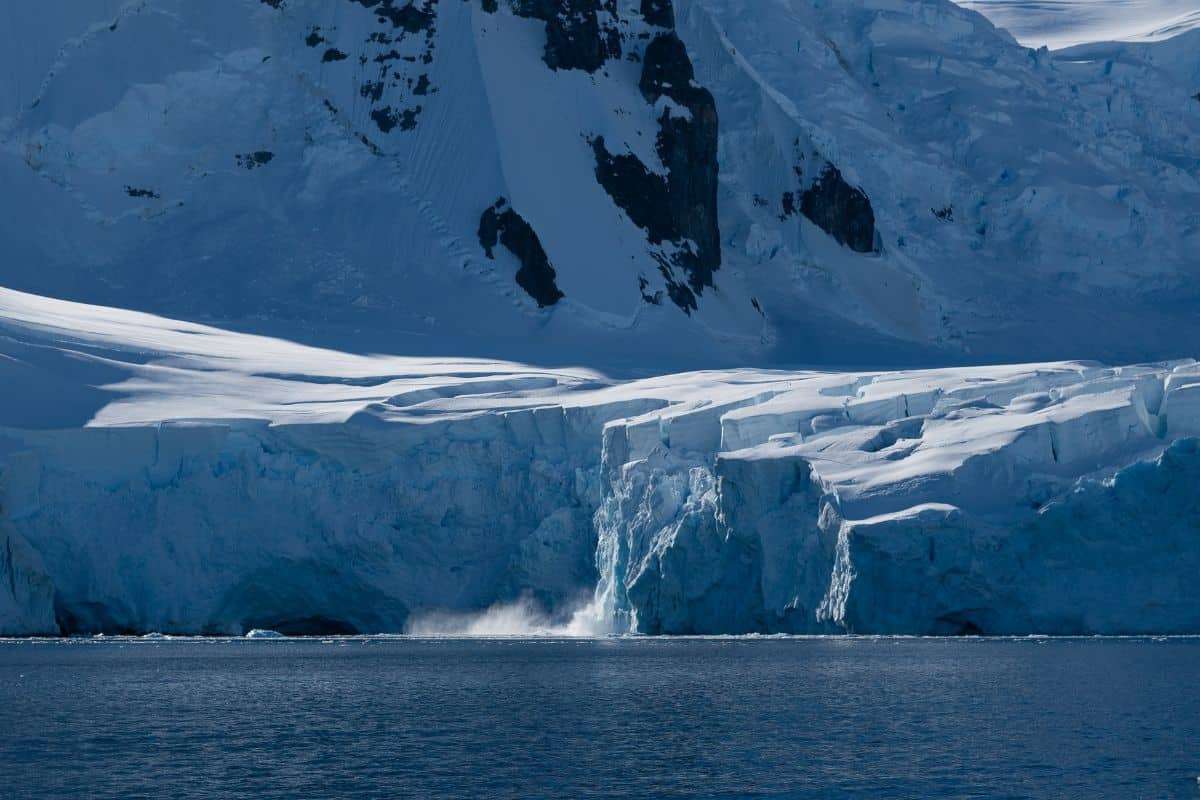
The Antarctic continent, known for being the coldest and most isolated place on Earth, is undergoing rapid changes that challenge our understanding. Scientists have long recognized that the Antarctic ice sheet—a colossal reservoir of frozen water capable of raising global seas by 58 meters—is shrinking. Yet only recently have they uncovered that the ocean itself is the chief agent behind this dramatic ice loss.
Emerging studies reveal the complex dynamics beneath the ice, unveiling a realm dominated by intricate currents, harsh environments, and continuous reshaping driven by melting. These findings are both eye-opening and concerning.
How the Ocean Secretly Erodes Antarctica
Satellite data has for years documented retreating glaciers and ice shelves—the floating extensions of Antarctica’s vast ice sheet. However, quantifying the exact mechanisms of ice depletion has remained difficult.

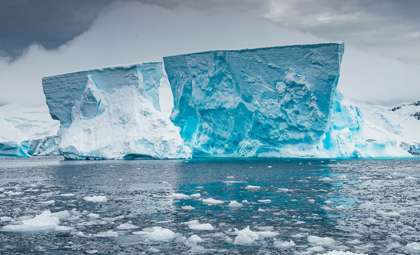
The primary process behind this loss is known as basal melting, where the ocean undermines the ice from beneath. Warmer, salt-laden water infiltrates underneath ice shelves, silently dissolving them like unseen artisans sculpting under-ice caves. As these shelves grow thinner, they lose strength, causing glaciers to accelerate their journey into the ocean, significantly raising sea levels.
Although hypothesized for some time, the precise drivers of this melting were not clearly understood until cutting-edge research illuminated the phenomenon.
The Crucial Role of the Ice-Ocean Interface
The boundary layer between ice and ocean—a narrow, turbulent zone where Antarctica’s frozen surface meets ocean waters—is central to these melting processes. This region, only millimeters to centimeters thick, governs the heat transfer from seawater to ice.
Innovations in numerical modeling and autonomous underwater vehicles have opened new windows into this elusive interface. Investigations reveal that melting rates are influenced by ocean water currents, temperature, salinity, and the shape of the ice formations.
Sometimes, melting ice produces a protective freshwater layer that slows further erosion. In other cases, sharp ice edges combined with rapid currents stir this meltwater into warmer layers, hastening the melt. Consequently, melting varies significantly across Antarctic regions, shaped by localized ocean conditions.
Melting's Remarkable Footprint Beneath the Ice Shelves
The process of melting has carved some extraordinary features under the Antarctic ice shelves. Sonar-equipped submersibles have mapped intriguing formations, including:
- Scallops—curved depressions resulting from uneven melt patterns
- Terraces—layered steps formed by differential melting rates
- Mussel-shaped hollows—irregular scoops caused by turbulent freshwater flows
These icy sculptures provide valuable insights into melting dynamics and influence how water circulates beneath the shelves, affecting subsequent melting.
For instance, the Dotson Ice Shelf in West Antarctica shows contrasting features: gentle terraces in the warm, tranquil east, and erratic, scoop-like hollows on the colder, swiftly flowing west side. Clearly, the ice shelf’s shape directly impacts its melting speed.
Global Implications of Antarctic Ice Decline
The dwindling Antarctic ice has consequences far beyond the continent itself. It is predicted to become the dominant cause of sea level rise by 2100, with forecasts ranging widely—from a 44 cm increase to an unexpected 22 cm decrease based on climate trajectories.
This uncertainty is due to the intricate ocean-ice interplay. Without incorporating these new findings into climate prediction models, estimations of sea level changes risk being inaccurate, leaving vulnerable coastal zones unprepared for coming challenges.
Beyond rising seas, melting ice shelves disrupt the global ocean circulation—slowing currents that regulate worldwide climate. This may adversely affect weather systems, marine ecosystems, and carbon sequestration in deep ocean layers.
Advancing Our Understanding of Antarctica’s Fate
Despite significant progress, much remains unknown. Researchers are developing more refined computational simulations to capture the complex interactions between ocean and ice.
The upcoming phase involves deploying additional state-of-the-art underwater drones to probe deeper, more hostile zones beneath the shelves. The objective is to minimize uncertainties around future sea level projections and better equip humanity to face forthcoming changes.
One fact is undeniable: Antarctica is melting due to ocean-driven processes. The urgent questions now focus on rate and extent, and how these changes will reshape our planet.
- Categories:
- Science







0 comments
Sign in to Comment