
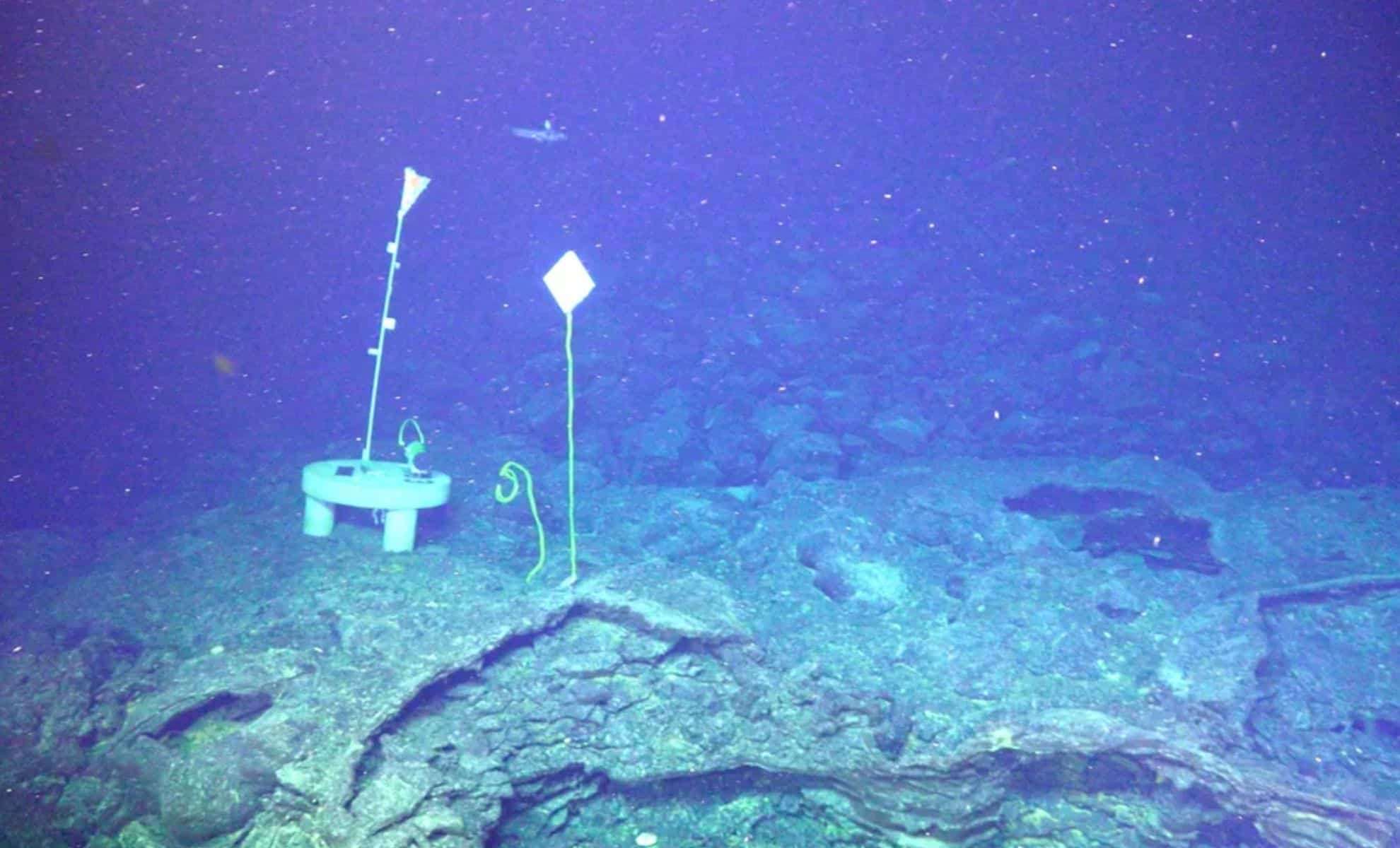
The Axial Seamount, recognized as the most eruptive volcano in the Northeast Pacific Ocean, is exhibiting clear indicators that an eruption may be approaching. Recent seismic observations and geophysical analyses, featured in Nature Communications, highlight increased volcanic activity beneath the seafloor. Situated roughly 480 kilometers off the coast of Oregon and submerged under about 1,400 meters of ocean water, Axial has experienced three eruptions in the last 30 years. Its possible resurgence offers scientists a unique window into submarine volcanic behavior and the impacts on geological processes and marine ecosystems.
Axial: A Submerged Giant of the Pacific
Despite being the region’s most vigorous underwater volcano, Axial remains largely unknown to the public due to its hidden location beneath the ocean surface. Volcanologist Bill Chadwick highlighted in an Oregon Public Broadcasting interview: “Axial is the most active volcano in the Northeast Pacific which maybe some people don’t know, because it’s hidden under the ocean.” Though its eruptions are less visible than those of terrestrial volcanoes like Hawaii’s Kīlauea, their importance is significant. Continuous inflation of the volcano’s magma chambers since its last eruption in 2015, combined with increased seismic tremors and changes in hydrothermal vents, point towards magma dynamics deep below that may herald a forthcoming eruption.
An Exceptional Site for Studying Underwater Volcanic Activity
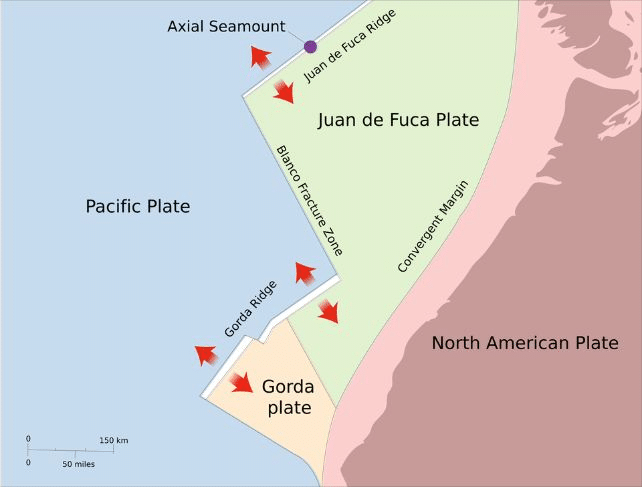
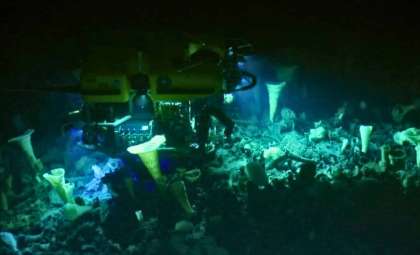
Axial Seamount offers more than geological interest; it serves as an unparalleled natural laboratory to examine underwater volcanic processes. Unlike volcanoes on land, submarine eruptions occur under high pressure with rapid cooling effects and complex interactions with seawater. Each eruption here helps unravel how magma behaves in these extreme conditions. Positioned along the Juan de Fuca Ridge and fed by a hot mantle plume, Axial is particularly active. Researchers have gained valuable insights into how magma reservoirs swell and fractures form prior to eruptions. Past eruptions in 1998, 2011, and 2015 concentrated along the caldera’s eastern edge. As geophysicist Jidong Yang and colleagues observed: “The reason for the connection between the high-melt zone and the focusing of eruptive fissures near the eastern caldera wall in 1998, 2011, and 2015 remains unclear.”

Indicators Pointing to an Impending Eruption
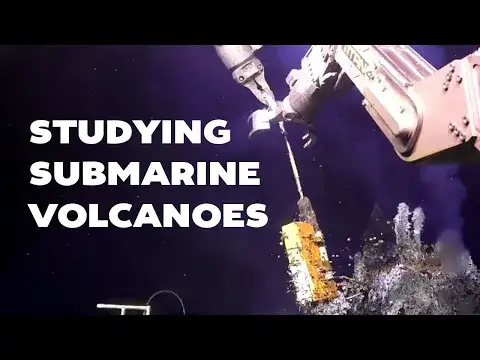
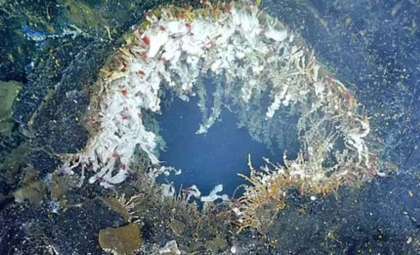
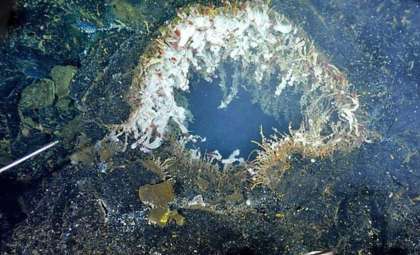
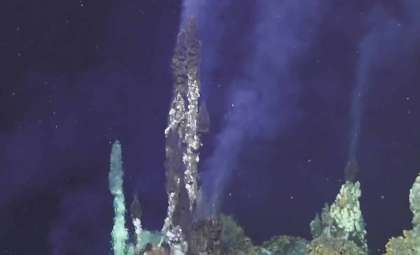
Data gathered from sensors on the seafloor reveal clear signs that Axial’s magma chamber is inflating. Following the 2015 eruption, the volcano’s caldera floor has steadily risen as magma accumulates beneath. By 2024, the uplift surpassed levels seen prior to the previous eruption, suggesting another event could be imminent. An increasing number of microearthquakes, associated with magma traveling through underground fissures, have also been detected. Shifts in hydrothermal activity hint at new heat sources developing below the surface. While submarine eruptions typically don’t threaten human populations, they are crucial in shaping seafloor landscapes and sustaining unique marine ecosystems.
Broader Importance of Axial Seamount
Axial’s eruptions extend beyond geological significance; they also impact oceanic chemistry, marine life, and global climate dynamics. Undersea volcanic activity releases large quantities of carbon dioxide, methane, and minerals into surrounding waters. These substances nourish specialized microbial communities and sustain hydrothermal vent ecosystems hosting distinctive organisms. Moreover, Axial acts as a critical testbed for continuous ocean monitoring. Arrays of seafloor instruments enable real-time surveillance of volcanic processes, making it one of the most closely scrutinized underwater volcanoes globally. Studying Axial helps scientists predict submarine eruptions and offers broader insights into volcanic systems worldwide.
- Categories:
- News



0 comments
Sign in to Comment