
Located roughly 300 miles offshore from Oregon, a colossal seafloor volcano is gearing up to erupt, according to geologists. This is the first occasion where the public can observe the activity live. Specialists at Oregon State University have been tracking this feature on the Juan de Fuca Ridge, a tectonically vibrant zone beneath the Pacific Northwest. Identified as the area’s most volatile volcano, recent measurements reveal the magma reservoir is swelling swiftly, reminiscent of a balloon being inflated before bursting.
Signs Echo the 2015 Explosion
The 2015 eruption of Axial Seamount unleashed considerable power, causing nearly 8,000 submarine earthquakes, pouring out lava flows several hundred feet thick, and making the ocean floor drop almost eight feet. This occurrence revolutionized underwater volcanic observation by introducing advanced technology including pressure gauges and high-res cameras, part of the Ocean Observations Initiative.
Volcanologist William Chadwick from Oregon State University states the volcano is now "at or nearing the same inflation point" seen before the 2015 event, and satellite data confirm the seafloor elevation above Axial has risen close to the previous peak.

Unprecedented Glimpse into Submarine Volcanism
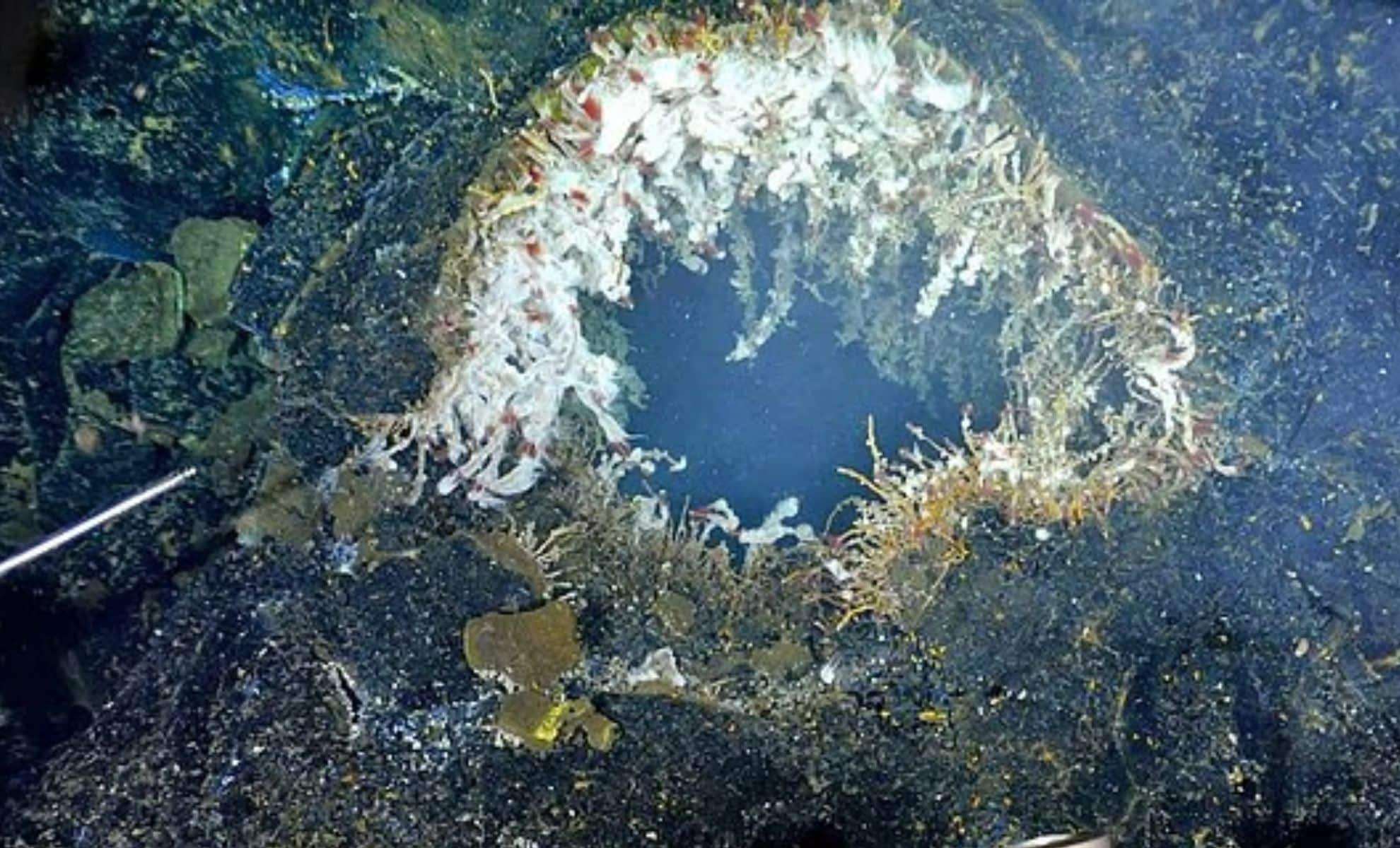
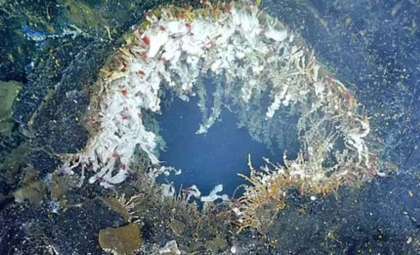
To document the impending eruption, researchers have placed a live stream camera near the volcano’s summit, accessible daily via the Interactive Oceans portal. The feed highlights a 14-foot-high hydrothermal chimney dubbed “Mushroom” located within the ASHES vent area on Axial’s western side.
This vent stands atop historic lava deposits and is encircled by white microbial mats and tube worms — unmistakable indicators of hydrothermal circulation and warm fluids permeating basalt fractures.
According to Chadwick, Axial exhibits characteristics similar to volcanoes in Hawaii, where pressure gradually accumulates before eruptions. “These volcanoes inflate akin to a balloon,” he noted. “Axial’s elevating seafloor is a major sign of such pressure buildup.”
Rising Earthquake Frequency Points to Growing Magma Pressure
In recent weeks, seismic tremors under the volcano have intensified markedly, signaling magma is pushing upwards with greater force. Currently, underwater tremors occur at several hundred daily, with projections of reaching up to 10,000 within a day once the eruption starts.
Chadwick’s team observed these patterns starting November 2024, when seafloor uplift accelerated after a period of stagnation. A 2024 publication described Axial as having "suddenly awoken", exhibiting fast alterations in shape and internal pressure.
Upon eruption, the volcano is expected to expel billions of cubic feet of highly fluid lava, weighing several million tons. Some lava formations might rival the height of iconic structures like Seattle’s Space Needle.
No Danger for Humans, But a Scientific Milestone
Despite its vast scale, Axial’s eruption presents no risk to shore populations. Scientists stress its deep, remote offshore location precludes any hazard to people or continental seismic events.
More importantly, this situation grants a rare chance to observe a deep-ocean eruption almost in real-time. Axial Seamount is now deemed the world’s finest monitored submarine volcano, yielding crucial knowledge about underwater volcanic processes.
- Categories:
- News


0 comments
Sign in to Comment