

This summer, skywatchers have the chance to witness a rare celestial explosion: the nova eruption of T Coronae Borealis, colloquially called the “Blaze Star.”
Situated roughly 3,000 light-years away, this event represents a nova—an intense thermonuclear blast on the surface of a white dwarf. NASA describes this occurrence as a “once-in-a-lifetime” phenomenon that will be bright enough to see without any optical aid, marking a remarkable opportunity for both enthusiasts and researchers.
What Causes the Blaze Star's Nova Outbursts?
The Blaze Star is a binary system composed of a white dwarf and its red giant companion. The white dwarf, a compact stellar remnant roughly Earth-sized but with a mass similar to the Sun, continuously siphons hydrogen gas from the red giant star.

Eventually, the collected hydrogen accumulates and ignites a powerful thermonuclear explosion on the white dwarf’s surface. Unlike supernovae, which obliterate the star, novae preserve the white dwarf, allowing this explosive cycle to recur over thousands to hundreds of thousands of years.
Dr. Rebekah Hounsell, an expert on novae at NASA's Goddard Space Flight Center, shared her enthusiasm: “Being able to witness this event firsthand is truly thrilling. It will inspire new astronomers, offering young observers a chance to explore a major cosmic event on their own terms, pose questions, and gather data.”
This eruption will cause a dramatic brightening, making the Blaze Star visible to the unaided eye from Earth. NASA points out the rarity of such a proximal nova, highlighting its scientific importance. As Hounsell remarked, “Recurrent novae typically occur with lengthy intervals, and it’s uncommon to observe one nearby within a single lifetime.”
When and Where to Look for the Nova
The precise timing of the Blaze Star's explosion is still unpredictable, but NASA expects it to happen at some point during the summer months. Its intensified glow should remain visible for approximately one week, offering a generous window for observations.
Astrophysicist Koji Mukai from NASA cautions about the unpredictability: “Recurrent novae often defy expectations. Just when we think we’ve understood their cycles, they can behave unexpectedly. We’re eager to see how T CrB performs.”
Legacy and Scientific Importance of the Blaze Star
The Blaze Star’s eruptions have been documented for centuries, beginning with a sighting in 1217 when a faint star suddenly blinked brilliantly. Its previous outburst occurred in 1946, making this year’s event especially noteworthy. Close, recurrent novae like this are rare, adding significant value to ongoing research.
Elizabeth Hays, head of the Astroparticle Physics Laboratory at NASA Goddard, highlighted the event's research potential: “Tracking the nova from its peak brightness through its decline is crucial. Early observations are especially valuable, so contributions from attentive citizen scientists will greatly enhance our understanding.”
Tips for Observing the Nova
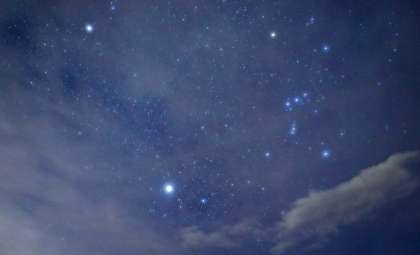
Aspiring observers are advised by NASA to scan the skies after sunset this summer, directing their gaze towards the Northern Crown constellation, nestled between stars Vega and Arcturus. The distinctive curve of Corona Borealis will lead observers to the Blaze Star’s location. Given the nova’s fleeting visibility, clear nights are essential for optimal viewing.
This uncommon nova event presents a unique moment for astronomers and enthusiasts to engage with a dramatic cosmic phenomenon. As Dr. Hounsell noted, “This remarkable event will ignite enthusiasm among future scientists.” Stay updated via NASA’s official outlets and prepare for an extraordinary summer under the stars.
- Categories:
- Astronomy ,
- News ,
- Space ,
- Nasa










0 comments
Sign in to Comment