
A recent study spearheaded by Vera Korasidis and palynologist Barbara Wagstaff, featured in Alcheringa: An Australasian Journal of Palaeontology in May 2025, reveals detailed insights into the polar forests of southern Australia during the Early Cretaceous era, roughly 120 million years ago. By analyzing both plant fossils and dinosaur remains, the researchers reconstructed the ancient habitats that supported distinctive polar dinosaurs, shedding light on an ecosystem vastly different from today’s.
Dinosaurs in a Polar Realm
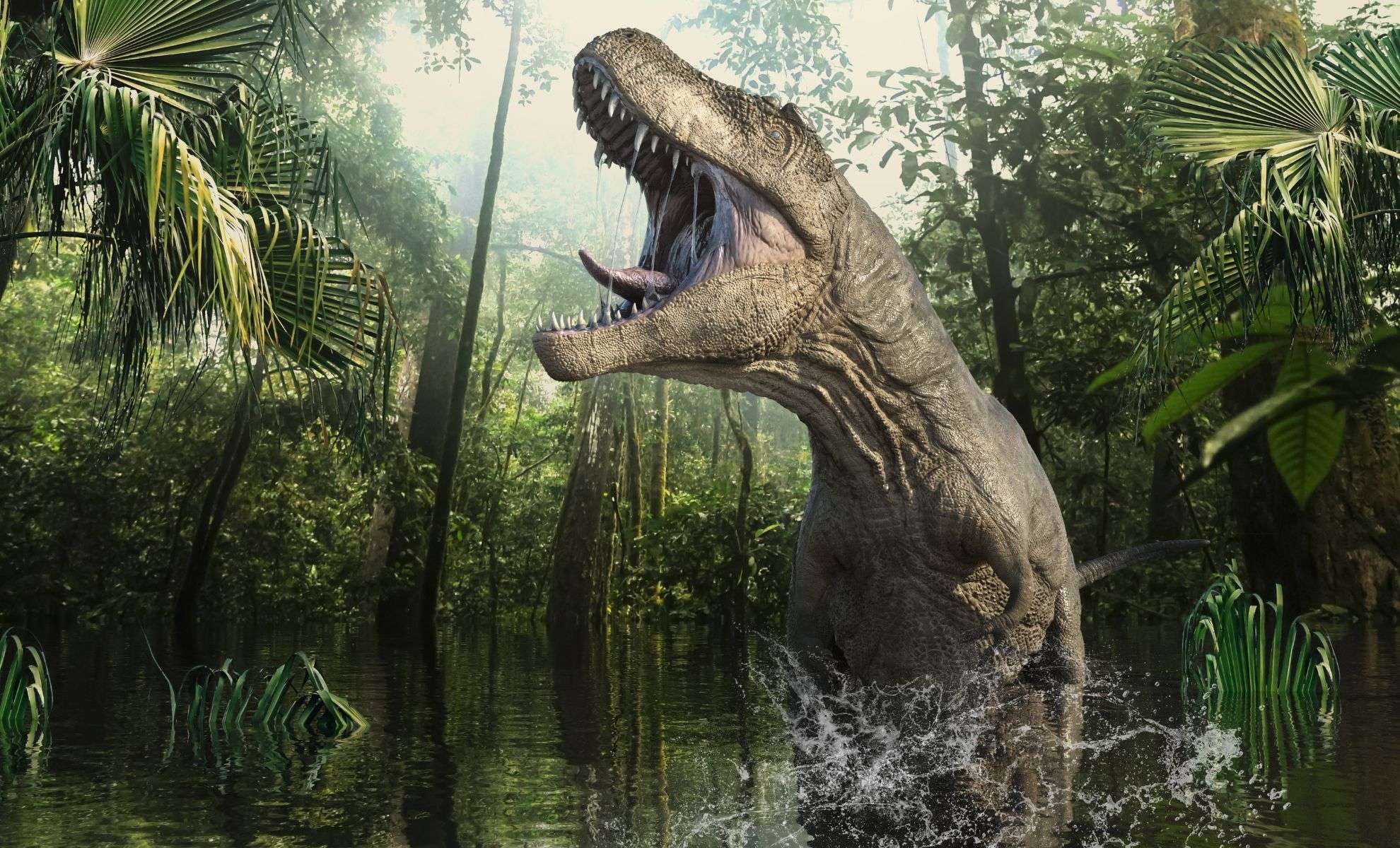
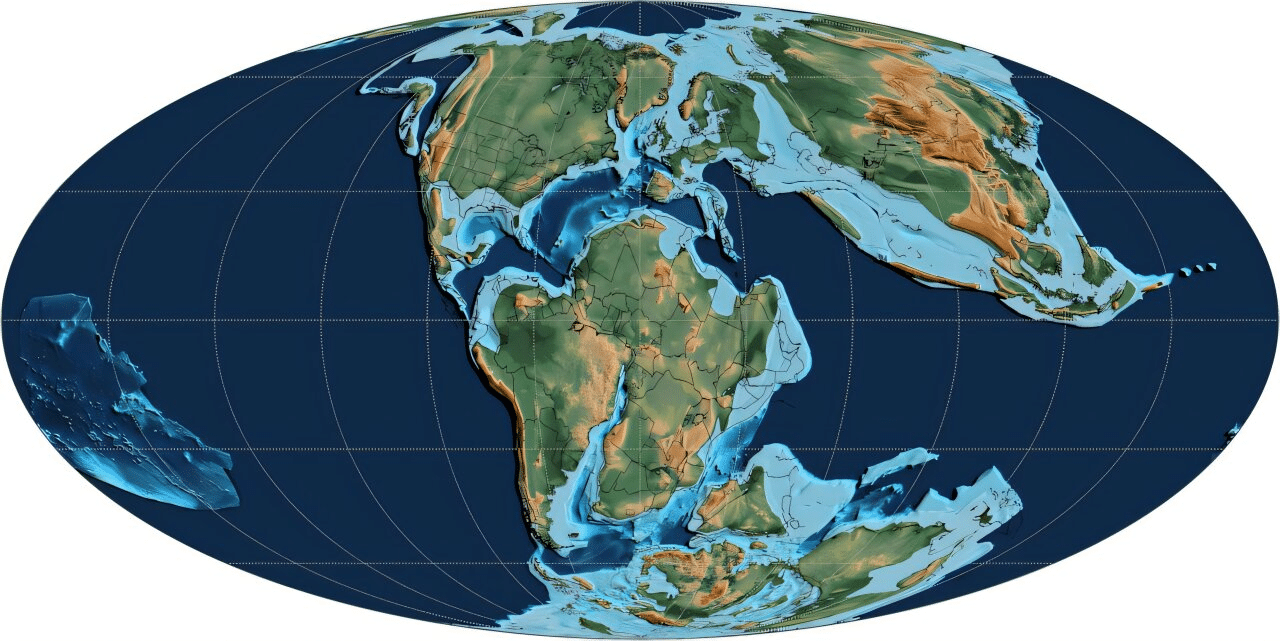
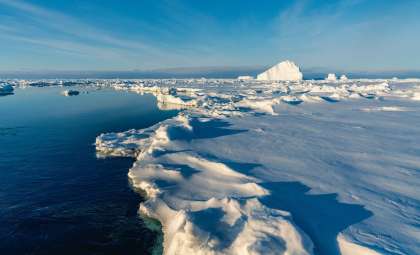
Between 140 to 100 million years ago, what is now Victoria, Australia, lay deep within the polar circle, much closer to the South Pole. This unique positioning meant the land experienced extended periods of darkness in the winter months. Despite these extreme conditions, a diverse range of dinosaurs thrived here, including small, herbivorous ornithopods with beaked mouths, and formidable carnivorous theropods. Their endurance and adaptation to the cold, dark environment highlight the remarkable resilience of these ancient creatures.
Reconstructing Ancient Ecosystems Through Plant Fossils
The team investigated plant fossils discovered in rock formations alongside dinosaur bones across the region to better understand the environment these animals inhabited. Palynologists, specialists in fossil pollen and spores, played a pivotal role in identifying the key vegetation species of that period. These included a range of ferns, conifer trees, and some of the earliest flowering plants, crucial for mapping the evolution of flora that sustained the polar dinosaur habitats.

Flowering Plants Flourish Amidst Ancient Global Warmth
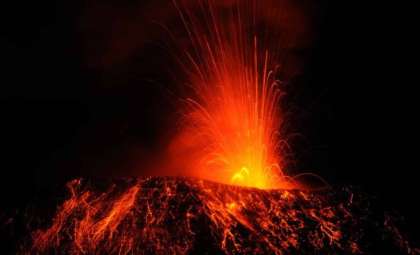
A major revelation from the research is the emergence of flowering plants within the fossil record during this era. The Early Cretaceous was characterized by some of the warmest global temperatures in Earth’s history, primarily fueled by intense volcanic activity. This volcanic activity released vast amounts of carbon dioxide, driving a greenhouse effect that melted polar ice caps and raised sea levels. These conditions facilitated the rapid expansion of flowering plants, which had originated about 132 million years ago, fundamentally transforming global vegetation by outcompeting many earlier species like lycophytes and ferns.
From Ferns to Flowering Plants: A Botanical Shift
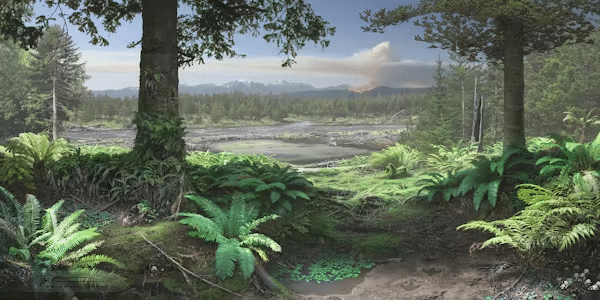
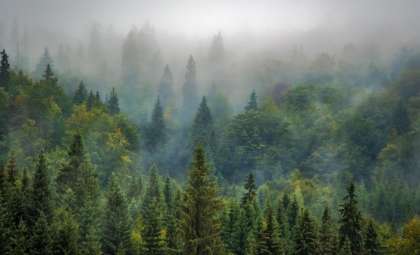
This botanical transition reshaped the landscape dramatically. By the tail end of the Early Cretaceous, approximately 100 million years ago, Victoria’s forests featured an open canopy mainly formed by conifer trees, with an undergrowth of seed ferns, various ferns, and early flowering plant species. This shift from fern-dominated vegetation to the rise of flowering plants was a critical development in plant history, paving the way for new ecosystems by replacing many older species and altering forest composition.
Ancient Climate Change Offers Modern Insights
Studying the Early Cretaceous polar ecosystems extends beyond historical interest, as it also informs our understanding of present-day climate change. The warming events of that time bear similarities to current climate trends, especially the rise in atmospheric carbon dioxide driving global temperature increases. Investigating how both flora and fauna adapted to those ancient environmental shifts helps scientists predict potential responses of modern ecosystems, providing crucial knowledge for developing strategies to address ongoing climate challenges.
- Categories:
- News





0 comments
Sign in to Comment