

Researchers have recently identified an exceptionally rare blood type, which has been documented in only one human being worldwide. Named Gwada negative, this blood group was discovered by experts at the French Blood Establishment (EFS) through the analysis of a blood sample collected over a decade ago. This finding introduces an unprecedented complexity to the classification of blood groups, which remains critical for secure blood transfusions.
A Distinctive Blood Type Arising from a Rare Mutation
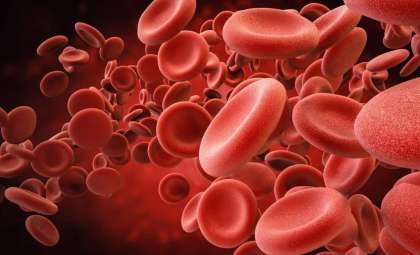
The Gwada negative blood type is recognized as the 48th official blood group, joining the familiar A, B, AB, and O groups, each divided into positive and negative variants. This discovery highlights the remarkable variability within human blood types. While the prevailing ABO-Rh system is commonly used, researchers have identified more than 600 different antigens on red blood cells, suggesting millions of potential blood type combinations, though the International Society of Blood Transfusion (ISBT) currently classifies only 47 blood groups.
This unique blood type traces back to a French woman residing on the Caribbean island of Guadeloupe. Undergoing routine preoperative testing, her blood sample led to this significant revelation. The blood's uniqueness stems from a genetic mutation uncovered after prolonged research. The investigation began in 2011 when an atypical antibody was noticed, and precise DNA analysis in 2019 confirmed the mutation responsible.

Gwada Negative Stands Alone Globally
This blood type is unique to the woman carrying it. Thierry Peyrard, a medical biologist at EFS, stated that she is “undoubtedly the only known case in the world” and emphasized that “she is the only person in the world who is compatible with herself.”
In practical terms, this means she can only receive transfusions of her own rare blood type, underlining the extraordinary rarity of Gwada negative. This genetic mutation was inherited from both parents, who each carried the uncommon gene.
Proper understanding of blood antigens is vital to safe transfusions, as incompatible blood can trigger harmful immune responses. Identifying rare blood types like Gwada negative ensures that patients get the most compatible transfusions, which is critical when only perfectly matched blood can prevent severe complications.
The Growing Field of Blood Type Discoveries
While Gwada negative is the latest addition to the catalog of human blood types, it’s anticipated that more will be identified in the coming years. Recent advances in genetic sequencing technologies have accelerated the pace of these discoveries. For instance, the 44th known blood type, called “Er,” was identified as recently as 2022. Continued innovation promises a surge in uncovering new blood variants.
This finding not only marks a scientific breakthrough but also has significant medical implications. Improved blood type identification enhances transfusion compatibility, helping medical professionals avoid dangerous immune reactions and providing safer healthcare for patients with extraordinary blood traits.
- Categories:
- News










0 comments
Sign in to Comment