

Managing high blood pressure, or hypertension, often requires key adjustments in daily habits to reduce the risk of serious health events like heart attacks, strokes, and kidney problems.
Beyond medication and physical activity, dietary choices are crucial—particularly concerning sodium, a frequently overlooked factor in elevating blood pressure. Specialists agree that limiting sodium intake is vital for those affected by hypertension to support cardiovascular wellness.
The Role of Sodium in Raising Blood Pressure
Sodium plays a significant role in the onset and progression of hypertension. When consumed in excess, sodium leads the body to retain fluid, thereby increasing blood volume and adding pressure on the heart and arteries. Persistently high sodium can contribute to the stiffening and narrowing of blood vessels, causing sustained high blood pressure. Hence, sodium restriction is a highly effective dietary adjustment for managing hypertension.

The American Heart Association (AHA) notes that reducing sodium intake by as little as 1,000 milligrams daily can make a marked difference in blood pressure control. For individuals with hypertension, the AHA advises keeping sodium consumption under 1,500 milligrams each day. Achieving this limit can be difficult, since sodium is often concealed in many processed and packaged foods.
Sarah Currie, M.S., RD, personal trainer and co-owner of Physical Equilibrium, stresses the importance of recognizing hidden sodium in everyday eating. “Many products contain surprising amounts of sodium,” Currie explains. Processed options like canned soups, frozen ready meals, and deli meats are notable examples. Foods that do not seem salty might still have significant sodium levels, so reading nutrition labels and choosing low-sodium alternatives is essential.
Increasing Potassium to Counterbalance Sodium
Alongside sodium reduction, boosting intake of potassium-rich foods supports blood pressure regulation. Potassium facilitates removal of excess sodium through urine and helps dilate blood vessels, both contributing to lower blood pressure. The AHA recommends consuming between 3,500 and 5,000 milligrams of potassium daily for hypertension management and prevention.
Potassium-packed foods encompass a variety of fruits and vegetables such as bananas, potatoes, oranges, prunes, lentils, and kiwifruit. Increasing the intake of these natural sources can help lower blood pressure more naturally. Experts advise aiming for roughly 4½ cups of fruits and vegetables per day to meet potassium needs and maintain balance.
Currie highlights that incorporating these changes is straightforward. She recommends substituting processed snacks with potassium-rich options and adding fresh produce into meals. “Minor but consistent choices in your diet can yield significant heart health benefits,” she says.
The Benefits of Cooking at Home for Sodium Control
Preparing meals at home is a highly effective strategy for limiting sodium intake and managing blood pressure. Home cooking allows you to choose your ingredients consciously and avoid hidden sodium found in many processed and restaurant dishes. For instance, a typical fast-food meal may contain nearly 1,300 milligrams of sodium, approaching the entire recommended daily limit for those with hypertension.
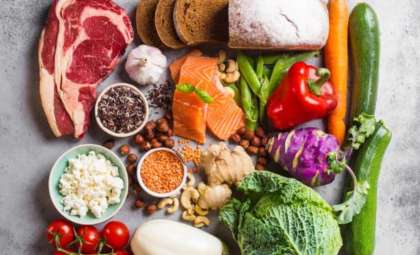
Home chefs can enhance flavor by using herbs and spices—such as garlic, oregano, basil, and rosemary—that do not contribute to sodium intake. Selecting lean proteins like fresh meats and fish, alongside whole foods such as vegetables, legumes, and unsalted nuts, also supports a lower-sodium, nutrient-rich diet.
For outings, those managing high blood pressure should check menu options beforehand. Currie advises opting for dishes that are baked, grilled, or steamed instead of fried, requesting sauces and dressings on the side, and steering clear of salty starters to keep sodium consumption at bay.
Following DASH and Mediterranean Diets to Promote Heart Well-being
Dietitians commonly suggest the DASH diet (Dietary Approaches to Stop Hypertension) or the Mediterranean diet for those seeking to manage hypertension. Both dietary patterns emphasize whole foods, including fruits, vegetables, lean proteins, and heart-healthy fats, while limiting sodium, saturated fats, and added sugars. They provide essential minerals like potassium, calcium, and magnesium, all key for balanced blood pressure.
The DASH diet is designed to reduce blood pressure by incorporating nutrient-dense foods that encourage cardiovascular health. The Mediterranean diet focuses on a heart-friendly combination of fruits, vegetables, whole grains, and olive oil rich in polyphenols with protective effects for the heart.
While diet is fundamental in managing hypertension, additional lifestyle habits such as engaging in regular exercise, avoiding tobacco use, handling stress effectively, and maintaining a healthy weight also contribute to lowering blood pressure. Furthermore, achieving 7 to 9 hours of sleep each night supports cardiovascular function.
If lifestyle and dietary adjustments alone aren’t enough, medication may be warranted. Collaborating with healthcare professionals to develop a tailored treatment plan is crucial for effective blood pressure management.












0 comments
Sign in to Comment