
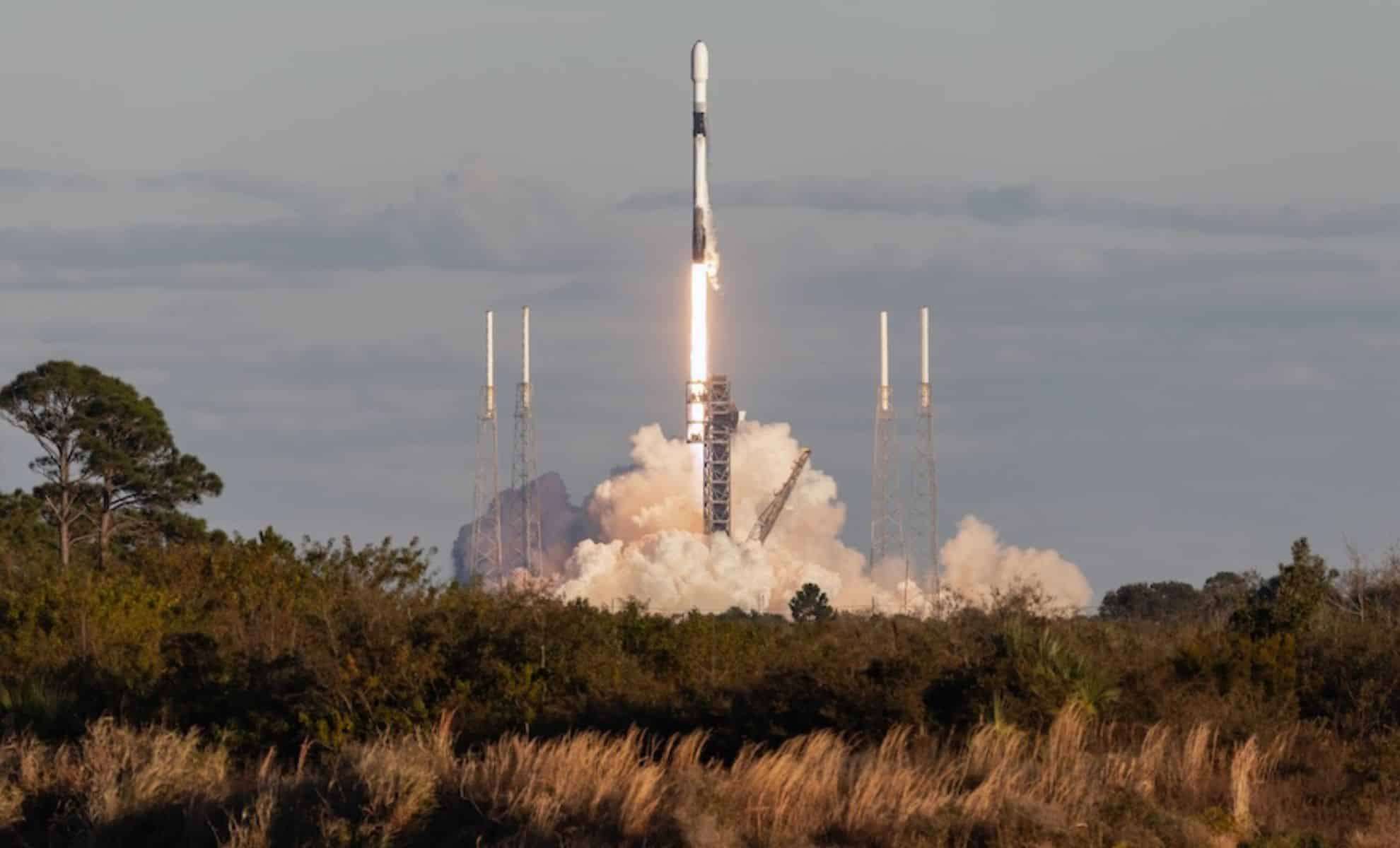
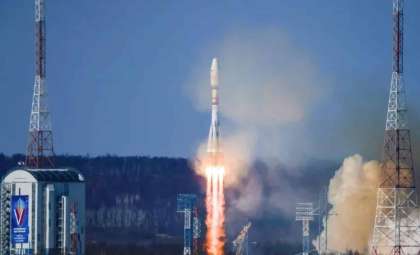
On Memorial Day, May 27, 2024, SpaceX will launch a Falcon 9 rocket deploying 23 Starlink satellites from Cape Canaveral Space Force Station.
The launch is planned for 10:20 a.m. EDT, sending the rocket on a southeast course. This mission supports SpaceX’s ongoing expansion of the Starlink network, which strives to deliver global internet service. The operation exemplifies SpaceX’s commitment to enhancing satellite internet coverage while advancing reusable rocket technology.
Launch Information and Flight Plan
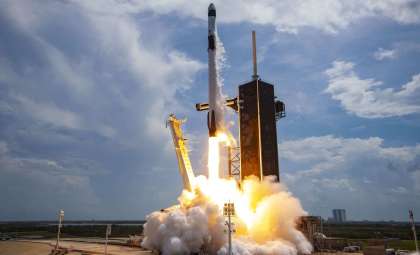
The Falcon 9 will lift off from Cape Canaveral’s Launch Complex 40, marking a key moment in SpaceX’s hectic launch agenda. About eight and a half minutes post-launch, the rocket’s first stage will attempt a landing on the autonomous droneship “A Shortfall of Gravitas” located in the Atlantic Ocean.

Targeting Monday, May 27 for a Falcon 9 launch of 23 @Starlink satellites to low-Earth orbit from Florida → https://t.co/bJFjLCiTbK
— SpaceX (@SpaceX) May 24, 2024
This precise booster recovery is vital to SpaceX’s strategy of reusing rocket components, which has drastically lowered spaceflight costs and transformed aerospace standards. Weather forecasts from the 45th Weather Squadron anticipate a 90-95% chance of favorable conditions, boosting hopes for a timely launch with minimal weather disruptions.
SpaceX’s reusable Falcon 9 stages have set a new industry benchmark by combining cost-effectiveness with environmental responsibility. Each successful booster recovery and reuse reduces expenses and enhances mission frequency. This operation will further exhibit SpaceX’s expertise in perfecting reusable rocket technology.
Mission Goals for Starlink Satellites
This flight aims to insert 23 Starlink satellites into low-Earth orbit, advancing the constellation designed to provide fast internet worldwide, especially in remote and underserved areas.
Expanding the Starlink network improves service quality and accessibility by lowering latency and increasing data speeds. These efforts align with SpaceX’s broader vision to close the global digital gap and offer dependable internet access in all regions.
Starlink has already significantly boosted connectivity in areas lacking infrastructure. As more satellites join the constellation, service capacity and reliability continue to grow.
This launch brings SpaceX closer to a comprehensive global broadband network that will offer affordable, high-speed internet, supporting education, healthcare, and economic growth in digitally isolated communities.
The Role of Falcon 9 Reusability
A highlight of this launch is showcasing the Falcon 9’s reusable design. Recovering and reusing rocket boosters is transformative for aerospace, reducing costs and encouraging sustainable exploration.
Landing the first stage on a droneship demonstrates SpaceX’s advanced technology and confirms reusable rockets as a cost-saving solution. This capability enables more frequent flights, accelerating satellite deployments and space research.
Reusability signifies a major change from traditional expendable rockets, which are used once and discarded. By reusing boosters, each mission’s cost decreases, making space access more sustainable. SpaceX’s dedication to this approach is influencing industry standards and motivating other aerospace companies.
Starlink’s Expanding Global Impact
Launching more Starlink satellites marks a vital advancement in worldwide telecommunications. SpaceX intends to broaden internet coverage globally, bringing high-speed service to regions historically underserved.
This growth will impact education, healthcare, and economic progress, particularly in isolated communities. As Starlink expands, it will play a key role in closing the digital divide and integrating more people into the digital economy.
Beyond connectivity, reliable internet provided by Starlink can transform societies by enabling access to online learning, telemedicine, and digital commerce.
In areas without traditional infrastructure, satellite internet offers a crucial link to the broader world. It also enhances communication during emergencies or natural disasters, improving response coordination and potentially saving lives and resources.
- Categories:
- Astronomy ,
- News ,
- Space ,
- Aircraft








0 comments
Sign in to Comment