
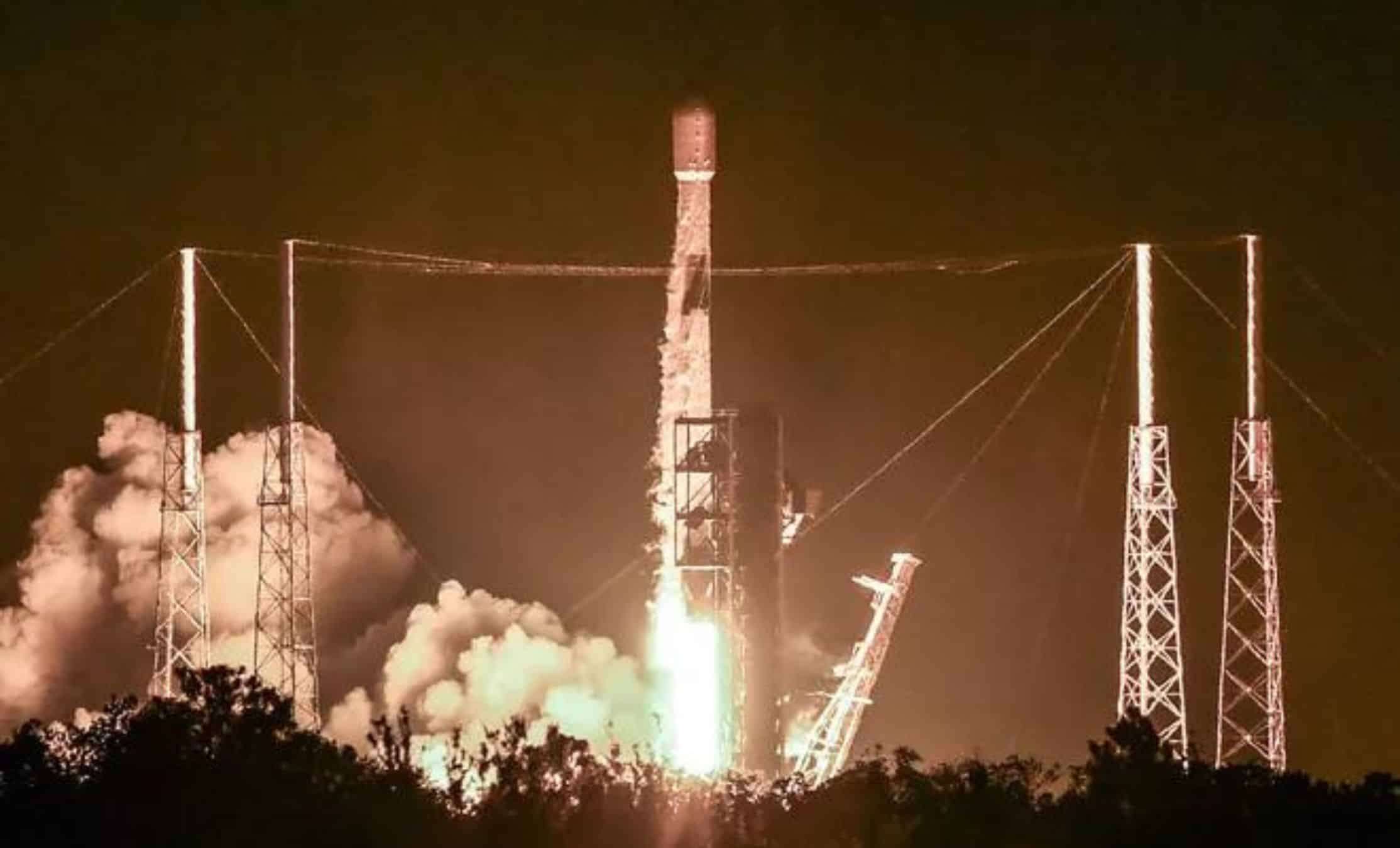
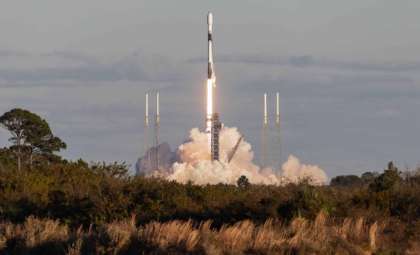
SpaceX has delayed the launch of 22 Starlink internet satellites, initially planned for June 12, now set for June 13 as adverse weather conditions interfered with the original schedule.
This flight, departing from Florida’s Cape Canaveral Space Force Station, supports SpaceX’s ongoing mission to grow its Starlink network, designed to deliver high-speed internet worldwide.
Updated Launch Timing and Details
The countdown is now targeting 4:46 p.m. EDT (2046 GMT) on June 13, with the Starlink satellites set to reach orbit aboard a Falcon 9 booster. Launch activities have a two-hour window extending until 6:40 p.m. EDT, allowing flexibility for any last-minute changes.

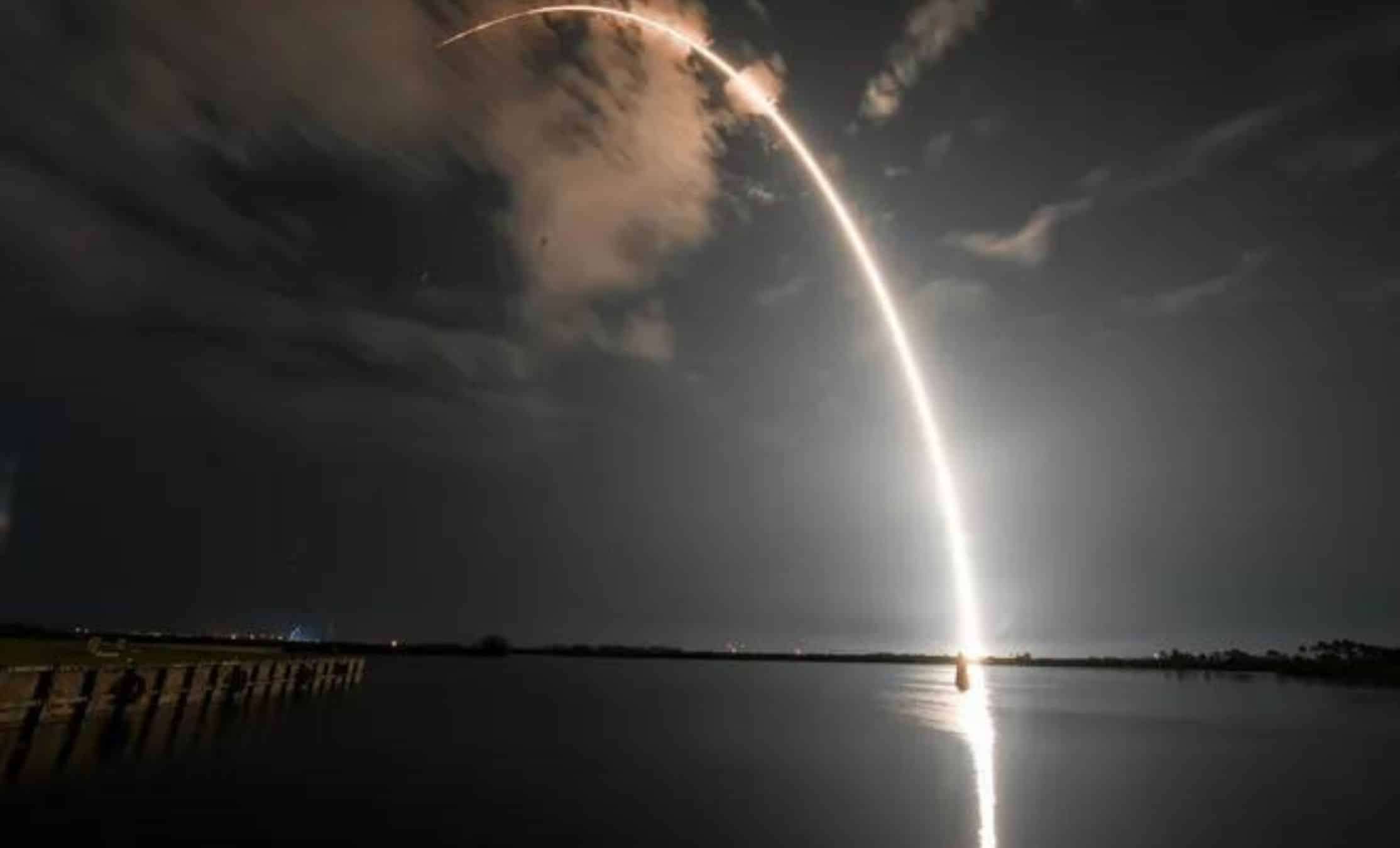
SpaceX will provide live launch coverage on its X (formerly Twitter) page starting roughly five minutes before liftoff. The postponement stems from forecasts predicting severe weather, resulting in a one-day delay to ensure safety.
Falcon 9 Booster Recovery Effort
An essential feature of this mission involves retrieving the first stage of the Falcon 9 rocket, scheduled to return about 8.5 minutes after launch. The booster is planned to touchdown on the droneship “Just Read the Instructions,” stationed in the Atlantic Ocean.
This particular first stage is marking its 16th flight and landing, showcasing SpaceX’s engineering focus on rocket reuse. Previously, it has completed 15 missions, with 10 dedicated specifically to deploying Starlink satellites, underlining its role in expanding the constellation.
Advancing Starlink's Global Internet Network
The mission’s main objective is to continue the rapid build-out of Starlink’s megaconstellation, currently close to 6,100 active satellites. Since launching, Starlink’s goal has remained providing high-speed connectivity to remote and underserved regions, and this launch is a key step toward that aim.
In 2024, SpaceX has conducted 60 orbital launches, with 43 focused on Starlink, maintaining an intense launch cadence averaging about one flight every 2.7 days, revealing the ambitious scale of the program.
Weather Factors and Launch Delay Explanation
The initial launch attempt on June 12 was scrapped due to unfavorable weather forecasts issued by the 45th Weather Squadron, which indicated a 95% probability of cloud cover and rainfall that would interrupt launch conditions. Risks from anvil clouds, cumulus clouds, and electric fields near the surface necessitated the delay. The Cape Canaveral region and wider Florida area experienced “very wet and unsettled” weather, making the postponement a prudent decision to safeguard success.
Florida Today's Rick Neale detailed the weather’s impact on the launch schedule, citing the 45th Weather Squadron’s alerts. Neale stated, “The 45th Weather Squadron had warned that anvil clouds, cumulus clouds, and surface electric fields could postpone today’s launch attempt as ‘very wet and unsettled weather conditions’ dominate the Cape and Florida at large.”
For ongoing updates on SpaceX launches and comprehensive space news, monitor reliable outlets and catch live streams on SpaceX’s official channels. Despite challenges posed by unpredictable weather, efforts to expand the Starlink network remain strong and on track.
- Categories:
- Astronomy ,
- News ,
- Space ,
- Aircraft








0 comments
Sign in to Comment