
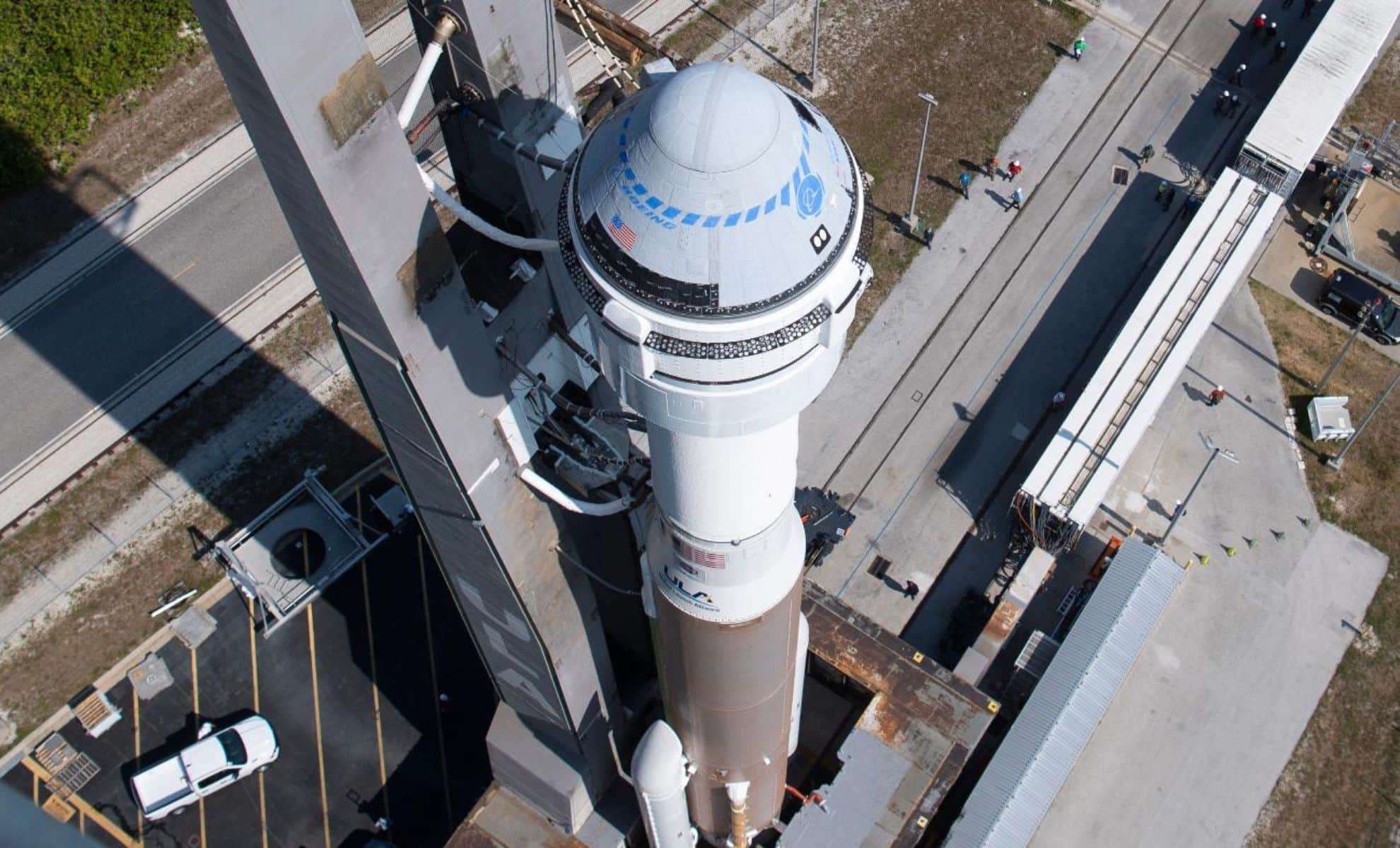
NASA, Boeing, and United Launch Alliance (ULA) have announced that the Starliner Crew Flight Test (CFT) will now launch on June 1, 2024.
This mission is a critical milestone for certifying Boeing’s Starliner spacecraft for routine astronaut transportation to the International Space Station (ISS). The flight will lift off atop an Atlas V rocket, following an earlier indefinite postponement.
Overview of Boeing’s Starliner Initiative
Part of NASA’s Commercial Crew Program, Boeing’s Starliner capsule is intended to deliver safe, dependable, and cost-efficient transport to and from the ISS. Along with SpaceX’s Dragon capsule, Starliner aims to reestablish U.S. capability to launch astronauts domestically, reducing reliance on Russian Soyuz vehicles. The upcoming Crew Flight Test is a fundamental step toward proving Starliner’s readiness for operational service.


Details of the Upcoming Crew Flight Test
The Starliner’s Crew Flight Test will transport NASA astronauts Butch Wilmore and Suni Williams to the ISS, aiming to verify spacecraft performance in space. This includes evaluating docking procedures, life support systems, and manual operation capabilities. The mission’s primary goal is to confirm Starliner satisfies all human spaceflight safety and technical standards.
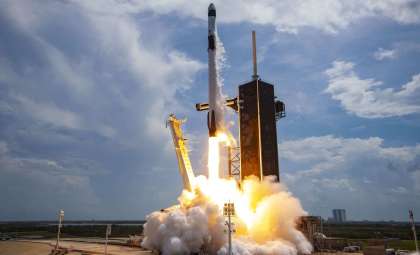
The flight will launch from Cape Canaveral Space Force Station aboard ULA’s Atlas V rocket. The rescheduled June 1 date addresses earlier setbacks caused by technical complications such as a helium leak in the spacecraft's service module, issues now resolved with engineers confident about readiness.
Addressing Technical Difficulties
Throughout its development, Starliner has encountered several hurdles. The most recent delay stemmed from a helium leak within the service module’s propulsion system. Since helium pressurizes the propulsion lines to ensure correct fuel delivery to thrusters, fixing this leak was crucial.
After detailed investigations, an erroneous valve in the Atlas V’s upper stage was replaced and further pressure testing was conducted on Starliner. These corrective actions have thoroughly addressed the problem, enabling preparations for a successful upcoming launch.
Significance of the Crew Flight Test
The upcoming Crew Flight Test represents a vital benchmark for both Boeing and NASA. A successful flight will confirm Starliner’s capability for routine crewed missions and bolster the resilience of the U.S. space transport network. Moreover, it will establish the spacecraft’s role in supporting ongoing ISS operations, facilitating international cooperation and scientific experiments in orbit.
This mission will validate automated docking performance, life support viability, and manual override functions astronauts may need in emergencies—key factors for the mission’s safety and reliability.
Looking Ahead
Following a successful test, Boeing’s Starliner will begin regular crew rotation missions to the ISS, with Starliner-1 planned for spring 2025. This operational mission will transport a full crew complement, supporting extended ISS scientific endeavors.
Integrating Starliner into the active spacecraft fleet will enhance NASA’s ability to sustain ISS missions and future human spaceflight endeavors by offering a dependable alternative for crew transport. The development insights gained from Starliner’s testing program will also help shape the future of spacecraft design and exploration strategies.
- Categories:
- Astronomy ,
- News ,
- Space ,
- Nasa ,
- Aircraft





0 comments
Sign in to Comment