
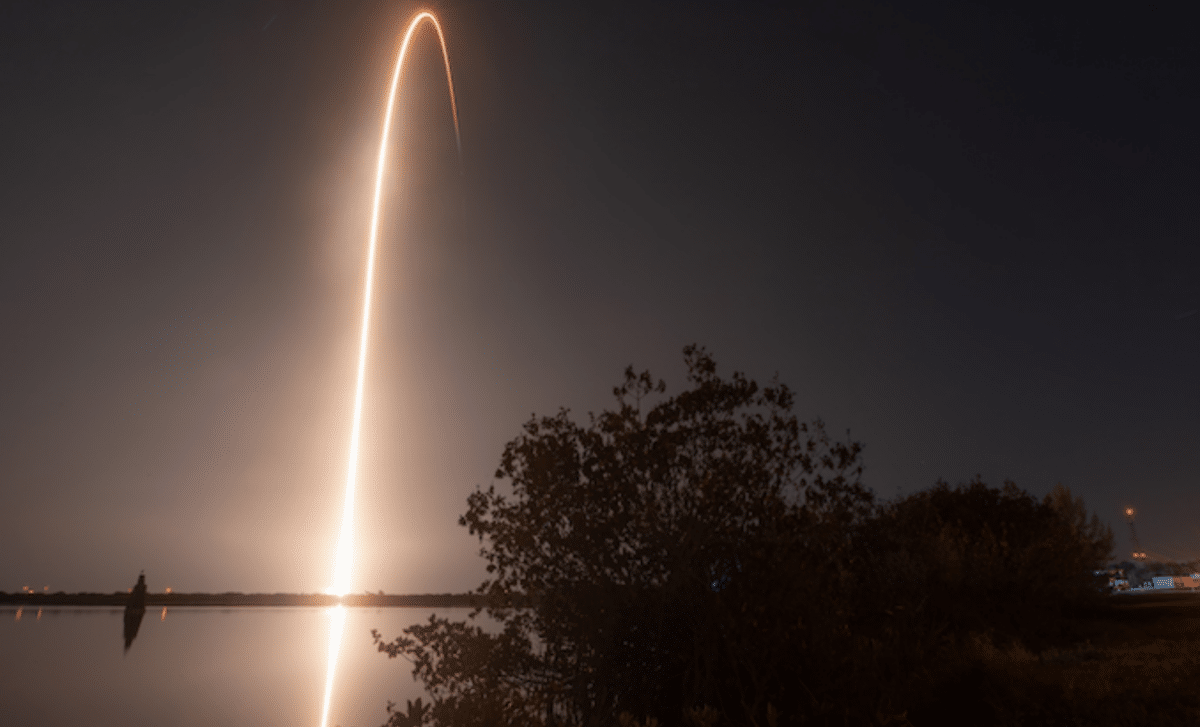
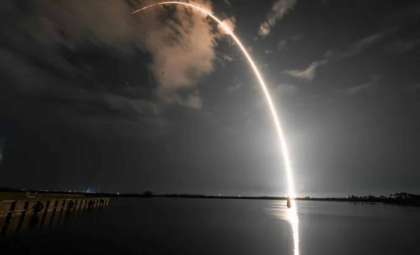
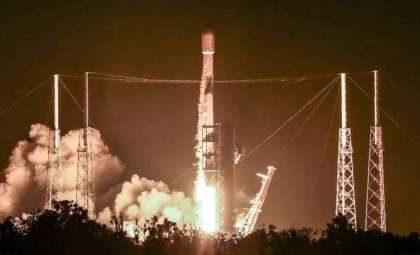
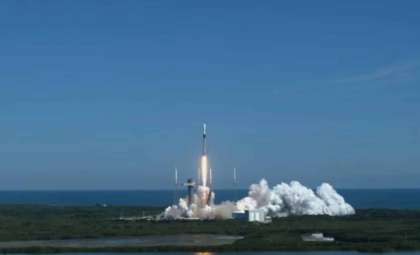
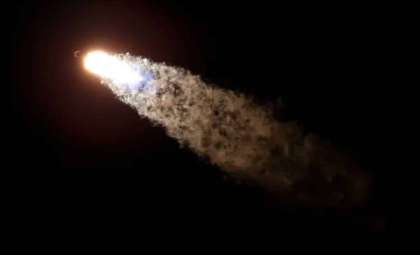
On February 25, 2026, SpaceX celebrated a remarkable accomplishment by deploying its 500th Starlink satellite within this year alone. This achievement came during the Starlink 17-26 mission, which successfully added 25 new satellites to the expanding Starlink network. As noted by Spaceflight Now, the launch took place at Vandenberg Space Force Base, advancing SpaceX’s goal of establishing a worldwide broadband internet presence.
Starlink’s Impact: Transforming Global Internet Access
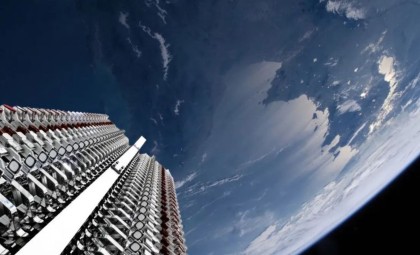
SpaceX’s Starlink initiative is reshaping internet availability on a global scale. Through the launch of thousands of satellites into low Earth orbit (LEO), the company aims to deliver broadband connectivity to remote and underserved areas. The 500th satellite launch in 2026 marks a significant milestone for SpaceX’s continuous effort to enhance worldwide internet coverage. Expanding the Starlink constellation will offer fast, dependable, and affordable internet access to more regions across the globe.
The satellite network is engineered to boost both connection speed and reliability for users across diverse locations. It is especially crucial for rural and developing areas where conventional internet infrastructure remains limited or nonexistent. This growth underscores SpaceX’s dual role as a space pioneer and a central figure in global communications, striving to make information accessible to everyone.

With the addition of 25 satellites in February 2026, SpaceX continues expanding Starlink, aiming to deploy nearly 10,000 satellites in orbit over the coming years. An increased number of satellites will help minimize service disruptions and enhance connection speeds. The ultimate ambition is to provide global coverage with a high-speed, low-latency internet network, potentially revolutionizing how users connect online.
Falcon 9: A Landmark in Reusable Rocket Engineering
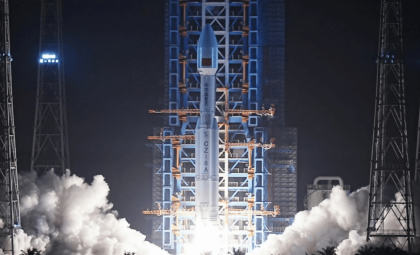
The Falcon 9 rocket responsible for launching the 500th Starlink satellite showcases SpaceX’s cutting-edge technological feats. According to Spaceflight Now, the mission employed the Falcon 9’s first-stage booster B1093, which has accomplished 11 flights, including eight prior Starlink missions. This remarkable reuse of rocket boosters distinguishes SpaceX from other aerospace entities and significantly cuts spaceflight expenses. Reusable components not only reduce costs but also contribute to more sustainable space exploration.
SpaceX’s advancements in rocket reusability have set new standards in spaceflight. With a record of 577 booster landings as of February 2026, SpaceX's technology has proven dependable. Following the launch of the Starlink 17-26 payload, the Falcon 9 booster successfully returned to the drone ship “Of Course I Still Love You” in the Pacific Ocean, clearly demonstrating the company’s routine execution of reliable space missions.
- Categories:
- Space



0 comments
Sign in to Comment