
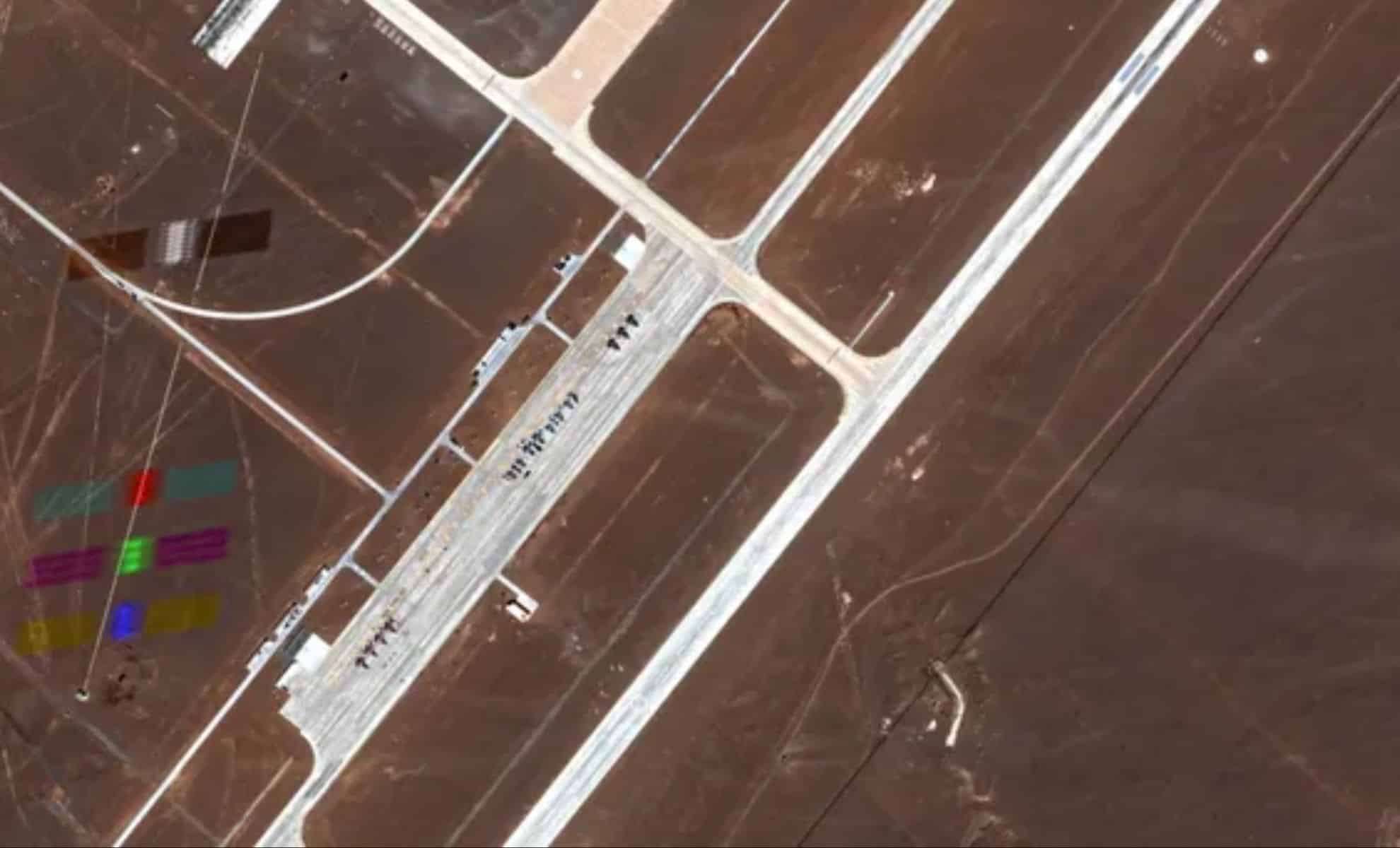
During a routine high-definition orbital shot, a SpaceX Starlink satellite unexpectedly moved across the frame featuring a classified Chinese military airfield. This incident highlights the complexities of modern Earth observation amidst a growing network of satellites, as detailed by Space.com. The snapshot underscores emerging challenges and possibilities within the increasingly congested orbital environment.
An Unplanned Satellite Transit Yields Unique Visual Data
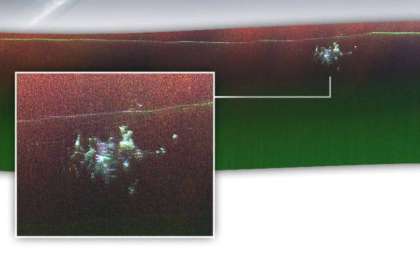
The photograph was taken using advanced remote sensing instruments and captures a Starlink satellite passing through the scene as sensors scanned the air base below. Imaging expert Hake described the moment: “Our system was combining high-resolution monochrome data with color imaging while the Starlink craft zipped by at orbital speed,” he explained. “The physics involved turned a technical challenge into a striking visual moment.”
This event emphasizes the rare nature of capturing fast-moving satellites during Earth observation. Traveling at approximately 1,400 meters per second, satellites race at speeds making such coincidental captures extremely uncommon. Hake noted, “It’s extraordinarily unusual to have another satellite cross our sensor’s view at the precise moment while our instruments were in operation. Given the immense scale of orbit and the speed involved, this was a remarkable happenstance.”

Increasing Orbital Crowding Drives New Operational Complexities
The unexpected presence of a Starlink satellite in this imagery reflects the broader reality of today's heavily populated orbital space. With satellite numbers expanding rapidly, challenges extend well beyond avoiding collisions, including overlapping functionalities between commercial and state actors that influence strategic planning.
In a LinkedIn post, Hake pointed out, “The concept of crowded space is no longer just about safety—it involves understanding how intertwined capabilities among various satellites introduce both advantages and complications in mission design.” He stressed that integrated space domain awareness is now essential, not optional, for successful satellite operations, reflecting the need for advanced coordination and predictive tools in this dense orbital ecosystem.
Technical Precision Meets Aesthetic Impact in Orbital Photography
Aside from operational insights, the Starlink satellite’s interruption highlights the blend of innovation and artistry in contemporary space imaging. Sophisticated sensors often integrate black & white and color data streams to enrich image detail. The chance crossing of the satellite in these images reveals how technical conditions can create visually captivating results, merging scientific achievement with unexpected creative appeal.
This moment showcases the intricate balance of rapid orbital dynamics, exact sensor synchronization, and complex data processing required to capture fleeting events in space. The image represents a harmonious synergy of technology, astrophysics, and data science, offering valuable visual insights alongside an unexpected glimpse of beauty in the cosmos.
- Categories:
- News






0 comments
Sign in to Comment