
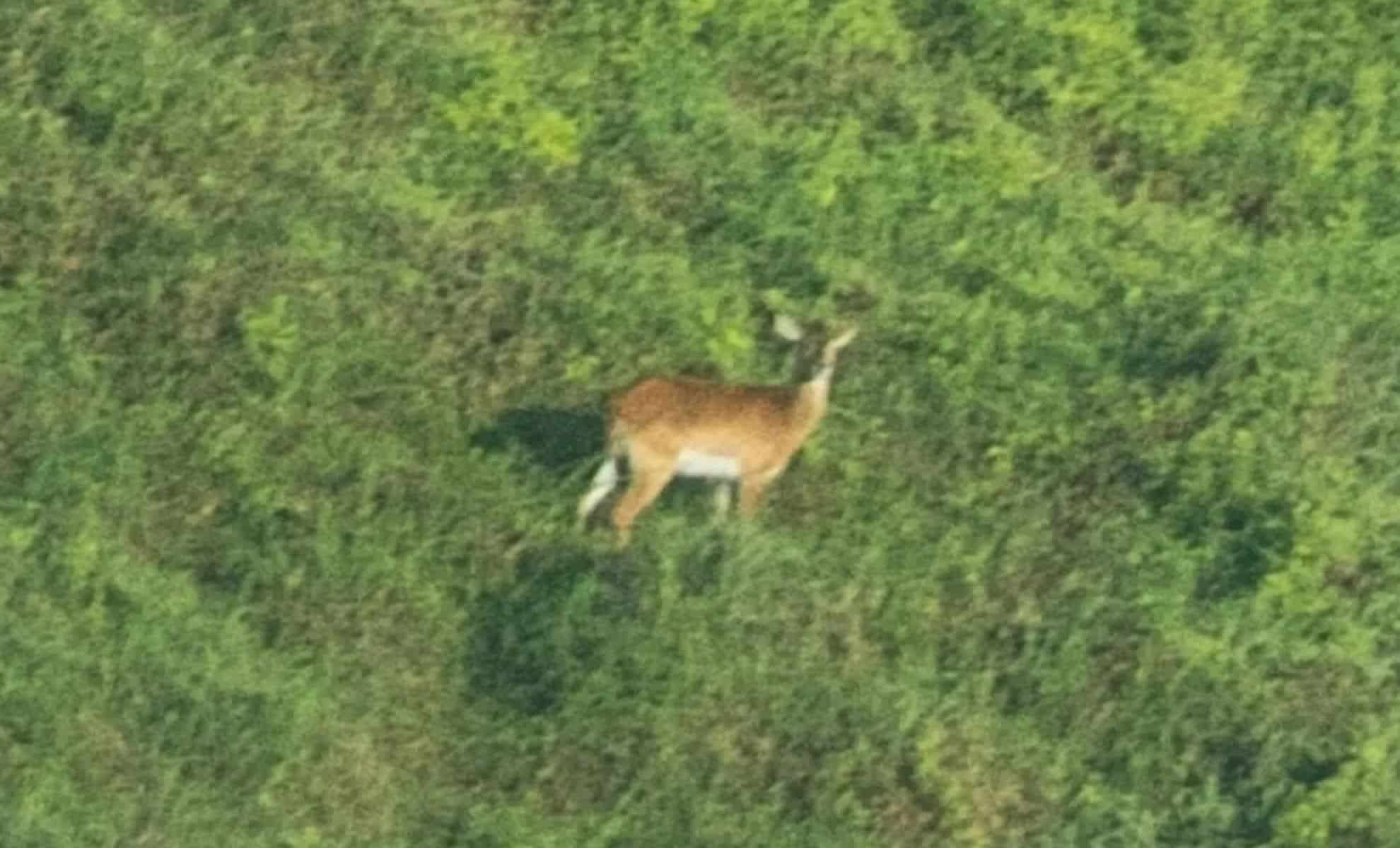
Deep within the isolated Kamalondo Depression of the southern Democratic Republic of Congo, an extraordinary encounter took place. Amid dense vegetation and challenging terrain, an elusive animal briefly appeared—offering a rare glimpse of a species on the verge of extinction. This moment marked the initial published photograph of the Upemba lechwe, a critically endangered antelope species rarely seen in the wild.
Unveiling the Mystery of the Upemba Lechwe
Until now, the Upemba lechwe has remained largely enigmatic to scientists and conservationists alike. Notoriously shy and difficult to spot, this antelope had evaded visual documentation for years. The remarkable photo was captured by Manuel Weber, a field researcher at Upemba National Park, during the second day of an aerial exploration. The animal froze just long enough—mere seconds—for Weber to snap a single frame before it disappeared into the wilderness.
This image represents a groundbreaking milestone as the first photographic evidence of a live Upemba lechwe since the species was initially identified in 2005. Previously, knowledge of this antelope stemmed solely from specimens in museum collections that were gathered decades ago, underscoring how little is known about many wildlife inhabitants of remote locales.

Dire Prospects for the Species’ Continuance
Recent findings from the first population survey in over half a century present a troubling outlook. Weber and colleagues published their results in the African Journal of Ecology, revealing only 10 individuals counted in the wild, a stark contrast to the IUCN’s earlier rough estimate of 600 to 1,000 mature animals. These new numbers imply that fewer than 100 Upemba lechwe may currently survive.
The dramatic population collapse is largely driven by illegal hunting, a persistent problem affecting the species for decades. In the 1970s, aerial surveys estimated a thriving population of approximately 20,000 lechwes in the Kamalondo Depression. However, uncontrolled poaching throughout subsequent decades, driven by meat demand in local markets, has severely decimated their numbers. Without immediate and effective protection efforts, extinction could occur in the near future.
A Critical Window to Save the Upemba Lechwe
Reflecting on the survey, Weber emphasized the urgency of the situation: “This species teeters on the edge. Its survival is exceptional so far, but it cannot persist without rapid intervention.” His team advocates for rapid conservation actions to curb poaching and safeguard the sensitive habitat that supports these antelopes.
Beyond its scientific importance, the photograph serves as an urgent appeal to conservation advocates worldwide. As Weber poignantly stated, “We hope this image ignites a global effort. This might be the last chance to preserve the Upemba lechwe.”
More than a rare photographic glimpse, this moment starkly highlights the vulnerability of wildlife facing human pressures. Whether it inspires a concerted effort to protect this vanished antelope population remains uncertain, but it undeniably shines a spotlight on an often-overlooked species in desperate need of help.
- Categories:
- News












0 comments
Sign in to Comment