
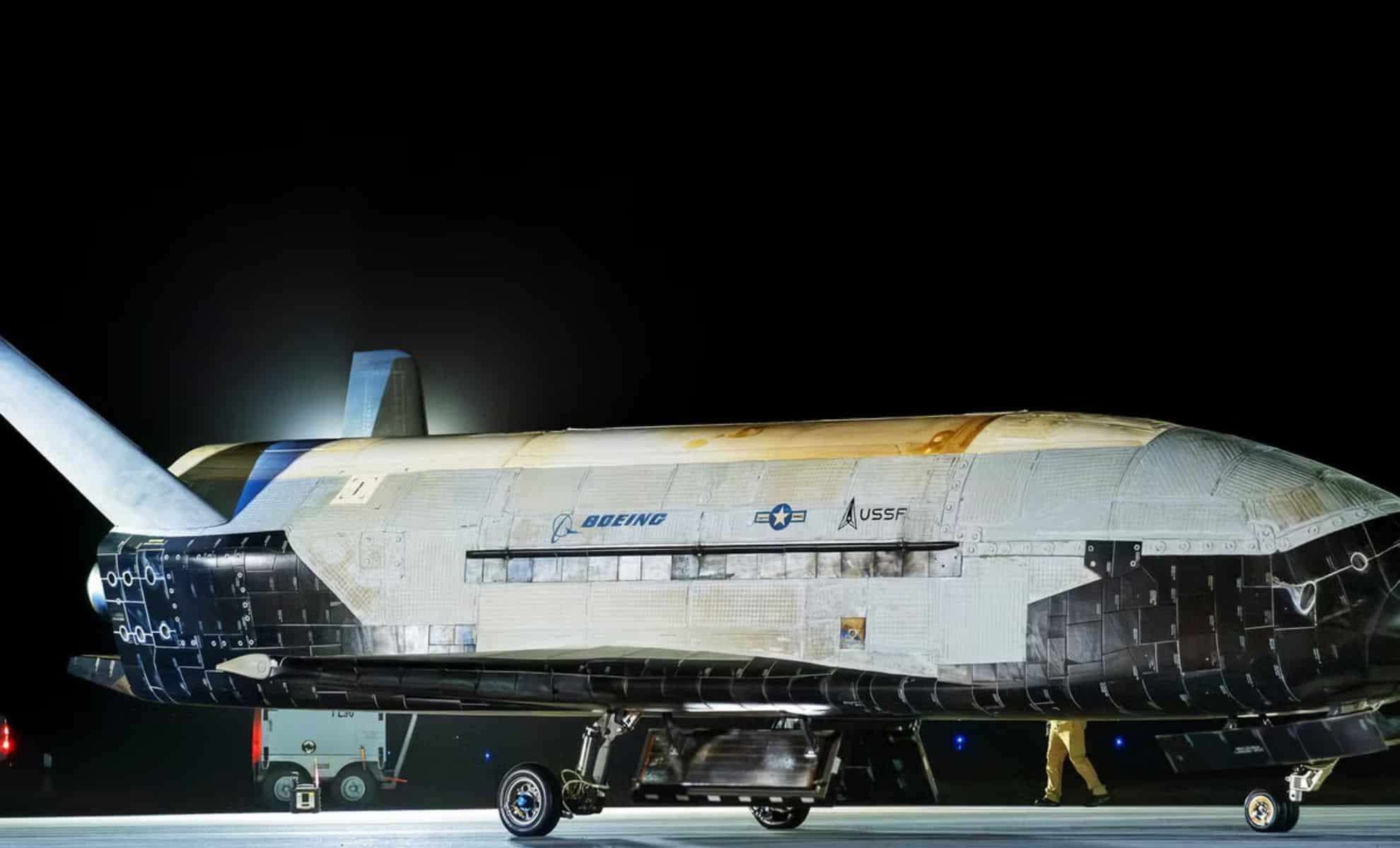
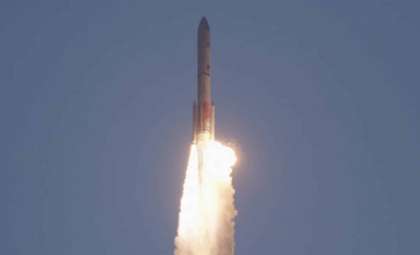
The U.S. Space Force’s X-37B spaceplane has wrapped up its seventh mission, spending over 14 months circling Earth and achieving important milestones in space technology. Known as Orbital Test Vehicle-7 (OTV-7), the craft made its return to Earth on March 7, 2025. Throughout the mission, which launched on December 28, 2023, aboard a SpaceX Falcon Heavy, the vehicle showcased sophisticated orbital maneuvers and conducted a variety of vital scientific and defense-related tests.
Innovations in Orbital Strategy
OTV-7 ventured into a highly elliptical Earth orbit (HEO), a previously underutilized trajectory for Space Force operations. This unique orbital path enabled the X-37B to carry out experiments unattainable in more common orbital routes. Beyond its extended duration, the mission demonstrated the spaceplane’s impressive capability to shift orbits discreetly, maneuvering without obvious propulsion exhaust, which increases tactical flexibility in space.
This mission marked the first time aerobraking—a method using atmospheric drag to alter orbit—was tested by the X-37B. As detailed in SpaceNews, aerobraking can help spacecraft adjust orbits efficiently by interacting with thin atmospheres like that of Mars, conserving fuel while performing crucial orbital shifts. This capability has clear benefits for military missions where stealth and fuel efficiency are paramount.

Maintaining awareness of the space domain was another critical focus, as the X-37B’s maneuvering demonstrated its role in surveillance and space situational awareness. Given the growing contest for dominance in orbit, having the ability to reposition quickly and silently is a strategic asset in national defense.
Emerging Technologies for Space Defense
Throughout this mission, the X-37B was used to test an array of emerging tools that could redefine military operations in space. It hosted multiple NASA experiments focused on innovations needed for long-duration missions to the Moon and Mars. Among the payloads were compact scientific instruments and advanced thermal control systems essential for extended extraterrestrial exploration.
Moreover, the mission highlighted the classified nature of the X-37B’s work, which supports both defense and scientific objectives. Its experiments are laying groundwork for future deep-space undertakings by combining military secrecy with research progression. Despite limited public information on its specific operations, the X-37B remains central to the Space Force’s blueprint for future space warfare and technological testing.
Strategic Importance of the X-37B’s Capabilities
The distinct value of the X-37B lies in its ability to execute highly secretive missions while performing intricate orbital maneuvers. Its technology enables it to modify its orbit stealthily, avoiding enemy detection and conducting reconnaissance undetected.
This mission underscores the growing necessity of orbital agility in defense strategies, equating space maneuverability to the importance of terrestrial military capabilities. It enhances prospects for safeguarding U.S. satellites, monitoring space debris, and countering threats beyond Earth. The X-37B’s endurance in orbit provides the U.S. military a sustained presence in space, strengthening its position in potential future conflicts.
Beyond military applications, the advanced orbital techniques demonstrated by the X-37B are propelling space exploration into a new phase where defense and civilian missions can work hand-in-hand toward expansive scientific and strategic objectives.
- Categories:
- News







0 comments
Sign in to Comment