
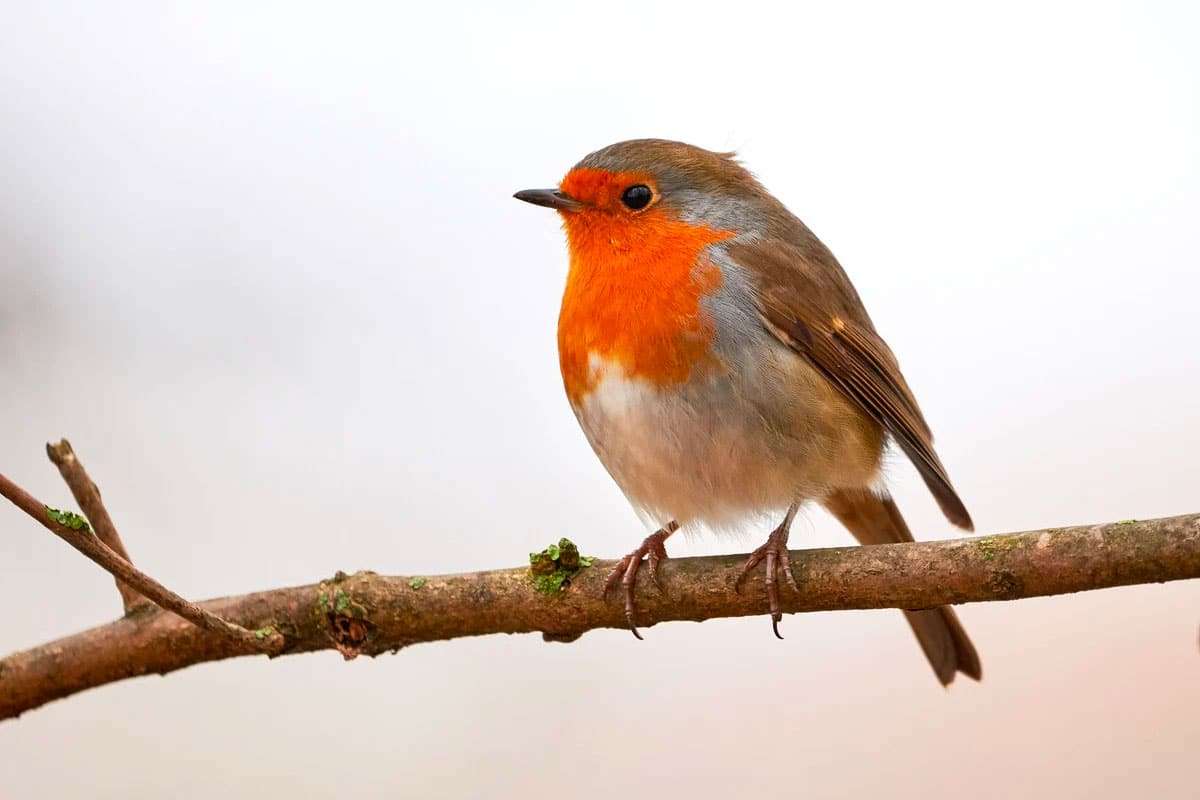
When temperatures drop sharply, birds face significant survival challenges. Unlike some creatures that hibernate, birds must endure harsh conditions throughout the year. Winter brings a trio of difficulties:
- Limited availability of food
- Scarcity of adequate shelter
- Frozen sources of drinking water
These factors place enormous stress on birds, as their high body temperature demands considerable energy, especially in freezing climates. Without sufficient nourishment and protection, many birds risk fatigue and potentially fatal consequences.
The shortage of insects, fruits, and berries during the cold months only intensifies their struggle. Birds often expend significant energy searching for food, sometimes with little success, creating a harmful cycle of energy loss and insufficient intake.

An Unexpected Aid: Using Ping Pong Balls to Keep Water Liquid
In the face of these hardships, a simple yet ingenious solution has gained attention: the ping pong ball. This lightweight, everyday object can help counter one of winter’s most dangerous challenges for birds—ice-covered water sources.
The League for the Protection of Birds (LPO) emphasizes an important concern: small water containers like bowls or saucers can freeze quickly during cold weather, depriving birds of vital hydration. As the LPO states, “Birds require water daily in both winter and summer for hydration and maintaining their feathers. Extended freezing periods therefore threaten their survival.”
By placing ping pong balls in birdbaths or water dishes, the constant subtle movement on the surface slows ice formation. This simple technique helps preserve liquid water for birds even under freezing conditions.
However, some guidelines should be followed to ensure safety:
Holistic Winter Care: Feeding and Shelter Tips
Providing access to unfrozen water is essential but only one aspect of helping birds through winter. A well-rounded approach to their wellbeing includes proper nutrition and protection.
Nutrition is critical during cold months. Foods high in vitamin D, common in autumn, can strengthen immunity, benefiting birds as well. To accommodate various species, consider placing feeding stations at different heights and offering a variety of high-energy foods such as:
- Mixed seeds
- Suet blocks
- Chopped fruit like apples and pears
- Unsalted peanuts
It's important to remove any netting from fat balls to avoid accidents. Similar to how certain fertilizers can enhance fruit growth, supplying nutritious food helps birds maintain strength during harsh weather.
Protective shelter is equally vital. Leafless trees leave birds exposed, so adding birdhouses or nesting boxes creates safe spots against wind and snow. Place these shelters in quiet garden corners to maximize protection.
The Positive Impact of Winter Bird Support
Assisting birds through winter not only boosts their chances of survival but also enlivens your outdoor space during the cold season. Offering food, water, and shelter attracts diverse bird species, turning your garden into a lively sanctuary.
This bird activity provides excellent opportunities for observation and photography, revealing behaviors you might miss at other times. You may even witness rare visitors during their seasonal migration.
Beyond enjoyment, supporting birds benefits local ecosystems as they contribute to pest control and seed distribution, helping maintain ecological balance even in urban settings. Just as cats possess remarkable memories, birds remember dependable food sources and frequently return, fostering an ongoing connection with your space.
While aiding birds, remain cautious about potential hazards. For example, pesticides banned in the EU but present in imported goods can endanger wildlife if applied to gardens. Choosing organic and safe alternatives ensures your efforts benefit, rather than harm, avian visitors.
As winter’s chill intensifies, remember that a simple ping pong ball paired with attentive care can significantly help birds endure the season. Your garden can transform into a vibrant refuge filled with grateful chirping and fluttering wings, thanks to your thoughtful support.
- Categories:
- Health
















0 comments
Sign in to Comment